Oversleeping after a late night can disrupt your day and impact your productivity. This comprehensive guide provides actionable strategies to reclaim control over your sleep schedule, regardless of your evening activities. By understanding the importance of consistency and implementing effective wake-up routines, you can avoid those dreaded extra hours in bed and start each day feeling refreshed and prepared.
The following sections delve into various aspects of sleep management, from establishing a consistent sleep schedule to optimizing your sleep environment and developing effective wake-up strategies. We’ll explore the science behind sleep, practical tips for managing late nights, and how to create a positive association with waking up on time.
Establishing a Consistent Sleep Schedule
A consistent sleep schedule is paramount for optimal health and well-being. It regulates the body’s natural sleep-wake cycle, also known as the circadian rhythm, leading to improved sleep quality and reduced instances of oversleeping. This rhythm plays a crucial role in various bodily functions, including hormone regulation, metabolism, and cognitive performance. By adhering to a regular schedule, individuals can better align their internal clock with the external world, minimizing the disruptions that can contribute to oversleeping.Establishing a predictable sleep-wake cycle helps the body anticipate sleep, making the transition smoother and more restorative.
This predictability fosters better sleep quality, leading to increased alertness and productivity during the day. A regular sleep schedule also allows the body to naturally prepare for sleep, reducing the time it takes to fall asleep and ensuring a more restful night.
Importance of a Regular Sleep Schedule
A consistent sleep schedule is essential for regulating the body’s natural sleep-wake cycle, which, in turn, is vital for physical and mental health. It allows the body to anticipate sleep, reducing the time it takes to fall asleep and ensuring a more restful sleep. This rhythm is closely tied to hormone regulation, impacting mood, energy levels, and cognitive function.
Maintaining a regular schedule contributes to better sleep quality, leading to improved alertness, concentration, and overall well-being.
Sample Sleep Schedule for a 9-5 Worker with Evening Commitments
This sample schedule is designed for someone working a typical 9-5 job and engaging in evening activities. Adjusting wake-up and bedtimes gradually is crucial, as sudden changes can disrupt the body’s natural rhythm.
- Wake-up Time: 6:00 AM
- Bedtime: 10:30 PM
- Morning Routine: Wake up, get ready, and have breakfast.
- Evening Routine: Wind down with relaxing activities, such as reading or light stretching, 1-2 hours before bedtime. This routine can include a warm bath or a relaxing cup of herbal tea.
- Weekends: Allow for a one-hour sleep difference between weekdays and weekends, but maintain a consistent sleep schedule as much as possible.
Adjusting to a New Sleep Schedule
If current sleep habits are significantly different from the desired schedule, gradual adjustments are recommended. Sudden changes can disrupt the circadian rhythm, leading to sleep disturbances and potential oversleeping. Implementing a new schedule in small increments will help the body adjust more easily and avoid adverse effects. For instance, shifting the bedtime by 15-30 minutes each day until reaching the desired time is a gradual approach.
Comparison of Consistent vs. Inconsistent Sleep Schedules
| Factor | Consistent Sleep Schedule | Inconsistent Sleep Schedule |
|---|---|---|
| Sleep Quality | Generally better; deeper, more restorative sleep. | Poorer sleep quality; shallower, more fragmented sleep. |
| Oversleeping Likelihood | Significantly lower; body is better prepared for wake-up time. | Higher; body’s internal clock is out of sync. |
| Mood and Energy Levels | More stable; better mood regulation, sustained energy throughout the day. | More fluctuations; potential for mood swings and decreased energy. |
| Cognitive Function | Improved focus, concentration, and memory. | Decreased focus, concentration, and memory. |
Optimizing the Sleep Environment
Creating a conducive sleep environment is crucial for achieving restful sleep and avoiding the pitfalls of oversleeping. A well-designed bedroom, optimized for darkness, quiet, and a comfortable temperature, significantly contributes to the quality of sleep and helps regulate the body’s natural sleep-wake cycle. By addressing these key elements, individuals can enhance their sleep experience and improve their overall well-being.A supportive sleep environment is more than just a place to rest; it’s a carefully curated space designed to promote deep, restorative sleep.
This involves thoughtful consideration of various factors, from the ambient temperature to the levels of light and noise.
Room Temperature
Maintaining an appropriate room temperature is vital for sleep quality. The ideal temperature range for most people falls between 60°F and 67°F (15.5°C and 19.4°C). A slightly cooler room often encourages deeper sleep. If your room tends to be warmer, consider using a fan or air conditioning to regulate the temperature, ensuring comfort and promoting relaxation.
Noise Levels
Unwanted noise can significantly disrupt sleep, making it difficult to fall asleep and stay asleep. Even seemingly minor sounds can interfere with the natural sleep cycle. To minimize noise disturbances, consider using earplugs, white noise machines, or sound-absorbing materials. Examples of white noise machines include those producing the sounds of rain, ocean waves, or nature.
Light Levels
Darkness is essential for regulating the body’s natural sleep-wake cycle. Exposure to light, particularly in the hours leading up to bedtime, can interfere with melatonin production, making it harder to fall asleep. Creating a completely dark environment is key. High-quality blackout curtains are an effective way to block out external light sources. Consider using an eye mask to further minimize light exposure.
Creating a Relaxing and Dark Sleep Environment
Creating a relaxing and dark sleep environment involves several key steps. Choose comfortable bedding, ensuring the mattress and pillows support your body properly. Use soft lighting in the bedroom, or avoid any bright lights in the evening. Maintain a consistent bedtime routine to signal to your body that it’s time to wind down. The consistency of this routine will also help your body establish a better sleep-wake cycle.
Dimmed lighting, soft music, and relaxing activities before bed can help promote a sense of calm.
Examples of Sleep Aids
| Sleep Aid | Potential Effects on Sleep Quality | Potential Risk of Oversleeping |
|---|---|---|
| Eye mask | Blocks out light, promoting melatonin production and easier sleep onset. | Low, as it doesn’t directly affect the body’s internal clock or promote prolonged sleep. |
| Ear plugs | Reduces external noise, improving sleep quality by minimizing disturbances. | Low, as it doesn’t directly affect the body’s internal clock or promote prolonged sleep. |
| White noise machine | Masks disruptive sounds, creating a calming and consistent background noise, improving sleep quality. | Low, as it doesn’t directly affect the body’s internal clock or promote prolonged sleep. |
| Melatonin supplements | May help regulate the sleep-wake cycle, promoting sleep onset. | Potential, if taken in excess, as it may affect the natural sleep-wake cycle, potentially leading to oversleeping. |
| Prescription sleep aids | May induce sleep quickly, but can lead to dependency and potential side effects. | High, as prolonged use may interfere with the natural sleep-wake cycle, increasing the risk of oversleeping. |
Managing Pre-Sleep Habits

Establishing a calming pre-sleep routine is crucial for improving sleep quality and reducing the likelihood of oversleeping. A well-structured routine signals to your body that it’s time to wind down, promoting relaxation and preparing you for a restful night’s sleep. This section focuses on strategies for creating a calming pre-sleep routine, highlighting activities that promote relaxation and avoiding those that might hinder sleep.Effective pre-sleep habits are essential for establishing a consistent sleep-wake cycle.
This consistency reduces the risk of disrupted sleep patterns, which can lead to oversleeping or difficulty falling asleep. A regular pre-sleep routine helps regulate your body’s natural sleep-wake cycle, making it easier to fall asleep and wake up feeling refreshed.
Creating a Calming Pre-Sleep Routine
A well-structured pre-sleep routine is vital for preparing your body for sleep. This routine should include activities that promote relaxation and signal to your body that it’s time to wind down. This process can involve a variety of activities, and the key is to find a routine that works best for you. Consistent routines help regulate your body’s natural sleep-wake cycle.
- Establishing a Consistent Bedtime: Going to bed and waking up around the same time each day, even on weekends, helps regulate your body’s natural sleep-wake cycle. This consistency can reduce the likelihood of oversleeping or experiencing sleep disturbances.
- Relaxing Activities: Engaging in relaxing activities before bed can signal to your body that it’s time to unwind. This might include reading a book, taking a warm bath, listening to calming music, or practicing gentle stretching.
- Minimizing Screen Time: The blue light emitted from electronic devices can interfere with your body’s production of melatonin, a hormone crucial for regulating sleep. Reducing screen time at least an hour before bed can significantly improve sleep quality.
- Avoiding Stimulants: Caffeine and alcohol can disrupt sleep patterns. Avoid consuming these substances close to bedtime to ensure a smoother transition into sleep.
Relaxing Pre-Sleep Activities
A range of activities can help promote relaxation and prepare you for sleep. Choosing activities that are personally enjoyable and conducive to relaxation is key to creating a positive pre-sleep routine.
- Reading: Engaging in quiet reading can help clear your mind of daily stressors and promote relaxation. Choose a book with a calming storyline to enhance the relaxation effect.
- Taking a Warm Bath or Shower: The warmth of a bath or shower can help relax your muscles and promote a sense of calm. Adding essential oils, such as lavender, can further enhance the relaxation experience.
- Listening to Calming Music or Nature Sounds: Soft music or nature sounds can create a peaceful atmosphere, reducing stress and promoting relaxation. The gentle sounds can help quiet the mind and prepare you for sleep.
- Gentle Stretching or Yoga: Gentle stretching or yoga poses can help relax your muscles and relieve tension. These activities can help promote relaxation and reduce physical discomfort, which can lead to better sleep.
Disruptive Pre-Sleep Activities
Certain activities can hinder sleep quality and increase the risk of oversleeping. Recognizing these activities and avoiding them close to bedtime can significantly improve your sleep patterns.
- Engaging in Intense Exercise: Vigorous exercise close to bedtime can raise your body temperature and increase alertness, making it more difficult to fall asleep. Scheduling exercise earlier in the day is generally recommended.
- Consuming Large Meals: Eating a large meal close to bedtime can disrupt your digestive system, causing discomfort and potentially affecting sleep quality. Ensure you eat a substantial meal several hours before bedtime.
- Working or Engaging in Stressful Activities: Allowing work or stressful tasks to spill over into your pre-sleep routine can increase anxiety and make it harder to relax and fall asleep. Try to disconnect from work or stressful situations before bedtime.
- Watching Stimulating Content: Watching action movies or engaging in other stimulating activities close to bedtime can keep your mind active and alert, making it harder to fall asleep. Opt for calming or relaxing activities instead.
Understanding and Addressing Underlying Causes

Oversleeping, while seemingly benign, can sometimes be a symptom of an underlying medical condition or sleep disorder. Identifying the root cause is crucial for effective management and improvement in overall well-being. This section will delve into potential medical conditions and sleep disorders, as well as how to recognize when oversleeping might signal a more significant issue.Understanding the factors contributing to oversleeping goes beyond simply adjusting sleep habits.
It requires a comprehensive approach that considers both lifestyle factors and potential medical conditions. Addressing the underlying cause is often the key to resolving the oversleeping issue and achieving better sleep quality and overall health.
Potential Medical Conditions and Sleep Disorders
Oversleeping can be a symptom of various medical conditions and sleep disorders. These conditions may disrupt the body’s natural sleep-wake cycle, leading to excessive daytime sleepiness and prolonged periods of sleep.
- Sleep Disorders: Sleep disorders, such as insomnia, sleep apnea, and narcolepsy, can manifest as excessive sleepiness. Insomnia, characterized by difficulty falling asleep or staying asleep, can sometimes lead to oversleeping as the body tries to compensate for insufficient restorative sleep. Sleep apnea, a disorder involving pauses in breathing during sleep, often results in fragmented sleep, which the body might attempt to compensate for by oversleeping.
Narcolepsy is a neurological disorder that causes excessive daytime sleepiness and uncontrollable episodes of falling asleep.
- Medical Conditions: Certain medical conditions, such as hypothyroidism, can disrupt the body’s hormone balance, affecting sleep patterns. Similarly, chronic pain conditions may lead to extended sleep periods as the body attempts to alleviate discomfort. Diabetes, kidney disease, and other chronic illnesses can also contribute to excessive sleepiness.
- Mental Health Conditions: Oversleeping can be a symptom of depression or anxiety. These mental health conditions can significantly impact sleep patterns, leading to excessive sleep as a coping mechanism or as a manifestation of the underlying condition.
Symptoms Suggesting an Underlying Sleep Disorder
Recognizing the symptoms associated with sleep disorders can be vital in seeking appropriate medical intervention. A variety of symptoms may indicate the presence of an underlying sleep disorder, prompting further evaluation.
- Excessive daytime sleepiness: Feeling excessively tired and sleepy during the day, even after a sufficient amount of sleep, could be a sign of a sleep disorder or other medical condition. This symptom should not be dismissed as a simple lifestyle issue.
- Difficulty concentrating: Problems concentrating or focusing on tasks, or experiencing mental fogginess, could indicate an underlying sleep disorder or medical condition impacting cognitive function. This is often overlooked, yet can significantly impact daily life.
- Irritability or mood swings: Sudden shifts in mood, such as irritability or emotional instability, can sometimes be a symptom of sleep disorders or underlying mental health conditions.
Identifying Oversleeping as a Symptom of a More Significant Issue
Sometimes, oversleeping isn’t just about a late night; it might signal a more significant underlying issue, like depression or anxiety.
- Persistent oversleeping: If oversleeping persists despite attempts to adjust sleep habits, it warrants further investigation. A pattern of oversleeping should prompt a conversation with a healthcare professional.
- Changes in appetite or energy levels: Noticeable changes in appetite or energy levels, in conjunction with oversleeping, could be indicative of a potential mental health concern. A healthcare professional can help in assessing the interplay of these factors.
- Difficulty waking up: If waking up feels particularly difficult, even after sufficient sleep, it could signal a sleep disorder or an underlying medical condition.
Resources for Seeking Professional Medical Help
If oversleeping persists despite lifestyle adjustments, seeking professional medical help is essential. Consulting with a healthcare professional can help determine the underlying cause and develop an appropriate treatment plan.
- Primary Care Physician: A primary care physician can perform an initial assessment and refer to specialists if necessary.
- Sleep Specialist: A sleep specialist can conduct specialized sleep studies to diagnose sleep disorders, such as sleep apnea.
- Mental Health Professional: A therapist or counselor can assess and address mental health conditions that may contribute to oversleeping.
- Online Resources: Various online resources, such as the National Sleep Foundation website, offer information and guidance regarding sleep disorders and related health concerns.
Developing Effective Wake-Up Strategies
A crucial component of overcoming oversleeping is establishing a robust wake-up routine. This involves more than just setting an alarm; it requires a strategic approach that considers the body’s natural rhythms and personal preferences. A well-designed wake-up strategy can significantly improve your ability to consistently and comfortably rise on time.Effective wake-up strategies extend beyond simply hitting the snooze button.
They encompass a series of deliberate actions that promote a smooth and positive transition from sleep to wakefulness, minimizing the jarring effects of an abrupt awakening. This approach fosters a more pleasant and productive start to the day, leading to a greater sense of control and well-being.
Setting Effective Alarm Clocks
Setting an alarm clock that effectively signals the time to wake up is paramount. A jarring alarm can disrupt sleep and contribute to grogginess. A gradual and gentle transition is preferred. Experiment with different alarm tones and volumes to find what works best for you.
Avoiding the Snooze Button
The snooze button is often a tempting but ultimately counterproductive habit. The short bursts of sleep it provides are often fragmented and shallow, leaving you feeling more tired and less refreshed. Instead of hitting the snooze, try setting the alarm for the time you truly need to wake up, and resist the urge to delay. Consider making a commitment to yourself to get out of bed immediately upon hearing the alarm to avoid this cycle.
Gradual Wake-Up Routine
A gradual wake-up routine helps ease the transition from sleep to wakefulness. This can include stretching, light exercises, or a few minutes of quiet meditation. Gradually increasing activity levels and light exposure will promote a more natural and comfortable awakening. Avoid immediately jumping into demanding tasks or stressful situations. The goal is to start your day in a calm and collected manner.
Types of Alarm Clocks
Various alarm clock types offer different advantages and disadvantages:
- Digital Alarm Clocks: These offer clear, easy-to-read displays, often with multiple alarm settings. The simplicity of the interface can be a benefit, though some digital alarm clocks can emit loud or jarring tones.
- Analog Alarm Clocks: Analog clocks offer a more calming aesthetic and can sometimes be less disruptive than digital alarms. However, reading the time might take slightly longer, which could be a disadvantage for those with a need for speed.
- Smart Alarm Clocks: These clocks incorporate technology to provide a more personalized experience. Some models use light and sound to simulate a natural sunrise, gradually increasing light and sound intensity to gently awaken the user. However, these devices may have higher initial costs.
Incorporating Natural Light
Natural light plays a crucial role in regulating the body’s sleep-wake cycle. Exposing yourself to natural light in the morning helps reset your internal clock and promotes alertness. Opening curtains or windows as soon as you wake up can be a valuable part of your wake-up routine.
Improving Morning Routine Efficiency

A well-structured morning routine can significantly impact your ability to avoid oversleeping. By incorporating efficient habits and pre-planning, you can set yourself up for a smoother and more productive start to the day. A carefully designed routine minimizes the temptation to hit the snooze button and increases the likelihood of a timely and successful wake-up.Efficient morning routines reduce the likelihood of oversleeping by streamlining the process.
Planning the morning the night before eliminates decision fatigue in the morning, reducing stress and promoting a more relaxed and productive start. This is crucial for individuals prone to oversleeping, as it provides a clear path to follow without the need for complex choices or last-minute decisions.
Planning the Night Before
Prior planning significantly reduces the chance of oversleeping. Taking a few minutes before bed to plan your morning routine can save valuable time and prevent potential delays. This proactive approach involves deciding what clothes to wear, what breakfast to prepare, and what tasks need to be completed before heading out. By eliminating decision-making from the morning rush, you can reduce stress and increase the likelihood of a timely and effective start to your day.
This is especially valuable for individuals who tend to oversleep due to poor time management in the mornings.
Quick and Healthy Breakfast Options
Preparing breakfast the night before or having readily available, healthy options can dramatically reduce morning stress and increase the likelihood of avoiding oversleeping. Time-saving breakfasts, such as overnight oats, pre-portioned fruit and yogurt, or a smoothie that can be blended in the morning, can be prepared ahead of time. These options require minimal preparation time in the morning, ensuring you can eat a healthy breakfast while avoiding a rushed morning.
Furthermore, these choices support healthy eating habits, enhancing overall well-being.
Example Breakfast Options
- Overnight Oats: Combine rolled oats, milk (dairy or non-dairy), chia seeds, and your favorite toppings (fruit, nuts, honey) in a jar the night before. In the morning, simply grab and go.
- Breakfast Smoothie: Combine frozen fruit, yogurt, protein powder, and liquid (milk or water) in a blender the night before. Store in a sealed container in the refrigerator. In the morning, blend and enjoy.
- Pre-cut fruit and yogurt parfaits: Layer yogurt, granola, and fruit in individual containers the night before. This makes for a quick and healthy breakfast in the morning.
Morning Routine Efficiency Table
| Morning Routine | Potential Impact on Oversleeping | Explanation |
|---|---|---|
| Complex, Multi-Step Routine | High | Multiple steps increase the chance of delays and potential for oversleeping due to rushed decision-making. |
| Simple, Pre-Planned Routine | Low | A routine with clear steps, prepared the night before, minimizes morning decision-making and delays. |
| Routine with Time-Saving Breakfast Options | Low | Using pre-made or quick breakfast options reduces morning stress and increases the likelihood of a timely departure. |
Creating a Positive Association with Waking Up
Cultivating a positive association with waking up can significantly impact your motivation and overall well-being. This involves shifting your perspective from viewing waking up as a dreaded task to experiencing it as a prelude to a potentially rewarding day. By strategically associating waking with positive experiences, you can enhance your ability to rise on time and engage with your day with greater enthusiasm.Establishing a positive connection with waking up requires intentional effort.
This involves more than simply setting an alarm; it’s about actively programming your mind to anticipate and appreciate the start of a new day. By incorporating positive routines and activities, you can transform the experience of waking up from a stressful event into a joyful one.
Strategies for Positive Association
Creating a positive association with waking up hinges on transforming the experience from a negative one to a positive one. This is achievable by associating waking with positive feelings and experiences.
- Rewarding Yourself: A small, enjoyable reward upon waking can set a positive tone for the entire day. This could be a delicious cup of coffee, a few minutes of meditation, listening to inspiring music, or engaging in a hobby you enjoy. The reward should be something you genuinely look forward to, and it should be achievable without excessive effort, ensuring consistency.
The reward doesn’t need to be elaborate; the key is the positive association you create.
- Prioritizing Enjoyable Activities: Schedule enjoyable activities early in the morning. This could be a quick workout, reading a chapter of a book, or simply spending a few minutes reflecting on a personal goal. By scheduling these activities for the early hours, you create an anticipation for a positive experience, thereby associating waking up with something you enjoy.
- Positive Affirmations: Start your day with positive affirmations. These affirmations can be personal statements that reinforce positive thoughts and beliefs. These short, empowering statements can shift your mindset towards optimism and positivity. Examples include, “I am capable of achieving my goals,” or “I am grateful for the opportunities I have.” Consistency is key in achieving positive results.
- Visualizing Success: Visualizing a successful day can create positive expectations. Take a few moments before getting out of bed to envision the positive outcomes of the day ahead. Visualizing a productive work day or a happy family time can set a positive tone for the day.
Setting Realistic Goals and Expectations
A critical aspect of associating waking up with positivity is setting realistic goals and expectations. Unrealistic expectations can lead to disappointment and frustration, negating the positive association you’re trying to build. Clearly defining achievable goals for the day and understanding the limitations can greatly improve your experience with waking up.
- Realistic Goals: Avoid overwhelming yourself with overly ambitious goals. Break down larger tasks into smaller, manageable steps. This approach allows for a greater sense of accomplishment and reinforces the positive feeling of achieving something.
- Flexibility: Be prepared for unexpected circumstances or changes in plans. A flexible approach allows for adjustments and maintains a positive attitude even when things don’t go exactly as planned. Accept that things don’t always go according to schedule and that setbacks are part of the process.
- Focus on Progress, Not Perfection: Prioritize progress over perfection. Concentrate on making steady improvements rather than striving for unrealistic standards. Every step forward is a victory, regardless of the scale. Recognize that progress, not perfection, is the ultimate measure of success.
Examples of Rewarding Activities
To enhance the positive association with waking up, choose activities that bring you joy and fulfillment. These activities can be simple or complex, depending on your personal preferences.
- Exercise: A brisk walk, yoga, or a light workout can energize you and set a positive tone for the day.
- Creative Pursuits: Engage in a hobby like painting, writing, or playing music.
- Connecting with Loved Ones: Spend time with family or friends, or simply have a meaningful conversation with someone you care about.
- Mindfulness Practices: Meditation or deep breathing exercises can help you center yourself and cultivate a positive mindset.
Dealing with Unexpected Late Nights
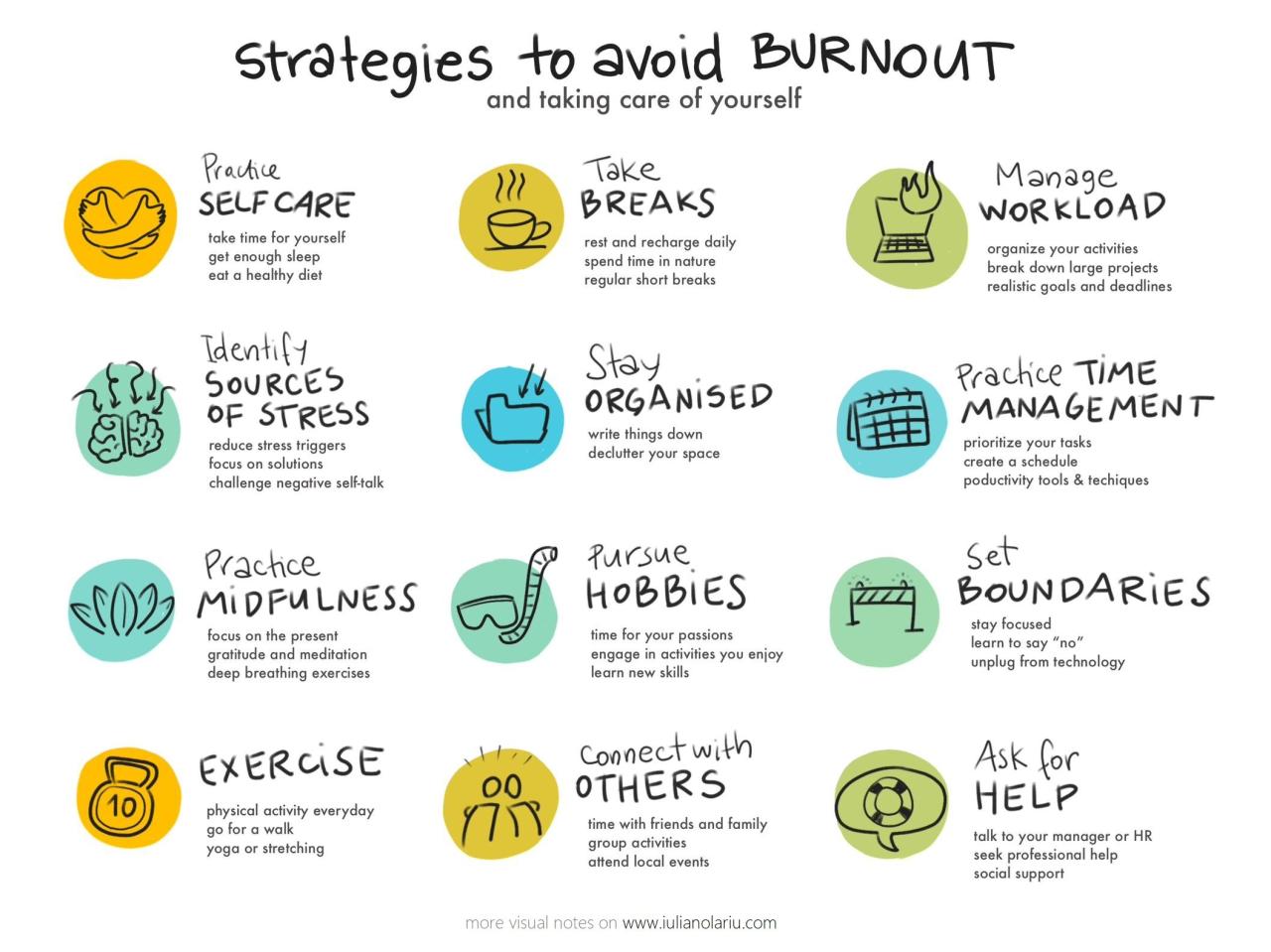
Unexpected late nights are inevitable parts of life, whether due to work commitments, social events, or unforeseen circumstances. Successfully navigating these situations requires a flexible approach to maintaining a healthy sleep schedule. Adaptability and proactive strategies are key to minimizing the negative impact on future sleep.Adapting to unexpected late nights involves understanding that occasional disruptions are not detrimental to long-term sleep health, provided you actively work to re-establish a consistent sleep schedule.
Strategies for adjustment should focus on recognizing the need for a consistent sleep schedule as a foundation for overall well-being.
Strategies for Adjusting Sleep Schedules
Maintaining a consistent sleep schedule is crucial for optimal physical and mental health. A consistent sleep schedule regulates the body’s natural circadian rhythm, leading to improved sleep quality and efficiency. However, unexpected late nights require adjustments without completely abandoning this crucial foundation.
- Prioritize sleep as soon as possible after the late night. Even if you can’t achieve the full amount of sleep you usually get, aiming for at least a few hours of rest is crucial for minimizing the impact of the late night on your body and mind. This helps to recover from the disruption to the sleep schedule.
- Adjust the sleep schedule for the following days to gradually compensate for the lost sleep. This involves strategically shifting bedtime and wake-up times forward or backward by a reasonable amount, ensuring a gradual return to the normal schedule. For example, if you had a late night on Monday, you might move your bedtime 15-30 minutes later on Tuesday and Wednesday to compensate.
Consistency in this adjustment is key.
- Make up for lost sleep on subsequent days, if possible. If the late night significantly impacted sleep, aim for a longer sleep duration on subsequent days to catch up on lost sleep. This will help you to restore the balance in your sleep schedule.
Importance of Maintaining a Consistent Sleep Schedule
Even after an unexpected late night, maintaining a consistent sleep schedule as much as possible is essential for optimal health and well-being. A consistent sleep schedule regulates the body’s natural sleep-wake cycle, improving sleep quality and overall health. The body benefits from predictable sleep and wake times, and this consistency allows the body’s natural rhythm to adjust more easily to late nights.
- Consistency in sleep schedule aids in regulating the body’s natural circadian rhythm, promoting healthy sleep-wake cycles. This consistency helps to maintain a regular sleep schedule, allowing the body to adapt more easily to unexpected events.
- Consistency improves sleep quality. A predictable sleep schedule promotes deeper, more restorative sleep. This is because the body anticipates sleep at a specific time, leading to a smoother transition into sleep.
- Consistency contributes to better mood and energy levels. A regular sleep schedule regulates hormone production, leading to improved mood regulation and energy levels. A consistent sleep schedule helps regulate hormone levels and promotes emotional stability.
Managing Stress and Anxiety
Stress and anxiety can significantly impact the ability to adjust to late nights. These feelings can interfere with sleep quality and make it more challenging to get back on track with a consistent sleep schedule. Effective stress management techniques can mitigate these negative effects.
- Employ relaxation techniques before bed to reduce stress and anxiety. Techniques such as deep breathing exercises, progressive muscle relaxation, or mindfulness meditation can help calm the mind and promote a more peaceful sleep environment.
- Establish healthy coping mechanisms for stress and anxiety. Identifying stressors and developing healthy coping mechanisms, such as exercise, spending time in nature, or engaging in hobbies, can effectively manage these feelings.
- Seek professional help if stress or anxiety becomes overwhelming. If stress or anxiety interferes significantly with daily life, including sleep, seeking support from a therapist or counselor can provide valuable guidance and strategies for managing these feelings effectively.
Closing Summary

In conclusion, mastering the art of avoiding oversleeping after a late night requires a multifaceted approach. By implementing consistent sleep schedules, optimizing your sleep environment, and developing positive wake-up strategies, you can effectively manage your sleep-wake cycle. Remember, consistency is key. Even with unexpected late nights, maintaining a consistent routine will significantly reduce the risk of oversleeping.
By incorporating the strategies Artikeld in this guide, you can reclaim control over your sleep and set yourself up for success every day.