Achieving restful sleep naturally is a journey of understanding your body’s needs. This comprehensive guide explores various strategies, from crafting a relaxing bedtime routine to optimizing your sleep environment, to help you unlock the secrets to a good night’s sleep.
This guide dives into the multifaceted aspects of sleep improvement. We will delve into the effects of diet, exercise, stress management, and sleep hygiene practices, equipping you with actionable steps to cultivate a healthy sleep cycle. Discover the power of natural remedies and understand how to address potential sleep disorders.
Creating a Relaxing Bedtime Routine
Establishing a consistent bedtime routine is crucial for improving sleep quality. A structured routine signals to your body that it’s time to wind down, reducing stress and promoting a more restful night’s sleep. This predictable sequence of activities helps regulate your circadian rhythm, facilitating a smoother transition from wakefulness to sleep.A 30-minute bedtime routine is an ideal length, allowing sufficient time for relaxation without feeling rushed or overly extended.
This routine should incorporate activities that specifically target calming your mind and body, reducing the stimulation that can interfere with sleep onset. By consistently following these steps, you can establish a positive association between these activities and sleep, further strengthening your body’s natural sleep-wake cycle.
Designing a 30-Minute Bedtime Routine
A well-designed bedtime routine includes a sequence of activities that progressively reduce stimulation and promote relaxation. This allows your body and mind to transition gradually into a sleep-conducive state. Begin with a gentle activity, like reading or listening to calming music, then gradually incorporate more relaxing techniques.
- 6:00 PM – 6:15 PM: Light Activity & Meal Preparation: This initial phase involves engaging in gentle activities like light stretching, taking a warm bath, or preparing a light meal. Avoid activities that are too stimulating, such as intense exercise or engaging in heated discussions. These actions help transition your body into a relaxed state. A light meal or snack can aid in digestion, preventing indigestion and discomfort that could disturb sleep.
- 6:15 PM – 6:30 PM: Mindfulness & Relaxation Techniques: This phase focuses on calming the mind and body through various relaxation techniques. Activities like deep breathing, progressive muscle relaxation, or guided imagery can effectively reduce stress and promote a sense of calm.
- 6:30 PM – 6:45 PM: Reading or Light Entertainment: Engaging in calming activities, like reading a book or listening to soothing music, can help to further reduce mental stimulation. Avoid engaging in activities that are too stimulating, like watching an exciting movie or playing a video game. These actions can keep the mind active and hinder the transition to sleep.
- 6:45 PM – 7:00 PM: Prepare for Sleep: This final phase involves preparing for sleep by turning off electronic devices, dimming the lights, and getting into bed. This helps signal to your body that it’s time for sleep, facilitating the transition to sleep. A cool bedroom temperature and comfortable bedding further promote sleep quality.
Relaxation Techniques for Improved Sleep
Numerous relaxation techniques can help enhance sleep quality. By incorporating these techniques into your bedtime routine, you can effectively reduce stress, calm your mind, and prepare your body for sleep. Different techniques cater to different preferences, and a combination of approaches can often yield the best results.
- Deep Breathing Exercises: Deep breathing exercises can effectively calm the nervous system. Slow, deep breaths can help lower heart rate and blood pressure, promoting relaxation. These exercises can be easily incorporated into your bedtime routine, promoting a sense of calm before sleep.
- Progressive Muscle Relaxation: This technique involves systematically tensing and relaxing different muscle groups in the body. This process can release physical tension, reduce anxiety, and promote relaxation. This technique helps reduce physical stress, enabling a more peaceful transition to sleep.
- Guided Imagery: Guided imagery involves visualizing calming scenes or experiences. This can distract the mind from racing thoughts and promote a sense of peace and tranquility. Guided imagery can be particularly beneficial for individuals who struggle with racing thoughts before bed.
Effectiveness of Relaxation Techniques
The effectiveness of various relaxation techniques for sleep improvement can vary depending on individual responses and preferences. The following table compares the effectiveness of different techniques:
| Technique | Description | Benefits | Drawbacks |
|---|---|---|---|
| Deep Breathing | Slow, deep breaths to calm the nervous system | Reduces heart rate, blood pressure, promotes relaxation | May not be sufficient for severe stress or anxiety |
| Progressive Muscle Relaxation | Systematically tensing and relaxing muscle groups | Reduces physical tension, anxiety | Can be time-consuming for beginners |
| Guided Imagery | Visualizing calming scenes or experiences | Distracts from racing thoughts, promotes tranquility | Requires practice to develop effective visualizations |
Optimizing Your Sleep Environment
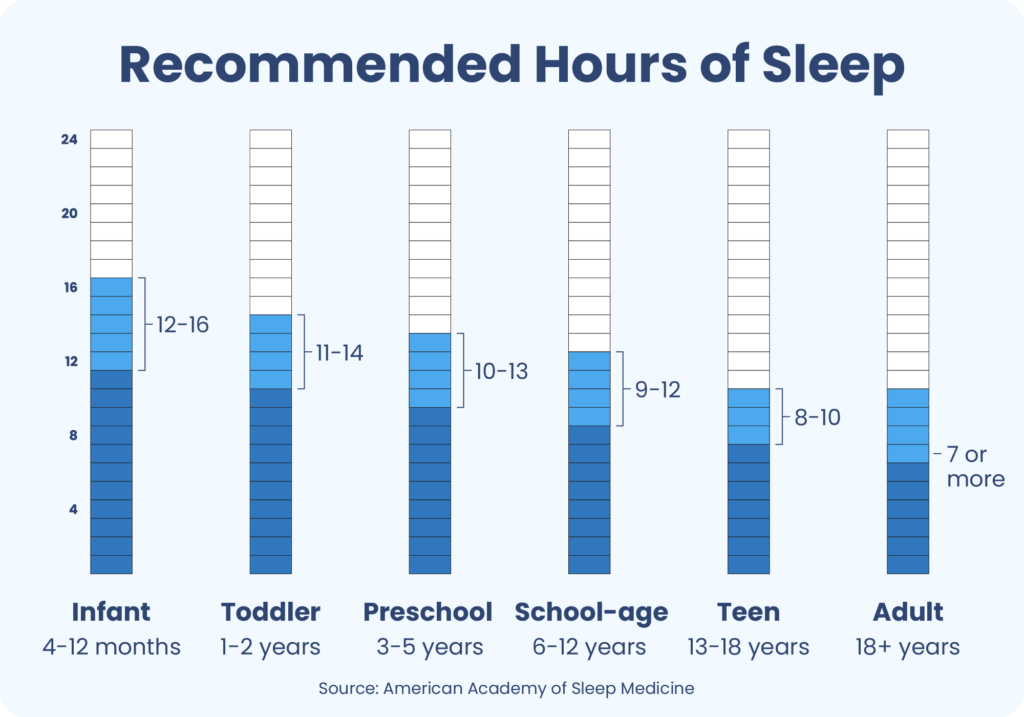
Creating a sleep-conducive environment is crucial for achieving quality rest. A comfortable and supportive sleep space can significantly impact your ability to fall asleep and stay asleep throughout the night. By addressing factors like temperature, lighting, and noise, you can cultivate a haven for restful slumber.A well-optimized sleep environment contributes to better sleep quality and overall well-being. This includes promoting deeper sleep stages, reducing sleep disturbances, and ultimately leading to improved cognitive function and physical health.
Room Temperature Impact on Sleep
Maintaining a suitable room temperature is vital for sleep. Studies show that a slightly cool room (around 65°F or 18°C) is often ideal for promoting deep sleep. Extreme temperatures, whether too hot or too cold, can disrupt sleep cycles and lead to discomfort. Adjusting the thermostat or using additional blankets or cooling devices can help regulate the room temperature to a comfortable level for optimal sleep.
Lighting and Sleep
Darkness is essential for regulating the body’s natural sleep-wake cycle. Exposure to light, especially blue light emitted from electronic devices, can suppress the production of melatonin, a hormone crucial for sleep initiation. Minimizing light exposure before bed can significantly improve sleep quality.
Noise and Sleep
Noise can be a major disruptor of sleep. Even subtle sounds can interfere with sleep, making it difficult to fall asleep and stay asleep. Identifying and addressing noise sources is key to improving sleep quality. This includes using earplugs, white noise machines, or soundproof curtains to create a quiet sleep environment.
Tips for Creating a Sleep-Conducive Environment
Creating a sleep-conducive environment involves several key considerations. Following these tips can significantly enhance sleep quality and improve overall well-being.
- Bedroom Optimization: Keep your bedroom dedicated to sleep and relaxation. Avoid using it for work or other activities that can stimulate your mind. Ensure the room is well-ventilated and clutter-free, promoting a calming atmosphere.
- Guest Room Adaptation: If you’re sleeping in a guest room, use blackout curtains or an eye mask to block out light. Consider using earplugs or a white noise machine to minimize noise disturbances. A comfortable mattress and pillows are also essential for a good night’s sleep.
- Light Control Strategies: Employ blackout curtains, shades, or an eye mask to eliminate ambient light. Consider using a dimmer switch or lamp with adjustable brightness settings to gradually reduce light exposure before bed. Keep electronic devices out of the bedroom to minimize blue light exposure.
- Noise Reduction Techniques: Utilize earplugs or a white noise machine to mask disruptive sounds. Consider soundproof curtains or rugs to minimize outside noise. If possible, identify and address any potential noise sources within the room, such as a ticking clock or dripping faucet.
Checklist for Assessing Your Sleep Environment
Regularly assessing your sleep environment can help identify areas for improvement. This checklist can guide you in creating a more conducive sleep space.
| Aspect | Assessment Criteria | Action Steps |
|---|---|---|
| Room Temperature | Is the temperature comfortable for sleep? | Adjust thermostat, use blankets, or cooling devices. |
| Lighting | Is the room dark enough? | Use blackout curtains, eye mask, or reduce electronic device use. |
| Noise Levels | Are there any disruptive noises? | Use earplugs, white noise machine, or soundproof curtains. |
| Comfort | Is the mattress and pillows supportive? | Replace or adjust mattress and pillows for optimal comfort. |
| Clutter | Is the room free of clutter? | Declutter the room to create a relaxing atmosphere. |
Dietary Influences on Sleep
A balanced diet plays a crucial role in promoting healthy sleep patterns. What we consume directly impacts our body’s ability to wind down and prepare for restful sleep. Understanding the effects of various foods and beverages on our sleep cycle can empower us to make conscious choices that support better sleep.
Impact of Caffeine, Alcohol, and Heavy Meals
Caffeine, a stimulant, interferes with the body’s natural sleep-wake cycle. Consuming caffeine close to bedtime can lead to difficulty falling asleep, restlessness, and reduced sleep quality. Alcohol, while initially inducing drowsiness, disrupts the later stages of sleep, resulting in a less restorative night’s rest. Heavy meals close to bedtime can also negatively impact sleep, as the body works to digest the food instead of relaxing and preparing for sleep.
Relationship Between Specific Foods and Sleep Quality
The types of foods we consume influence our sleep quality. Carbohydrates, for example, can promote relaxation, while excessive protein intake can lead to an overstimulated nervous system. Certain foods rich in tryptophan, an amino acid that aids in the production of serotonin and melatonin, are known to promote sleep.
Importance of Regular Meal Times and Healthy Snacking Habits
Establishing regular meal times and incorporating healthy snacking habits contribute to stable blood sugar levels. Stable blood sugar levels are essential for consistent sleep. Unpredictable blood sugar fluctuations can lead to sleep disturbances.
Foods that Promote Sleep
A diet rich in foods that support sleep can significantly improve sleep quality. These foods often contain tryptophan, magnesium, or melatonin. Examples include:
- Warm Milk: Warm milk is a traditional sleep aid, potentially due to its tryptophan content and relaxing effect.
- Bananas: Bananas are rich in potassium and magnesium, minerals that promote relaxation and a calming effect on the body.
- Oatmeal: Oatmeal is a complex carbohydrate that provides sustained energy release, preventing blood sugar fluctuations that can disrupt sleep.
- Cherries: Tart cherries contain melatonin, a hormone that regulates sleep-wake cycles.
- Almonds: Almonds are rich in magnesium, which promotes relaxation and sleep.
Foods that Disrupt Sleep
Certain foods and beverages can hinder sleep, often due to their high caffeine or sugar content, or their difficulty to digest. Avoid consuming these items close to bedtime:
- Chocolate: Chocolate, particularly dark chocolate, contains caffeine, which can lead to sleep disturbances.
- Coffee and Tea: Coffee and tea, especially consumed in the late afternoon or evening, contain caffeine, a stimulant that interferes with sleep.
- Sugary Drinks and Snacks: Sugary drinks and snacks lead to blood sugar fluctuations, which can cause sleep problems.
- Spicy Foods: Spicy foods can cause indigestion and heartburn, leading to discomfort and disrupted sleep.
- Fatty and Fried Foods: Fatty and fried foods can be difficult to digest, potentially leading to discomfort and poor sleep quality.
Physical Activity and Sleep

Physical activity plays a crucial role in promoting healthy sleep patterns. Regular exercise can significantly improve sleep quality and duration, contributing to overall well-being. Understanding the relationship between exercise and sleep is key to optimizing your nightly rest.A well-structured exercise routine, coupled with a mindful approach to timing, can significantly enhance your sleep. The benefits extend beyond simply improving the quantity of sleep; exercise also contributes to better sleep quality, characterized by deeper, more restorative sleep cycles.
The Connection Between Exercise and Sleep
Regular physical activity enhances sleep by influencing various physiological processes. Exercise promotes the release of endorphins, which have mood-boosting effects and can contribute to a sense of relaxation. Furthermore, exercise helps regulate the body’s natural sleep-wake cycle (circadian rhythm). The physical exertion during exercise can also help to tire the body, leading to a greater propensity for sleep.
Optimal Exercise Timing for Sleep
The timing of your workout significantly impacts its effect on sleep. Strenuous exercise too close to bedtime can interfere with sleep onset and quality. Ideally, exercise should be completed several hours before sleep. This allows the body’s physiological processes to return to a calmer state, facilitating a smooth transition to sleep. Moderate-intensity exercise closer to bedtime might not have the same negative impact, though individual responses can vary.
Consider the impact of intensity on your sleep.
Avoiding Strenuous Exercise Too Close to Bedtime
Intense physical activity before bed can elevate heart rate and body temperature. This physiological arousal can make it harder to fall asleep. The elevated body temperature and heart rate can hinder the body’s natural cooling-down process, which is crucial for sleep initiation. Therefore, scheduling strenuous exercise earlier in the day is recommended to allow ample time for the body to return to a calmer state before sleep.
Avoiding high-intensity workouts before bed is essential for a good night’s rest.
Sample Exercise Routine Enhancing Sleep
A well-structured exercise routine can contribute to improved sleep. The routine should include a combination of activities, incorporating both cardiovascular and strength training elements, to promote overall physical and mental well-being.
- Morning Cardio (30-45 minutes): Activities such as brisk walking, jogging, cycling, or swimming can improve cardiovascular health and help regulate the body’s natural rhythms. These activities increase energy expenditure and promote alertness, but not so close to bedtime.
- Afternoon Strength Training (30-45 minutes): Focus on strength training exercises like weightlifting, bodyweight routines, or resistance band exercises. These can help build muscle mass, improve strength, and support overall health. The important thing is to avoid excessive exertion close to sleep.
- Evening Gentle Stretching (15-20 minutes): Gentle yoga, Pilates, or stretching routines can promote relaxation and flexibility without raising heart rate significantly. These activities can help prepare the body for sleep, reducing stress and promoting calmness. This gentle exercise is beneficial close to bedtime.
Stress Management and Sleep
Stress, a ubiquitous aspect of modern life, frequently manifests in sleep disturbances. Chronic stress can disrupt the body’s natural sleep-wake cycle, leading to difficulty falling asleep, staying asleep, or experiencing restful sleep. Understanding the intricate link between stress and sleep is crucial for developing effective strategies to improve both mental and physical well-being.Stress significantly impacts sleep quality and quantity.
Elevated levels of stress hormones like cortisol interfere with the production of melatonin, the hormone responsible for regulating sleep. This disruption can manifest as insomnia, sleep apnea, or other sleep disorders. Moreover, stress-related anxiety and rumination can make it challenging to quiet the mind, preventing relaxation and initiating sleep. The cumulative effect of prolonged stress can have long-term consequences for overall health, highlighting the importance of effective stress management techniques.
Understanding the Link Between Stress and Sleep Disorders
Stress-induced sleep problems are prevalent, with numerous studies demonstrating a strong correlation. Chronic stress can lead to the release of stress hormones, which can disrupt the body’s natural sleep-wake cycle, making it difficult to fall asleep, stay asleep, or achieve restorative sleep. Individuals experiencing high levels of stress often report difficulty concentrating, increased irritability, and a general sense of unease, all of which can interfere with sleep.
These sleep problems can further exacerbate stress, creating a vicious cycle that negatively impacts both physical and mental health.
Stress Management Techniques for Better Sleep
Various techniques can effectively manage stress and improve sleep quality. A well-rounded approach often incorporates a combination of these methods, tailored to individual needs and preferences.
- Meditation and Mindfulness: Meditation and mindfulness practices are powerful tools for stress reduction. By focusing on the present moment, these practices help quiet the mind and reduce racing thoughts that contribute to stress and sleep disturbances. Mindfulness techniques, such as body scans and deep breathing exercises, can promote relaxation and calm the nervous system, facilitating a transition to sleep.
Regular practice can help regulate the autonomic nervous system, promoting a state of relaxation conducive to sleep.
- Physical Activity: Engaging in regular physical activity is another effective stress management technique. Exercise releases endorphins, which have mood-boosting effects and can help reduce stress and anxiety. However, timing is crucial. Vigorous exercise close to bedtime can actually hinder sleep onset. A balanced approach, with regular physical activity throughout the day, can contribute to better stress management and sleep quality.
- Cognitive Behavioral Therapy (CBT): CBT is a structured approach that helps individuals identify and change negative thought patterns and behaviors associated with stress. CBT techniques can address the root causes of stress, enabling individuals to develop coping mechanisms for managing stress more effectively, which can ultimately improve sleep quality. It can be highly effective in addressing sleep disorders linked to stress and anxiety.
Comparing and Contrasting Stress Reduction Methods
The effectiveness of various stress reduction methods can vary depending on individual preferences and the specific nature of the stressor. Meditation and mindfulness practices often provide a sense of calm and promote relaxation, making them particularly effective for managing stress-induced anxiety and sleep disturbances. Physical activity, while beneficial for overall well-being, needs careful consideration regarding timing to avoid disrupting sleep.
CBT provides a structured framework for addressing the root causes of stress and developing adaptive coping mechanisms, which can be highly effective for long-term stress management and improved sleep.
Creating a Personalized Stress Management Plan for Improving Sleep
A personalized stress management plan should incorporate elements that cater to individual needs and preferences. Start by identifying the primary sources of stress in your life. Then, select stress reduction techniques that resonate with you. A combination of techniques is often most effective. Regular practice of chosen techniques, alongside adjustments to your sleep environment and diet, will contribute to a well-rounded approach for improved sleep.
For example, if you find meditation particularly helpful, incorporate it into your daily routine, perhaps for 15-20 minutes each morning or evening. If physical activity is more suitable, aim for a 30-minute walk most days of the week. Consistent effort is key to long-term success.
Sleep Hygiene Practices

A crucial component of achieving optimal sleep is establishing and maintaining consistent sleep hygiene practices. These practices, when implemented correctly, can significantly improve the quality and quantity of your sleep, leading to enhanced overall well-being. They act as a foundation for a healthy sleep cycle.Consistent sleep hygiene goes beyond simply going to bed and waking up at the same time.
It encompasses a multitude of behaviors and habits that support a regular sleep-wake cycle, promoting deeper, more restorative sleep. These habits are not just about sleep; they are about establishing a healthy rhythm for the entire body.
Importance of Consistent Sleep Schedules
A regular sleep schedule is essential for regulating the body’s natural sleep-wake cycle, also known as the circadian rhythm. This internal clock governs various physiological processes, including hormone production, body temperature, and alertness. Maintaining a consistent sleep schedule helps synchronize these processes with the natural day-night cycle, leading to better sleep quality and more efficient rest. When this rhythm is disrupted, it can lead to difficulties falling asleep, staying asleep, and feeling rested.
Benefits of Regular Sleep-Wake Cycles
Regular sleep-wake cycles offer numerous advantages. They contribute to improved mood regulation, enhancing cognitive function and reducing the risk of mood disorders. Consistent sleep patterns support improved concentration, memory, and overall alertness throughout the day. Studies have also shown a link between regular sleep-wake cycles and reduced risk of chronic health problems. Maintaining a predictable sleep schedule can also lead to better emotional regulation and stress management.
Tips on Improving Sleep Hygiene Practices
Establishing and maintaining consistent sleep hygiene practices involves several key strategies. These strategies include creating a relaxing bedtime routine, optimizing your sleep environment, and considering dietary influences. A calm and peaceful environment is vital, as is a consistent sleep schedule.
Creating a Checklist of Sleep Hygiene Habits
- Establish a regular sleep schedule: Aim to go to bed and wake up at the same time every day, even on weekends, to reinforce your body’s natural sleep-wake cycle. This consistency helps regulate your circadian rhythm, making it easier to fall asleep and wake up refreshed.
- Create a relaxing bedtime routine: Engage in calming activities before bed, such as reading, taking a warm bath, or listening to soothing music. Avoid stimulating activities like using electronic devices, as the blue light emitted can interfere with melatonin production.
- Optimize your sleep environment: Ensure your bedroom is dark, quiet, and cool. Invest in blackout curtains, earplugs, or a white noise machine if needed. A comfortable mattress and pillows are also essential for a good night’s sleep.
- Limit caffeine and alcohol intake: Avoid consuming caffeine and alcohol close to bedtime, as these substances can interfere with sleep quality. Caffeine, in particular, can disrupt the natural sleep-wake cycle, making it harder to fall asleep and stay asleep.
- Manage stress effectively: Practice stress-reducing techniques like meditation, deep breathing exercises, or yoga before bed. Chronic stress can significantly impact sleep quality, making it essential to incorporate stress management into your routine.
- Exercise regularly: Physical activity can promote better sleep, but avoid strenuous exercise close to bedtime, as it can make it harder to fall asleep.
- Limit daytime naps: If you need to nap, keep it short (20-30 minutes) and avoid napping late in the afternoon, as this can interfere with nighttime sleep.
- Expose yourself to sunlight during the day: Sunlight helps regulate your circadian rhythm. Spending time outdoors during daylight hours can promote better sleep at night.
- Create a sleep-conducive environment: A quiet, dark, and cool bedroom promotes relaxation and better sleep.
Natural Sleep Aids and Remedies
Natural sleep aids and remedies offer a range of options for those seeking to improve their sleep quality without relying on pharmaceuticals. These methods often involve incorporating natural ingredients and practices into a holistic approach to sleep improvement. Understanding the potential benefits and drawbacks of each can help individuals make informed choices about incorporating these remedies into their routines.Many natural sleep aids work by promoting relaxation, reducing stress, and creating a more conducive environment for sleep.
Their effectiveness varies from person to person, and it’s important to consider individual factors when evaluating the suitability of these remedies.
Effectiveness of Natural Sleep Aids
Various natural sleep aids, such as chamomile tea and melatonin supplements, have shown promise in promoting sleep. The effectiveness of these remedies can depend on individual factors, including pre-existing health conditions, sleep habits, and overall lifestyle. While some individuals may experience significant improvements, others may find the effects minimal. Research on the effectiveness of natural sleep aids is ongoing, and further studies are needed to establish definitive conclusions.
Comparison of Natural Sleep Remedies
Different natural sleep remedies employ diverse mechanisms to induce relaxation and promote sleep. Chamomile tea, for example, utilizes calming properties to reduce anxiety and promote a sense of tranquility. Melatonin, a hormone naturally produced by the body, regulates sleep-wake cycles. Other remedies, such as valerian root, may target specific neurochemical pathways to encourage relaxation. Each method may offer different levels of efficacy and potential side effects.
List of Natural Sleep Aids and Their Potential Impacts
A range of natural sleep aids are available, each with its own potential benefits and drawbacks.
| Natural Aid | Description | Potential Benefits | Potential Drawbacks |
|---|---|---|---|
| Chamomile Tea | A herbal tea made from the dried flowers of the chamomile plant. | Calming effect, may reduce anxiety, promotes relaxation. | May cause mild digestive discomfort in some individuals, not suitable for everyone. |
| Melatonin Supplements | A hormone supplement that regulates the sleep-wake cycle. | Can help regulate sleep patterns, particularly for those with irregular sleep schedules or jet lag. | Potential for interactions with medications, may cause headaches or drowsiness. |
| Valerian Root | A root extract used in herbal remedies. | May promote relaxation and reduce anxiety, potentially improving sleep quality. | May cause mild side effects such as dizziness or stomach upset. |
| Lavender | An essential oil extracted from lavender flowers. | May promote relaxation and reduce anxiety, often used in aromatherapy. | Potential skin irritation in some individuals, may not be suitable for everyone. |
| Magnesium | A mineral that plays a role in various bodily functions, including sleep regulation. | May help relax muscles, potentially improving sleep quality. | Can cause diarrhea or other digestive issues if taken in excess. |
Addressing Sleep Disorders

Sleep disorders can significantly impact daily life, affecting mood, energy levels, and overall health. Understanding these disorders and their management is crucial for improving sleep quality and well-being. Many people experience occasional sleep difficulties, but persistent problems warrant attention and potential professional evaluation.
Common Sleep Disorders
A variety of sleep disorders can disrupt healthy sleep patterns. Recognizing the symptoms and understanding the potential causes of these disorders is the first step towards effective management.
- Insomnia is a common sleep disorder characterized by difficulty falling asleep, staying asleep, or experiencing restless sleep. It can be a short-term (acute) or long-term (chronic) issue, often linked to stress, anxiety, or underlying medical conditions. Factors such as lifestyle choices, medications, and environmental elements can also contribute to insomnia.
- Sleep Apnea is a condition where breathing repeatedly stops and starts during sleep. This can lead to fragmented sleep, loud snoring, and daytime fatigue. Sleep apnea is often associated with obesity, a narrow airway, or certain medical conditions. In severe cases, it can increase the risk of heart disease and other health problems.
- Restless Legs Syndrome (RLS) is a neurological disorder characterized by unpleasant sensations in the legs, often accompanied by a strong urge to move them. These sensations are often worse at night, disrupting sleep. RLS can be linked to genetics, iron deficiency, and certain medical conditions. Symptoms may improve with movement or stretching, and some medications can help alleviate the discomfort.
- Narcolepsy is a chronic neurological disorder characterized by excessive daytime sleepiness and sudden, uncontrollable episodes of falling asleep. These episodes can occur at any time and can be triggered by various factors. Narcolepsy is often associated with cataplexy, a sudden loss of muscle tone, and hallucinations.
Symptoms and Potential Causes
Recognizing the symptoms associated with sleep disorders is important for seeking appropriate help. Various factors can contribute to the development of sleep disorders.
- Insomnia symptoms can include difficulty initiating sleep, frequent awakenings during the night, early morning awakenings, and daytime fatigue. Potential causes include stress, anxiety, depression, medications, and environmental factors such as noise or light.
- Sleep Apnea symptoms often include loud snoring, pauses in breathing during sleep, daytime sleepiness, and morning headaches. Potential causes include obesity, a narrow airway, and certain medical conditions.
- Restless Legs Syndrome (RLS) symptoms typically involve unpleasant sensations in the legs, a strong urge to move them, and an improvement in symptoms with movement. Potential causes include genetics, iron deficiency, pregnancy, and certain medications.
- Narcolepsy symptoms include excessive daytime sleepiness, sudden sleep attacks, cataplexy (sudden loss of muscle tone), and hallucinations. Potential causes of narcolepsy are not fully understood, but genetics and autoimmune factors may play a role.
When to Seek Professional Help
If sleep problems persist despite lifestyle changes, it’s crucial to seek professional guidance. Consulting a healthcare provider can help identify the underlying cause and develop an appropriate treatment plan.
- If sleep difficulties significantly impact daily functioning and well-being, professional intervention may be necessary.
- Chronic sleep problems that disrupt daily routines and lead to persistent fatigue, reduced alertness, or mood changes often require professional evaluation.
- Symptoms such as loud snoring, pauses in breathing during sleep, or sudden sleep attacks may indicate the presence of a sleep disorder that warrants medical attention.
- Persistent unpleasant sensations in the legs that disrupt sleep should prompt a consultation with a healthcare professional.
Sleep Disorder Characteristics
The table below Artikels various sleep disorders and their key characteristics.
| Sleep Disorder | Key Characteristics | Potential Causes |
|---|---|---|
| Insomnia | Difficulty falling asleep, staying asleep, or experiencing restless sleep. | Stress, anxiety, medications, environmental factors. |
| Sleep Apnea | Repeated pauses in breathing during sleep, loud snoring. | Obesity, narrow airway, certain medical conditions. |
| Restless Legs Syndrome (RLS) | Unpleasant sensations in the legs, urge to move them, improved symptoms with movement. | Genetics, iron deficiency, pregnancy, medications. |
| Narcolepsy | Excessive daytime sleepiness, sudden sleep attacks, cataplexy, hallucinations. | Genetics, autoimmune factors. |
Closing Summary
In conclusion, cultivating better sleep naturally involves a holistic approach. By implementing the strategies Artikeld in this guide, you can create a conducive sleep environment, manage stress effectively, and optimize your overall well-being. Remember, consistency is key to reaping the full benefits of a healthy sleep routine.