Unwind and drift off to sleep with the comforting warmth of a cup of tea. This guide explores how various types of warm teas can promote relaxation and improve your sleep quality. Discover the ideal brewing methods, preparation tips, and potential benefits of incorporating warm tea into your nightly routine.
From the subtle nuances of herbal infusions to the robust flavors of black, green, and white teas, we’ll delve into the specific compounds within each that contribute to a calming effect. Understanding the optimal brewing times and water temperatures will ensure you maximize the sleep-promoting properties of your chosen tea.
Types of Warm Teas
Warm beverages, particularly teas, can be soothing and contribute to a more relaxed state conducive to sleep. Understanding the different types of teas and their potential sleep-promoting compounds can aid in selecting a beverage that best suits individual needs. The following exploration delves into various tea types, highlighting their potential benefits for sleep.
Common Sleep-Promoting Warm Teas
A variety of teas, including herbal infusions and traditional black, green, and white teas, are associated with relaxation and sleep. The key compounds in these teas may contribute to a calmer state, ultimately promoting better sleep quality.
| Tea Type | Key Compounds | Potential Effects on Sleep |
|---|---|---|
| Chamomile | Apigenin, bisabolol | Apigenin, a flavonoid, has shown sedative effects in some studies, potentially promoting relaxation and sleep onset. Bisabolol, a calming compound, may also contribute to a sense of calm and reduce anxiety, which can be beneficial for sleep. |
| Lavender | Linalool, lavandulyl acetate | Linalool and lavandulyl acetate are aromatic compounds with calming properties. These compounds may ease anxiety and promote relaxation, leading to improved sleep quality. |
| Rooibos | Antioxidants, polyphenols | Rooibos tea is known for its rich antioxidant content, including polyphenols. Antioxidants are beneficial for overall health, and in some cases, may contribute to a more relaxed state, which could support sleep. |
| Passionflower | Passionflower glycosides | Passionflower has been traditionally used for its calming and relaxing effects. Passionflower glycosides, the compounds responsible for these effects, may promote relaxation and reduce anxiety, potentially improving sleep quality. |
| Green Tea | L-theanine, catechins | L-theanine, an amino acid, may promote relaxation and reduce stress. Catechins, potent antioxidants, have been associated with improved sleep in some studies. |
| Black Tea | Theanine, caffeine (in varying amounts) | Theanine, an amino acid, can have a calming effect. However, the caffeine content in black tea varies; some varieties have more caffeine than others. Consuming black tea close to bedtime might not be ideal for everyone due to caffeine’s stimulating properties. |
| White Tea | Antioxidants, caffeine (lower than black or green tea) | White tea, often considered the most delicate of teas, boasts a high concentration of antioxidants and contains a lower amount of caffeine compared to black or green tea. This combination may provide relaxation and sleep support. |
Understanding the Role of Compounds
The compounds found in different teas contribute to their potential effects on relaxation and sleep. Flavonoids, like apigenin, are known for their calming properties, while L-theanine may promote a sense of calm and focus. Caffeine, while stimulating, is present in varying amounts across different tea types. Considering the caffeine content is important when choosing a tea for bedtime.
These elements work together to influence relaxation and sleep quality.
Brewing Methods and Timing
Proper brewing methods are crucial for maximizing the sleep-promoting compounds in warm teas. The temperature of the water and the duration of steeping significantly influence the extraction of these beneficial elements. Understanding these factors allows you to tailor your tea preparation for optimal sleep support.The extraction of beneficial compounds from tea leaves is a complex process influenced by both water temperature and steeping time.
Different brewing methods optimize the release of particular compounds. This selection enables you to customize your tea experience for enhanced relaxation and sleep quality.
Optimal Brewing Methods for Sleep
Different brewing methods offer varying results, affecting the taste and the extraction of sleep-promoting compounds. The choice of method can influence the quality of your sleep experience.
- Steeped Brewing: This classic method involves placing tea leaves in hot water and allowing them to steep for a specified time. This method is versatile and suitable for various tea types. For optimal sleep support, aim for a steeping time that allows the extraction of calming compounds without over-extraction, which can lead to bitterness. Generally, a steeping time of 3-5 minutes for black teas, 2-4 minutes for green teas, and 3-5 minutes for herbal teas is recommended.
However, always follow specific instructions for the particular tea type you are using.
- Infused Brewing: In this method, tea leaves are immersed in hot water, then allowed to steep for a shorter duration. This technique allows for a more delicate flavor profile, which might be ideal for those seeking a gentler approach to promoting sleep. For sleep-promoting teas, a steeping time of 1-3 minutes is usually sufficient.
- Pour Over Brewing: This method involves slowly pouring hot water over tea leaves in a filter. This gentler action allows for a more controlled extraction, potentially resulting in a smoother taste. A pour-over brewing method generally requires 3-5 minutes of steeping for most teas.
Impact of Water Temperature on Sleep-Promoting Compounds
The temperature of the water used for brewing plays a critical role in the extraction of beneficial compounds from the tea leaves. Water temperature directly influences the amount of compounds extracted.
- Higher Water Temperatures: Using water that is too hot can lead to an over-extraction of compounds. This can result in a bitter taste and might not be optimal for promoting relaxation. Over-extraction might reduce the perceived sleep-promoting effect. Avoid boiling water immediately before brewing, as the tea can be overly extracted.
- Lower Water Temperatures: Using water that is too cold might not effectively extract the sleep-promoting compounds. The extraction process is significantly affected by the temperature of the water. To maximize the extraction of beneficial compounds, maintain the water temperature in the recommended range.
Brewing Method Comparison
The following table contrasts different brewing methods, highlighting factors like water temperature, steeping time, and the impact on taste and potential sleep benefits.
| Brewing Method | Water Temperature (°C) | Steeping Time (minutes) | Taste | Sleep Benefits |
|---|---|---|---|---|
| Steeped | 90-95 | 3-5 | Full-bodied | Calming, potentially aiding relaxation |
| Infused | 90-95 | 1-3 | Delicate | Gentle relaxation, potential for reduced anxiety |
| Pour Over | 90-95 | 3-5 | Smooth, nuanced | Promotes relaxation, potential for improved sleep quality |
Ideal Preparation and Consumption
Preparing a warm beverage for bedtime can be a soothing ritual, contributing to a more restful night’s sleep. This section details the optimal preparation process, considering additions like milk and honey, and highlights the importance of consistent routines. It also addresses potential negative effects of consuming tea too close to bedtime.Optimal preparation involves several key steps to maximize the tea’s sleep-promoting properties and minimize any potential negative impacts.
Proper preparation, combined with a consistent bedtime routine, can significantly enhance sleep quality.
Ideal Preparation Process
A crucial aspect of enjoying the sleep-promoting benefits of warm tea is the preparation process itself. Ideally, prepare your tea shortly before bed, allowing it to cool slightly to a comfortably warm temperature. This approach avoids consuming excessively hot beverages that may cause discomfort or digestive issues. Steep the tea according to the specific instructions for the chosen variety, ensuring the correct steeping time to extract the desired flavour and potential sleep-promoting compounds.
Once steeped, remove the tea leaves and allow the tea to cool to a suitable temperature.
Recommendations for Additions
Some individuals find that adding ingredients like milk or honey enhances the taste and potential benefits of warm tea. Milk can contribute a creamy texture and a comforting sensation, while honey adds a touch of sweetness and may have a calming effect. However, individual preferences and potential sensitivities should be considered. For example, individuals with lactose intolerance should avoid milk.
Furthermore, excessive honey consumption might not be ideal for everyone due to its sugar content.
Importance of Consistency in Tea Consumption Routines
Establishing a consistent tea consumption routine before bed can contribute to improved sleep quality. The body naturally adjusts to patterns, and a consistent bedtime routine, including a warm tea ritual, can signal to the body that it’s time to wind down. This predictability can help regulate the body’s natural sleep-wake cycle, making it easier to fall asleep and experience more restorative sleep.
For instance, if you drink chamomile tea every night at 9 PM, your body may begin to associate this routine with relaxation and sleep preparation.
Potential Negative Impacts of Consuming Tea Too Close to Bedtime
While warm tea is often beneficial before bed, consuming it too close to bedtime can have potential negative impacts on sleep quality for some individuals. The caffeine content in certain teas can interfere with sleep onset and maintenance. Furthermore, the urge to urinate may disrupt sleep. For example, if you drink a strong black tea or green tea close to bedtime, you might experience a difficult time falling asleep due to caffeine’s stimulating effects.
Additional Considerations
Factors such as the type of tea, the individual’s sensitivity to caffeine, and the overall bedtime routine should be taken into account. For instance, herbal teas typically have a lower caffeine content compared to black or green teas. Therefore, individuals sensitive to caffeine might find herbal teas a better choice before bed. It’s advisable to experiment with different types of tea and brewing methods to determine what works best for you.
Pay attention to how your body responds to different teas and adjust your routine accordingly. If you notice a negative impact on your sleep after consuming tea, you may need to adjust the time of consumption or the type of tea.
Potential Benefits and Considerations
Warm teas, enjoyed as part of a relaxing evening routine, may offer more than just a comforting beverage. Their potential sleep-promoting effects, coupled with their diverse range of botanical ingredients, can contribute to a more restful night’s sleep. However, certain considerations are crucial for individuals with specific health conditions or those taking particular medications.Understanding the potential mechanisms behind these effects and the potential interactions with existing health conditions can help you make informed choices about incorporating warm teas into your sleep routine.
Research on Sleep-Promoting Effects
Numerous studies suggest a link between warm tea consumption and improved sleep quality. Research indicates that certain compounds in tea, such as theanine, may promote relaxation and reduce feelings of stress, which are crucial for falling asleep and maintaining a restful sleep. For example, a 2019 study published in the journal “Phytomedicine” investigated the effects of chamomile tea on sleep quality, finding improvements in sleep latency and sleep duration in participants.
Potential Health Considerations
Certain health conditions and medications may interact with warm teas. It is important to consult with a healthcare professional before introducing any new beverage into your routine, especially if you have underlying health concerns.
- Caffeine Content: While herbal teas are generally caffeine-free, some teas, like black or green tea, contain caffeine. Caffeine can interfere with sleep, so be mindful of the type of tea consumed and the time of day you drink it.
- Health Conditions: Individuals with specific health conditions, such as those with anxiety, heart conditions, or digestive issues, should consult with their doctor before incorporating warm teas into their routines. Certain teas might contain compounds that can interact negatively with specific medications or health conditions.
- Pregnancy and Breastfeeding: Pregnant and breastfeeding women should consult with their healthcare provider before consuming certain types of warm teas. Some teas may have potential interactions or effects that could impact the mother or baby.
Mechanisms of Relaxation and Sleep Promotion
Warm teas may promote relaxation and sleep through several mechanisms.
- Antioxidant Effects: Many teas are rich in antioxidants, which can help reduce oxidative stress in the body. This can contribute to overall well-being and potentially improve sleep quality.
- Theanine: The amino acid theanine is present in green and some herbal teas. It has been shown to promote relaxation and reduce anxiety, which are both important factors for achieving restful sleep.
“Theanine’s ability to increase alpha brain waves, associated with relaxation and focus, may contribute to a smoother transition into sleep.”
- Chamomile: Chamomile tea is often praised for its calming properties. Its compounds are believed to interact with the body’s stress response, promoting relaxation and reducing anxiety, ultimately contributing to better sleep.
Interactions with Medications
Some medications can interact with the compounds found in warm teas.
- Certain medications and supplements: Some medications, such as those for blood pressure, may interact with the components of certain teas. Always consult with your doctor before combining teas with any medication.
Alternative Sleep Aids
Many individuals explore various avenues to enhance their sleep quality, and warm tea is just one approach. This section delves into other sleep aids, comparing and contrasting them with warm tea’s benefits and potential drawbacks. Understanding these alternatives can empower individuals to make informed decisions about their sleep health.
Overview of Alternative Sleep Aids
Various methods exist for improving sleep, ranging from natural remedies to pharmaceutical options. These methods address sleep difficulties through diverse mechanisms, each with its own set of potential benefits and considerations. The choice of a particular aid depends on individual needs and preferences.
Natural Sleep Aids
Natural sleep aids often leverage the body’s inherent mechanisms to promote relaxation and restful sleep. These methods frequently involve lifestyle changes or the consumption of specific substances.
- Melatonin: A hormone naturally produced by the pineal gland, melatonin regulates the sleep-wake cycle. Supplementing with melatonin can be helpful for individuals with irregular sleep schedules or those experiencing difficulty falling asleep. Its effectiveness varies, with some experiencing improved sleep onset, while others may not notice significant changes. Consult a healthcare professional before using melatonin supplements, especially if you have pre-existing health conditions.
- Chamomile and Valerian Root: These herbal remedies are frequently used to promote relaxation and induce sleep. Chamomile’s calming properties are attributed to its flavonoids, while valerian root contains compounds that may affect neurotransmitters associated with sleep. While generally considered safe, individual responses may vary. Their efficacy in promoting sleep onset may be modest.
- Magnesium: Magnesium is a crucial mineral involved in various bodily functions, including relaxation and sleep regulation. Some studies suggest that magnesium supplementation can improve sleep quality. However, it’s important to consume magnesium through a balanced diet rich in magnesium-rich foods, or consult a healthcare professional before taking supplements.
- Dietary Changes: Maintaining a consistent sleep schedule, avoiding caffeine and alcohol before bed, and establishing a relaxing bedtime routine can contribute significantly to improving sleep quality. These adjustments often enhance sleep naturally, offering a healthier alternative to sleep aids. Regular exercise and a balanced diet can also play a significant role in sleep regulation.
Pharmaceutical Sleep Aids
Prescription and over-the-counter sleep medications offer another avenue for addressing sleep problems. These medications can be effective, but they carry potential side effects and may not be suitable for everyone.
- Benzodiazepines: These are commonly prescribed sleep aids that work by enhancing the effects of GABA, a neurotransmitter that promotes relaxation. However, prolonged use can lead to dependence and tolerance. They are generally not recommended for long-term use.
- Non-benzodiazepine hypnotics: These medications target specific neurotransmitter systems involved in sleep regulation, aiming to improve sleep onset and duration. While often considered safer alternatives to benzodiazepines, potential side effects and interactions with other medications exist. They are generally not recommended for long-term use.
Comparison Table
| Sleep Aid | Benefits | Drawbacks | Suitability |
|---|---|---|---|
| Warm Tea | Natural, calming, potential for relaxation, generally safe, relatively inexpensive | May not be as effective for severe sleep disorders, individual responses vary | Good for mild sleep disturbances, those seeking a natural approach, and individuals with no known contraindications |
| Melatonin | May improve sleep onset, naturally occurring hormone | Potential for side effects (e.g., headaches, dizziness), individual responses vary | Potential for improved sleep onset, suitable for irregular sleep schedules, but consult a healthcare professional first |
| Chamomile/Valerian Root | Generally safe, promote relaxation | May not be effective for all individuals, potential interactions with medications | Suitable for mild sleep disturbances, those seeking natural remedies |
| Magnesium | Crucial mineral for bodily functions, potential sleep improvements | Potential for side effects (e.g., diarrhea), individual responses vary | May improve sleep quality, best used as part of a balanced diet |
| Benzodiazepines | Effective for inducing sleep | Potential for dependence, tolerance, and side effects (e.g., drowsiness, dizziness) | Should be used under strict medical supervision, not for long-term use |
| Non-benzodiazepine hypnotics | May improve sleep onset and duration | Potential side effects, interactions with other medications | May be considered for short-term use under medical guidance |
Individual Experiences and Preferences
Warm herbal teas offer a personalized approach to promoting relaxation and potentially improving sleep. Individual responses to warm beverages can vary significantly, influenced by factors such as personal preferences, underlying health conditions, and the specific ingredients within the tea. Understanding these individual variations is crucial for creating a sleep routine that is both enjoyable and effective.Individual preferences play a vital role in achieving a positive experience with warm tea for sleep.
This involves considering not just the type of tea but also the brewing method and the overall sleep environment. Tailoring these elements to personal preferences can significantly enhance the effectiveness of warm tea as a sleep aid.
Personal Preferences in Tea Types
Different individuals have varying tastes and preferences when it comes to the types of warm teas. Some individuals might find chamomile to be calming, while others might prefer the slightly more invigorating effects of peppermint or ginger. Individual reactions to the subtle nuances of various tea types can differ, making personal experimentation crucial. For example, a person sensitive to caffeine might find green tea, even decaffeinated varieties, less conducive to sleep than a chamomile tea.
Personal Preferences in Brewing Methods
The method used to brew the tea can also significantly influence its effect. Some individuals prefer a strong brew, while others prefer a lighter one. The steeping time and water temperature are also key considerations. Experimentation with different brewing methods can help individuals find the optimal approach for their personal needs. For instance, a person seeking a calming effect might find a longer steeping time with a lower water temperature for chamomile more beneficial.
Personal Preferences in Sleep Habits
Beyond the tea itself, individual sleep habits significantly impact the effectiveness of warm tea as a sleep aid. Consistency in bedtime routines, a quiet and dark sleep environment, and relaxation techniques such as meditation or gentle stretching are often just as important as the tea itself. The impact of these additional sleep habits on individual experiences with warm tea should not be underestimated.
For example, an individual who struggles to unwind before bed might find a warm cup of chamomile tea paired with a relaxing bedtime story more effective than simply drinking the tea.
Individual Experiences with Warm Tea for Sleep
The experiences with warm tea for sleep are diverse and subjective. Some individuals report a significant improvement in sleep quality, finding the warmth and soothing properties of the tea to be highly beneficial. Others might not experience any notable difference or might even find the tea to have a mild stimulating effect, depending on the type and preparation. Positive experiences can be linked to the soothing nature of specific tea ingredients, while potential negative aspects can be associated with individual sensitivities or the timing of tea consumption.
| Individual | Tea Type | Brewing Method | Sleep Impact |
|---|---|---|---|
| Sarah | Chamomile | Steeped for 5 minutes in lukewarm water | Improved sleep quality and reduced anxiety |
| David | Peppermint | Strong brew, steeped for 3 minutes in hot water | Mildly stimulating, not conducive to sleep immediately before bed |
| Emily | Ginger | Short steep, hot water | Improved sleep quality, potentially aiding digestion |
These diverse experiences highlight the importance of personalized sleep strategies and the need to experiment with different teas, brewing methods, and associated sleep habits to discover what works best for each individual.
Sleep Hygiene Recommendations
Establishing a consistent sleep routine is crucial for improving sleep quality. A well-structured sleep hygiene regimen, incorporating healthy habits and mindful practices, can significantly enhance your sleep experience. This approach encompasses more than just warm tea; it’s a holistic strategy for better sleep.
Essential Sleep Hygiene Practices
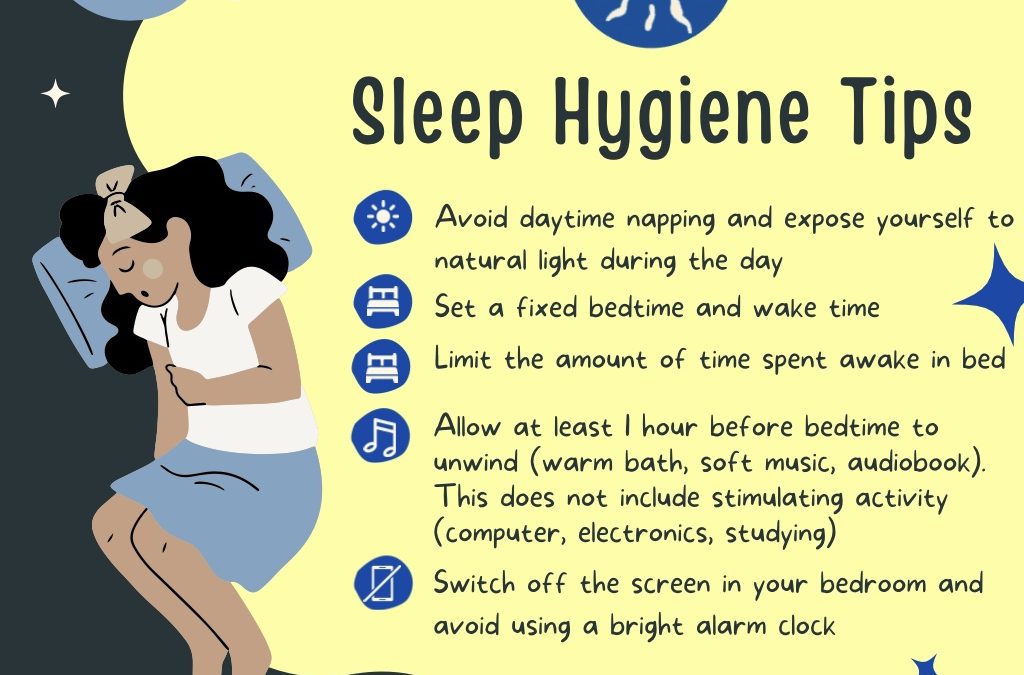
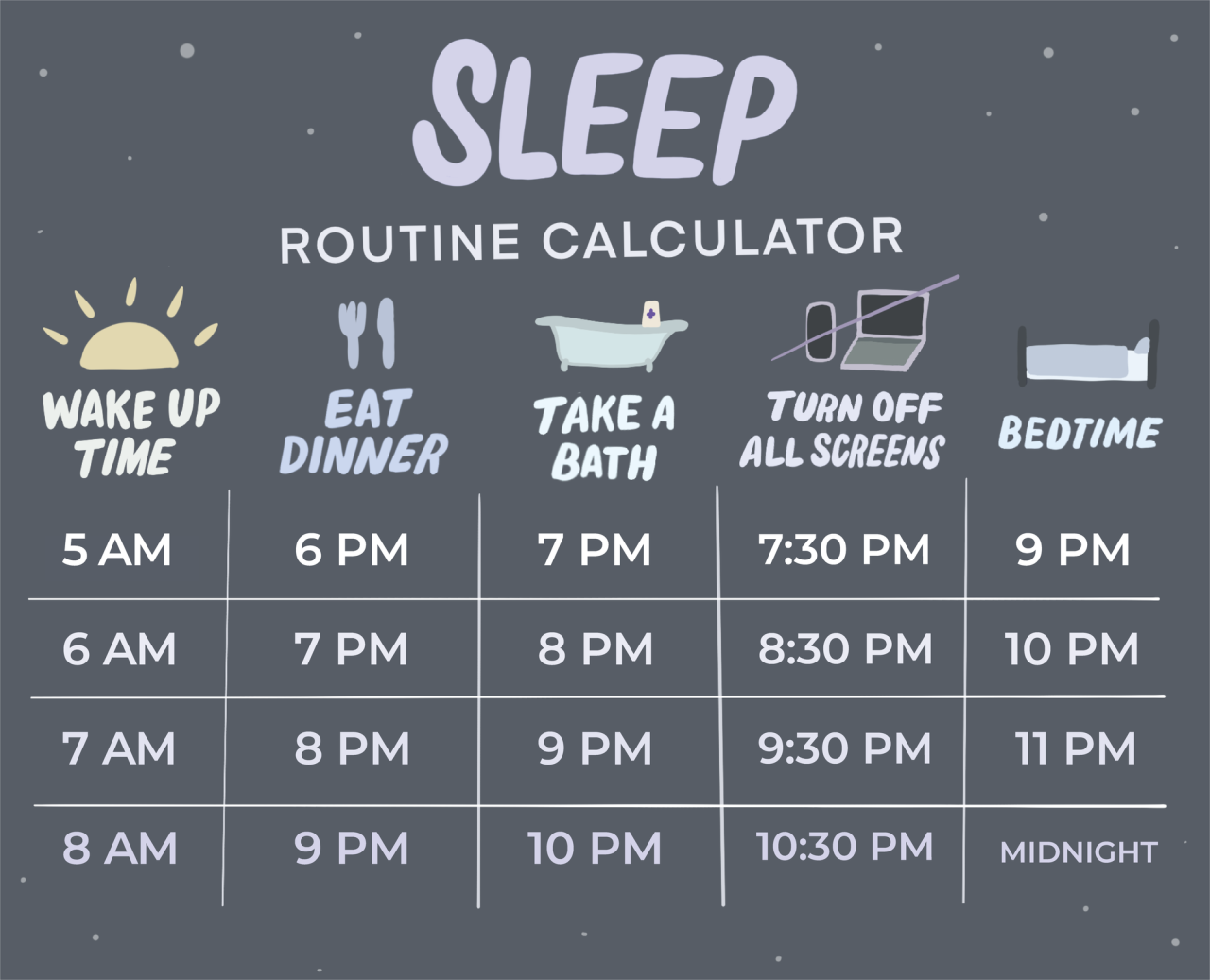
Consistent sleep schedules and environments are fundamental to achieving optimal sleep. Adhering to a regular sleep-wake cycle, even on weekends, helps regulate the body’s natural sleep-wake rhythm, also known as the circadian rhythm. Creating a relaxing bedtime routine, including activities like reading or taking a warm bath, signals to the body that it’s time to wind down.
| Tip | Explanation | Implementation Suggestions |
|---|---|---|
| Consistent Sleep Schedule | Maintaining a regular sleep-wake schedule, even on weekends, helps regulate the body’s natural sleep-wake cycle (circadian rhythm). | Aim for a consistent bedtime and wake-up time, seven days a week. This consistency helps your body anticipate sleep and wake times. |
| Optimize Your Sleep Environment | Creating a conducive sleep environment is essential for quality sleep. Factors like temperature, light, and noise can significantly impact sleep. | Ensure your bedroom is dark, quiet, and cool. Consider using blackout curtains, earplugs, or a white noise machine. Maintain a comfortable temperature, ideally around 65°F (18°C). |
| Establish a Relaxing Bedtime Routine | A relaxing bedtime routine signals to your body that it’s time to wind down. Avoid stimulating activities before bed. | Engage in calming activities like reading, taking a warm bath, listening to soothing music, or practicing relaxation techniques. Limit screen time an hour before bed. |
| Limit Napping During the Day | While short naps can be beneficial, excessive or long naps can interfere with nighttime sleep. | If you must nap, keep it to 20-30 minutes and avoid napping too late in the afternoon. |
| Avoid Caffeine and Alcohol Before Bed | Stimulants like caffeine and alcohol can disrupt sleep patterns. | Avoid consuming caffeine and alcohol at least 4-6 hours before bedtime. |
| Regular Exercise | Regular physical activity promotes better sleep, but avoid strenuous exercise close to bedtime. | Aim for at least 30 minutes of moderate-intensity exercise most days of the week. Schedule workouts earlier in the day. |
| Manage Stress and Anxiety | Stress and anxiety can significantly impact sleep quality. | Practice stress-reduction techniques like meditation, deep breathing exercises, or yoga. Consider consulting a therapist if stress is persistent. |
Integrating Warm Tea into Your Sleep Routine
Warm tea can be seamlessly incorporated into a holistic sleep routine. Drinking warm tea before bed can promote relaxation and create a calming atmosphere, signaling to the body that it’s time to wind down. Choosing the right type of tea and following appropriate brewing and consumption guidelines are important.
Warm tea, particularly herbal varieties, can act as a gentle sleep aid by promoting relaxation. However, it is important to note that individual responses to warm tea and sleep vary greatly.
Potential Interactions and Cautions
Warm herbal teas, while often considered safe, can interact with certain medications or supplements, potentially altering their effectiveness or causing adverse reactions. Understanding these potential interactions is crucial for safe and effective use. Individual responses to teas can vary, and some individuals may experience allergic reactions or sensitivities. This section explores potential interactions and cautions for specific health conditions or allergies.
Potential Interactions with Medications
Many medications, particularly those affecting the central nervous system, blood clotting, or metabolism, can interact with the compounds present in warm teas. These interactions can either enhance or diminish the effects of the medication, leading to unintended consequences. It is vital to consult with a healthcare professional before incorporating warm tea into your routine if you are taking any medications.
- Blood Thinners: Certain teas, such as those containing high levels of vitamin K, can interfere with the effectiveness of blood thinners like warfarin. This can lead to either increased or decreased blood clotting, which is a serious concern. For example, consuming large quantities of kale or spinach along with warfarin can lead to a need for adjustments in the dosage of the blood thinner, to maintain a safe level of blood clotting.
- Antidepressants and Anxiety Medications: Some teas contain compounds that can interact with antidepressants and anxiety medications. This can potentially alter the effectiveness of these medications or increase the risk of side effects. An example of this is the potential for increased sedation if someone consumes chamomile tea while taking a sedative medication.
- Diabetes Medications: Some teas contain compounds that can affect blood sugar levels. If you have diabetes and are using medications to control blood sugar, the addition of tea might require adjustments to your medication regimen. This is particularly true for teas containing high amounts of natural sugars.
- Digestive Medications: Some teas can affect the absorption of certain digestive medications. Consult with your doctor to understand if any particular teas might interfere with your medications.
Cautions for Individuals with Specific Health Conditions
Individuals with certain health conditions should exercise caution when consuming warm teas. The presence of specific components in certain teas may exacerbate existing conditions or lead to undesirable side effects. Always consult a healthcare professional for personalized advice.
- Pregnancy and Breastfeeding: The safety of consuming warm teas during pregnancy and breastfeeding is not fully established for all teas. Some herbal teas may contain compounds that could potentially harm the developing fetus or infant. Consult a healthcare professional for personalized advice.
- Kidney Conditions: Some teas, particularly those containing high levels of tannins, might place an additional strain on the kidneys. Consult with a healthcare professional if you have kidney issues.
- Thyroid Conditions: Certain teas can potentially affect thyroid hormone levels. It is important to consult with your doctor about the potential interactions between warm teas and thyroid medications.
- Heart Conditions: Some teas, especially those containing caffeine, can increase heart rate and blood pressure. If you have a heart condition, monitor your body’s response to the tea and discuss its consumption with your healthcare provider.
Table of Potential Interactions
| Tea Type | Medication/Supplement | Possible Effects |
|---|---|---|
| Chamomile Tea | Sedatives | Increased sedation |
| Green Tea | Blood thinners | Potentially altered blood clotting |
| Peppermint Tea | Digestive medications | Possible altered absorption |
| Black Tea | Diabetes medications | Potential alteration of blood sugar levels |
| Certain Herbal Teas | Thyroid medications | Potential interaction affecting thyroid hormone levels |
Images and Visual Aids
Visual aids play a crucial role in enhancing understanding and retention of information. Clear and engaging visuals can effectively communicate complex concepts related to warm tea and sleep, making the information more accessible and memorable for the reader. By illustrating the various types of teas, their brewing methods, and the potential impact on sleep cycles, these aids can significantly improve the overall learning experience.
Visual Representation of Different Warm Teas and Their Potential Health Benefits
A visually appealing infographic would effectively showcase the different types of warm teas, their potential health benefits, and their varying caffeine content. The infographic could feature a large central image with various tea types (e.g., chamomile, lavender, ginger, green tea). Each tea type could be accompanied by a smaller image depicting the plant itself, and a short description highlighting its unique properties and potential sleep-promoting effects.
For instance, chamomile tea could be paired with an image depicting its calming floral aroma, alongside a statement about its gentle sedative properties. A key or legend would identify the different tea types and their corresponding potential health benefits. The graphic should be visually appealing and easily understandable, making it an effective tool for learning about the diverse range of warm teas and their potential impacts.
Illustration of the Brewing Process for a Specific Tea Type
A step-by-step illustration of the brewing process for a particular type of warm tea, such as chamomile, can effectively demonstrate the correct procedure. This visual representation could include sequential images showing the process, from preparing the water to steeping the tea bag or loose leaves. Each step should be clearly labeled with text, making the process easily understandable for the reader.
This visual guide could also include information on ideal water temperature and steeping time, which are crucial for maximizing the tea’s beneficial properties.
Diagram Demonstrating the Relationship Between Warm Tea Consumption and Sleep Cycles
A diagram demonstrating the relationship between warm tea consumption and sleep cycles can effectively illustrate how specific teas and their properties might influence the body’s natural sleep-wake cycle. The diagram should display a simplified representation of the sleep cycle, including the different stages of sleep (e.g., light sleep, deep sleep, REM sleep). The diagram would visually connect the time of warm tea consumption to the corresponding phase of the sleep cycle, showing how the properties of the tea, like its caffeine content and the presence of calming herbs, might impact the sleep cycle.
For instance, the diagram might illustrate that consuming chamomile tea an hour before bedtime could potentially promote relaxation and entry into the sleep phase. This visual representation will aid the reader in understanding the correlation between warm tea consumption and sleep, enabling them to make informed choices.
End of Discussion
In conclusion, incorporating warm tea into your bedtime routine can be a valuable tool for improving sleep. By considering the various tea types, brewing methods, and preparation techniques, you can personalize a soothing and effective nightly ritual. Remember that individual preferences and potential health considerations should always be taken into account. This guide offers a comprehensive overview, allowing you to tailor your warm tea experience to your unique needs and preferences.