Achieving restful sleep is crucial for overall well-being, and meditation offers a powerful tool to cultivate relaxation before bed. This comprehensive guide explores various meditation techniques, providing practical steps to ease anxieties and promote a peaceful transition to sleep. By understanding the science behind relaxation and incorporating tailored practices, you can cultivate a more harmonious sleep routine.
This guide will walk you through the essentials of relaxation before bed, including different types of meditation, practical techniques, and strategies for establishing a calming bedtime routine. We will also delve into common challenges and provide solutions for overcoming obstacles in your meditation journey.
Introduction to Relaxation Before Bed

Prioritizing relaxation before sleep is crucial for maintaining optimal health and well-being. Adequate rest is essential for physical and cognitive recovery, and a well-rested individual is better equipped to handle daily challenges and stressors. The absence of sufficient relaxation before bed can significantly impact sleep quality, leading to various health concerns.Stress and anxiety often manifest as racing thoughts, muscle tension, and heightened alertness, which can interfere with the natural sleep-wake cycle.
These disruptions can result in difficulties falling asleep, frequent awakenings, and overall poor sleep quality. Consistently poor sleep, in turn, can negatively affect mood, concentration, and overall cognitive function, impacting daily life in various ways. Meditation, a practice with a rich history, offers a powerful tool for fostering relaxation and improving sleep.
Importance of Relaxation for Sleep
Meditation and other relaxation techniques can effectively reduce stress and anxiety, promoting a calmer state of mind conducive to falling asleep and maintaining restful sleep. By quieting the mind and reducing physiological arousal, these practices allow the body to transition into a state of deep rest. This process can lead to improved sleep quality, reducing the negative impacts of stress on the sleep cycle.
Benefits of Meditation for Sleep
Meditation’s ability to enhance sleep quality is supported by a growing body of research. Studies have shown that regular meditation practice can lead to reduced stress hormones, improved sleep duration, and increased sleep efficiency. Meditation techniques can effectively regulate the body’s stress response, leading to a more relaxed state conducive to sleep. The practice promotes a sense of calm and well-being, allowing the mind to quiet and the body to relax, making it easier to fall asleep and stay asleep throughout the night.
Historical Context of Meditation and Sleep
Meditation practices have been used for centuries to promote relaxation and well-being, with documented traditions in various cultures. In ancient Eastern traditions, such as Buddhism and Hinduism, meditation was often integrated into daily life as a means to cultivate inner peace and improve sleep. These practices emphasize the connection between mental state and physical health, recognizing the critical role of relaxation in achieving optimal sleep.
Relaxation Techniques for Sleep Improvement
Various techniques can be employed to promote relaxation before bed. A structured approach can help you identify the most effective methods for your individual needs.
| Technique | Description | Benefits | Drawbacks |
|---|---|---|---|
| Progressive Muscle Relaxation | Systematically tensing and releasing different muscle groups to reduce physical tension. | Reduces physical tension, promotes relaxation. | Can be time-consuming, may not be suitable for all individuals. |
| Mindfulness Meditation | Focusing on the present moment without judgment, observing thoughts and sensations. | Reduces racing thoughts, improves focus, fosters relaxation. | Requires practice and patience, may not be effective for individuals with severe anxiety. |
| Guided Imagery | Using vivid mental imagery to create a calming and relaxing scene. | Promotes a sense of peace, reduces stress, enhances relaxation. | Requires imagination and can be challenging for some individuals. |
| Deep Breathing Exercises | Consciously controlling breath to slow heart rate and calm the nervous system. | Reduces stress, promotes relaxation, enhances sleep quality. | Requires practice, may not be sufficient for individuals with severe stress. |
Types of Meditation for Sleep
Various meditation techniques can promote relaxation and improve sleep quality. Choosing the right approach can significantly enhance your bedtime routine and contribute to a more restful night’s sleep. Understanding the different types of meditation and their respective benefits can help you select a method that aligns with your individual preferences and needs.
Mindfulness Meditation
Mindfulness meditation involves focusing on the present moment without judgment. It cultivates awareness of thoughts, feelings, and sensations as they arise. This practice helps to detach from stressful or worrisome thoughts, promoting a sense of calm and acceptance. By observing your breath, bodily sensations, or external stimuli without getting carried away by them, you can bring yourself back to the present moment, fostering a sense of peace.
- Techniques: Find a comfortable seated or lying position. Close your eyes gently. Bring your attention to your breath, noticing the sensation of the air entering and leaving your body. As thoughts or sensations arise, acknowledge them without judgment, and gently redirect your attention back to your breath. You can also extend this awareness to other aspects of your experience, such as sounds or bodily sensations.
- Benefits for Sleep: Mindfulness meditation can help reduce anxiety and stress, common obstacles to a good night’s sleep. By cultivating present-moment awareness, you can detach from ruminating thoughts and worries that keep you awake. This can lead to improved sleep quality and a more restful sleep cycle.
Loving-Kindness Meditation
Loving-kindness meditation focuses on cultivating feelings of compassion, kindness, and goodwill towards oneself and others. This practice involves generating positive emotions and extending them outward. It promotes feelings of warmth, empathy, and connection, which can foster a sense of peace and well-being.
- Techniques: Begin by directing loving-kindness towards yourself. Repeat phrases such as “May I be happy, may I be peaceful, may I be healthy.” Then, extend this goodwill to a loved one, a neutral person, and even a difficult person. Imagine sending these feelings of love and compassion to them. The goal is to cultivate a sense of interconnectedness and empathy.
- Benefits for Sleep: By cultivating feelings of love and compassion, loving-kindness meditation can help reduce feelings of isolation and loneliness, which can sometimes interfere with sleep. A sense of connection and peace can lead to a more relaxed and restful state conducive to sleep.
Body Scan Meditation
Body scan meditation involves systematically bringing awareness to different parts of the body, noticing any sensations without judgment. It fosters a deep connection with the physical self and helps release tension. This process can be deeply relaxing and conducive to sleep.
- Techniques: Lie down comfortably. Bring your attention to your toes, noticing any sensations, warmth, coolness, or tension. Slowly move your awareness up your body, paying attention to each part, from your feet to your head. Notice any sensations without trying to change them, simply observing them. Continue until you reach your head.
- Benefits for Sleep: Body scan meditation can help identify and release physical tension, a significant contributor to sleep disturbances. By bringing awareness to physical sensations, you can learn to relax your body and mind, creating a state of calm that promotes better sleep.
Tips for Beginners Choosing the Right Type
Choosing the right meditation type depends on your personal preferences and goals. Consider factors like your temperament, the nature of your sleep issues, and the time you have available.
- Mindfulness is excellent for those seeking a general sense of calm and focus.
- Loving-kindness can be particularly helpful for those struggling with feelings of isolation or negativity.
- Body scan is ideal for those experiencing physical tension or discomfort that may interfere with sleep.
Practical Meditation Techniques for Sleep
Cultivating a relaxing bedtime routine is essential for improving sleep quality. Meditation techniques can significantly aid in this process by promoting calmness and reducing stress, preparing your mind and body for a restful night’s sleep. Consistent practice can lead to a more peaceful and restorative sleep experience.These techniques offer a structured approach to calming the mind and body, allowing you to transition smoothly into a deep, restful sleep.
The following sections provide step-by-step guides to various meditation practices, each designed to help you achieve a tranquil state before bedtime.
Mindfulness Meditation for Sleep
Mindfulness meditation involves focusing on the present moment, particularly on your breath. This practice helps to quiet the mind’s chatter and reduce racing thoughts, fostering a sense of calm. This technique is highly effective in promoting relaxation and improving sleep quality.
- Find a comfortable position: Sit or lie down in a relaxed posture. Ensure your spine is straight but not rigid. Find a place free from distractions. This could be your bed, a meditation cushion, or a quiet corner in your home. Ensure you are comfortable, as this will help maintain focus throughout the meditation.
- Focus on your breath: Bring your attention to the sensation of your breath entering and leaving your body. Notice the rise and fall of your chest or abdomen. If your mind wanders, gently redirect your focus back to your breath. This is a common experience and part of the process.
- Notice bodily sensations: As you continue to focus on your breath, gently bring awareness to any sensations in your body. Notice any tension or discomfort, but don’t judge or try to change these sensations. Simply observe them. This can help to release physical tension.
- Release thoughts and emotions: Thoughts and emotions will inevitably arise during meditation. Acknowledge their presence without getting carried away by them. Gently redirect your focus back to your breath and bodily sensations. This practice strengthens your ability to observe your thoughts without judgment.
Body Scan Meditation for Relaxation
Body scan meditation is a technique that involves systematically bringing awareness to different parts of your body, releasing tension and promoting relaxation. This can be particularly beneficial for unwinding before bed.
- Find a comfortable position: Lie down in a comfortable position. Cover yourself with a blanket or adjust your environment to promote comfort.
- Bring awareness to your toes: Bring your attention to your toes, noticing any sensations without judgment. Are they warm, cool, tingling, or heavy? Take a few deep breaths, focusing on the sensations.
- Move up your body: Gradually move your awareness up your body, focusing on each part – feet, ankles, calves, knees, thighs, hips, abdomen, chest, shoulders, arms, hands, fingers, neck, face. Notice any sensations in each area.
- Release tension: If you notice any tension in a particular area, consciously try to release it. Imagine the tension melting away. Continue this process until you reach the top of your head.
Guided Visualization Meditation for Sleep
Guided visualization meditations use imagery to promote relaxation and a sense of peace. This can be particularly helpful for inducing sleep.
Visualization involves creating a mental image of a calming scene or experience.
- Find a comfortable position: Lie down comfortably. Ensure you are free from distractions.
- Focus on your breath: Begin by focusing on your breath, noticing its rhythm and the sensation of air entering and leaving your body.
- Visualize a calming scene: Imagine a peaceful and calming scene, such as a serene beach, a lush forest, or a starry night sky. Focus on the details of the scene, the colors, the sounds, and the feelings associated with it. Allow the image to fill your mind completely.
- Stay with the visualization: Allow yourself to fully immerse in the scene, letting go of any worries or anxieties. Stay with this visualization for as long as you need. As you relax, you will naturally transition into sleep.
Breathing Exercises in Meditation
Incorporating breathing exercises into your meditation routine can significantly enhance relaxation. Techniques like box breathing can help calm the nervous system and prepare you for sleep.
- Choose a comfortable position: Find a position that allows you to breathe easily and comfortably.
- Inhale slowly and deeply: Inhale slowly and deeply through your nose, filling your lungs completely.
- Hold your breath: Hold your breath for a few seconds, focusing on the sensation of your lungs filling with air.
- Exhale slowly and completely: Exhale slowly and completely through your mouth, releasing all the air from your lungs.
- Repeat the cycle: Repeat this cycle for several minutes, focusing on the rhythm of your breath and the sensations in your body.
Dealing with Intrusive Thoughts
Intrusive thoughts are a normal part of meditation. Learning to manage them effectively is key to maintaining focus and relaxation.
- Acknowledge the thought: When an intrusive thought arises, acknowledge its presence without judgment. Don’t try to suppress it.
- Observe the thought: Observe the thought as if it were a passing cloud. Note its content and any emotions it evokes.
- Return to your focus: Gently redirect your attention back to your breath, your body, or the visualization you are using.
Summary Table of Meditation Techniques
| Meditation Type | Step 1 | Step 2 | Step 3 |
|---|---|---|---|
| Mindfulness | Focus on breath | Notice sensations | Release thoughts |
| Body Scan | Find a comfortable position | Bring awareness to body parts | Release tension |
| Guided Visualization | Find a comfortable position | Focus on breath | Visualize a calming scene |
| Breathing Exercises | Choose a comfortable position | Inhale slowly and deeply | Exhale slowly and completely |
Creating a Relaxing Bedtime Routine
Establishing a consistent bedtime routine is crucial for promoting healthy sleep habits. A predictable schedule signals to your body that it’s time to wind down, preparing it for restful sleep. This consistency allows your body to regulate its natural sleep-wake cycle, making it easier to fall asleep and stay asleep throughout the night. A well-structured bedtime routine not only improves sleep quality but also contributes to overall well-being.
It helps reduce stress and anxiety, allowing you to feel more prepared for the demands of the following day. Creating this routine involves understanding the elements that foster a conducive sleep environment, mindful physical activity, and recognizing what to avoid before bed.
Importance of a Consistent Bedtime Routine
A consistent bedtime routine is essential for establishing a healthy sleep-wake cycle. By following a similar schedule each night, your body’s internal clock learns to anticipate sleep, facilitating a smoother transition into a restful state. This predictability allows your body to naturally prepare for sleep, leading to improved sleep quality and duration. Consistency is key; even small adjustments to your routine can disrupt this natural rhythm.
Elements of a Conducive Sleep Environment
A sleep-conducive environment plays a significant role in promoting relaxation and quality sleep. Consider factors such as temperature, light, and noise levels. A cool, dark, and quiet room is ideal for sleep. Using blackout curtains, earplugs, or a white noise machine can help create a more conducive environment. A comfortable mattress and pillows are also essential for maximizing sleep comfort.
Role of Physical Activity in Promoting Sleep
Moderate physical activity during the day can significantly improve sleep quality. Regular exercise promotes better sleep by reducing stress and anxiety, which often contribute to sleep disturbances. However, avoid intense workouts close to bedtime, as they can stimulate your body and make it harder to fall asleep. Instead, incorporate light to moderate activities into your daily routine, ensuring they are completed sufficiently far from bedtime to allow your body to calm down.
Things to Avoid Before Bed
Certain activities and substances can hinder relaxation and sleep quality. Avoid caffeine and alcohol close to bedtime. These substances can interfere with your body’s natural sleep-wake cycle. Similarly, avoid strenuous exercise, large meals, and screen time just before bed. These activities can stimulate your mind and body, making it difficult to relax and fall asleep.
Strategies for Winding Down Before Sleep
To facilitate a smooth transition into sleep, incorporate strategies for winding down. Relaxation techniques, such as deep breathing exercises and progressive muscle relaxation, can help calm your mind and body. Engaging in quiet activities, such as reading a book or listening to calming music, can also promote relaxation. Creating a relaxing bedtime routine is not just about setting a time, but about creating a conducive environment and engaging in activities that help your body transition to a state of rest.
Relaxation Activities Before Sleep
| Activity | Description | Benefits | Duration Suggestion |
|---|---|---|---|
| Reading | Engaging in a quiet activity like reading a book. | Reduces stress, promotes relaxation, and helps distract from racing thoughts. | 30 minutes |
| Taking a Warm Bath or Shower | Relaxing and soothing activity. | Reduces muscle tension, promotes relaxation, and helps lower body temperature. | 15-20 minutes |
| Listening to Calming Music or Nature Sounds | Listening to calming audio. | Reduces stress, promotes relaxation, and creates a peaceful atmosphere. | 15-30 minutes |
| Light Stretching or Yoga | Gentle physical activity to relax muscles. | Reduces muscle tension, promotes relaxation, and improves flexibility. | 10-15 minutes |
| Journaling | Writing down thoughts and feelings. | Helps process emotions, reduces anxiety, and promotes a sense of calm. | 15-20 minutes |
Overcoming Challenges in Meditation for Sleep

Embarking on a meditation journey for better sleep can be rewarding, but it’s essential to understand that challenges are often encountered. Patience and persistence are key, as consistent practice gradually strengthens your ability to quiet the mind and achieve a state of relaxation. This section delves into common obstacles and practical strategies to overcome them.Many individuals find that the initial transition to a meditative state can be difficult.
This is a normal part of the learning process. With consistent practice, these challenges become less pronounced, and the benefits of meditation for sleep become more apparent.
Common Challenges in Sleep Meditation
Meditation for sleep, while beneficial, can present hurdles for beginners. Common challenges include restlessness, racing thoughts, distractions, and difficulty maintaining focus. Addressing these issues is crucial for cultivating a successful sleep meditation routine.
- Restlessness: Physical discomfort or an inability to settle into a relaxed posture can disrupt the meditative process. This restlessness might stem from underlying physical tension or discomfort. Strategies include adjusting the posture, incorporating gentle stretches or body scans before meditation, or utilizing props like cushions or blankets to promote comfort. By addressing the physical discomfort, the mind can more readily transition to a state of calm.
- Racing Thoughts: The mind often generates a stream of thoughts during meditation, making it challenging to focus on the present moment. These thoughts can be worries, memories, or anxieties. The key is not to judge or suppress these thoughts but to acknowledge their presence and gently redirect attention back to the chosen focus (breath, mantra, visualization). Practice observing thoughts without getting entangled in their content.
- Distractions: External noises, internal sensations, or external stimuli can disrupt the meditative state. These can be sounds from the environment, physical sensations, or even intrusive thoughts. Developing techniques for mindful awareness of distractions, without judgment, can help to minimize their impact on the meditative process. One method is to acknowledge the distraction, gently return attention to the chosen focus, and continue the practice.
Managing Stress and Anxiety Before Bed
Stress and anxiety are significant factors impacting sleep quality. Addressing these emotions before initiating a sleep meditation practice can significantly enhance the experience.
- Stress Reduction Techniques: Employing relaxation techniques such as deep breathing exercises, progressive muscle relaxation, or mindfulness-based stress reduction can help to calm the nervous system before bed. These techniques can help to release physical and mental tension, creating a more receptive environment for meditation.
- Anxiety Management Strategies: Anxiety-reducing strategies such as journaling, visualization exercises, or gentle yoga routines can be incorporated into the bedtime routine to prepare the mind for a peaceful sleep. Writing down anxieties can help to externalize them, freeing up mental space. Visualization can help to replace anxious thoughts with calming imagery.
Adjusting Meditation Practices to Individual Needs
Individual preferences and needs play a crucial role in tailoring meditation practices. Experimentation and adaptation are essential to find methods that work best for each individual.
- Experimentation with Different Techniques: Explore various meditation techniques, such as loving-kindness meditation, body scan meditation, or guided meditations. Each technique has unique properties and appeals to different preferences.
- Adapting Duration and Frequency: Start with shorter meditation sessions and gradually increase the duration as comfort and focus improve. The frequency of meditation should be adjusted to fit the individual’s schedule and needs. Consistency is more important than length in the early stages.
Creating a Supportive Environment
A supportive environment is vital for fostering relaxation and focus during meditation. The environment should be conducive to a peaceful atmosphere.
- Physical Space Considerations: Ensure a quiet, dark, and comfortable space free from distractions. Choose a spot where you feel relaxed and undisturbed.
- Creating a Relaxing Atmosphere: Soft lighting, calming music, or pleasant scents can enhance the ambiance. Creating a calming environment can greatly contribute to the meditative state.
Patience and Consistency in Meditation
Patience and consistency are fundamental to achieving success in meditation for sleep. Progress takes time and effort.
- Embracing the Process: Meditation is a journey, not a destination. Accept that progress may not be immediate and that setbacks are normal.
- Building a Routine: Establishing a regular meditation practice, even if it’s just for a few minutes each day, is crucial for building consistency and reaping the benefits.
Deepening Relaxation Through Meditation
Cultivating a deep sense of relaxation before bed is crucial for restorative sleep. This involves techniques that go beyond basic mindfulness, incorporating elements that enhance calmness and promote a sense of well-being. This section will explore strategies to further enhance your meditation practice, leading to more profound relaxation.Progressive muscle relaxation, aromatherapy, calming music, visualization, and personalized meditation experiences are all powerful tools to enhance the relaxation response.
Tailoring the length of your meditation to your individual needs further optimizes the benefits.
Progressive Muscle Relaxation in Meditation
Progressive muscle relaxation (PMR) is a technique that involves systematically tensing and releasing different muscle groups in the body. By focusing on these physical sensations, PMR helps to release physical tension and promote a sense of calm. Incorporating PMR into your meditation practice can deepen relaxation by addressing physical stress that might be contributing to sleeplessness. To begin, find a comfortable seated or lying position.
Gradually tense a specific muscle group, holding for a few seconds, and then release the tension, noticing the difference in sensation. Repeat this process with different muscle groups, from your toes to your head, focusing on the feeling of relaxation in each release.
Aromatherapy in Meditation
Aromatherapy can enhance relaxation during meditation by introducing calming scents that promote a sense of peace. Essential oils, like lavender, chamomile, and sandalwood, have historically been used for their calming effects. Aromatherapy can enhance the meditative experience by creating a sensory environment that promotes relaxation. A diffuser, a few drops of oil on a tissue, or a scented candle can be used to introduce these calming scents.
It’s crucial to choose oils that are appropriate for inhalation and avoid those that might trigger allergies. Consider conducting a brief test to check for any potential sensitivities before incorporating aromatherapy into your routine.
Calming Music and Soundscapes
Calming music and soundscapes can create a soothing atmosphere during meditation, facilitating relaxation and focus. Gentle instrumental music, nature sounds like rain or ocean waves, or white noise can all be beneficial. Choosing music that aligns with your personal preferences and the overall mood you are trying to achieve is essential. Soft instrumental pieces, or ambient soundscapes, are often excellent choices.
Imagery and Visualization in Meditation
Imagery and visualization techniques can enhance the relaxation response by creating mental images that promote a sense of calm and tranquility. Visualizing peaceful scenes, like a serene beach or a tranquil forest, can help to shift your focus away from stressful thoughts and anxieties. By creating vivid mental images, you can actively engage in promoting relaxation. Visualize a place or scene that evokes feelings of calm and peace.
Focus on the sights, sounds, smells, and textures of this imagined space.
Personalizing Your Meditation Experience
Creating a personalized meditation experience involves tailoring the practice to your unique needs and preferences. This includes considering your preferred posture, the type of music you find soothing, or incorporating elements that align with your personal beliefs or values. For example, incorporating a specific affirmation or a guided meditation tailored to your personal goals or needs can significantly enhance the experience.
Experiment with different aspects of your meditation practice to find what works best for you.
Tailoring Meditation Length
The length of your meditation sessions should be tailored to your individual needs and capabilities. Begin with shorter sessions, perhaps 5-10 minutes, and gradually increase the duration as you become more comfortable with the practice. If you are a beginner, start with shorter sessions and gradually increase the duration over time. As your experience grows, you can experiment with longer sessions.
The most important aspect is consistency and choosing a duration that works for you.
Examples of Meditative Techniques for Sleep
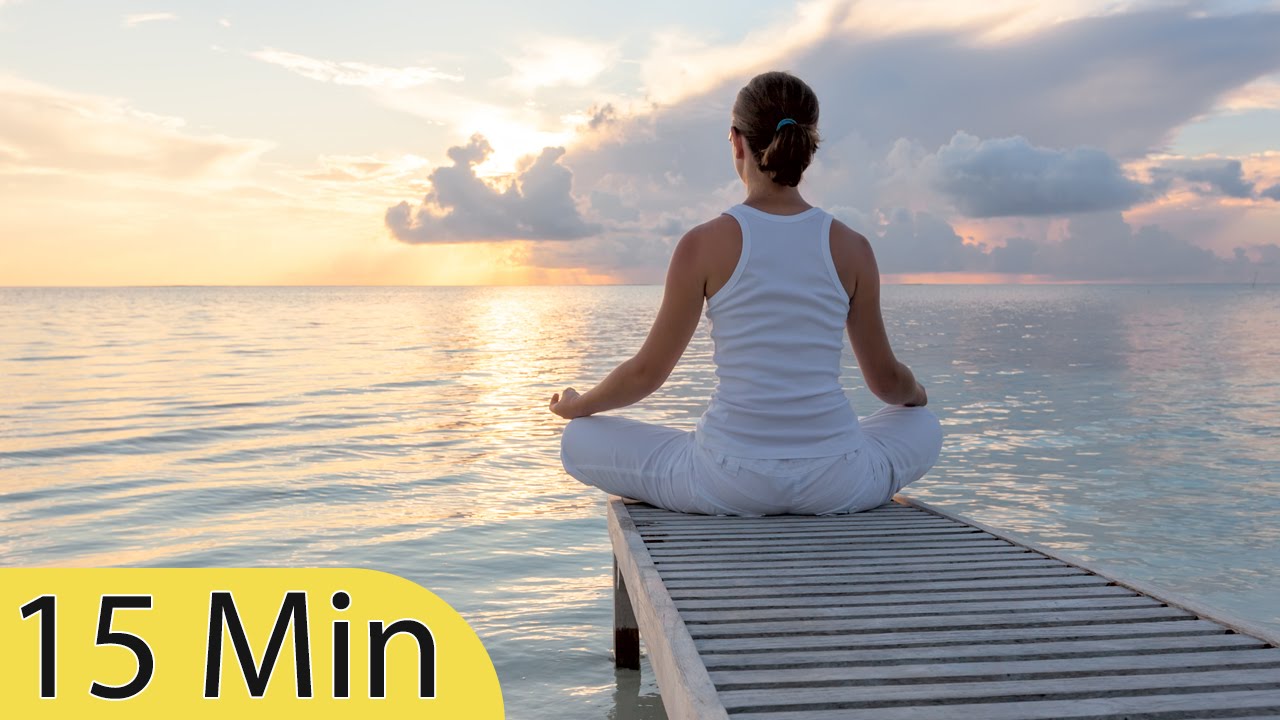
Cultivating a peaceful and restful state before sleep is often aided by incorporating various meditative techniques. These methods, when practiced consistently, can help to quiet the mind, reduce stress, and promote a deeper, more restorative sleep. This section delves into specific examples of meditative techniques tailored for sleep, offering detailed guidance for their implementation.
Guided Meditation for Sleep
Guided meditations for sleep provide a structured path towards relaxation. A skilled guide’s voice and calming suggestions lead the listener through a series of visualizations and focused breathing exercises. This can be particularly helpful for those new to meditation or experiencing difficulty quieting the mind.
A guided meditation for sleep might start by focusing on the sensation of the breath, encouraging the listener to notice the inhale and exhale without judgment. The guide might then lead the listener through a visualization of a peaceful scene, such as a serene beach or a lush forest. The focus is on slowing the heart rate and reducing racing thoughts.
The tone of the voice is crucial; it should be soothing and calming, free from distractions.
Loving-Kindness Meditation Before Bed
Loving-kindness meditation, also known as Metta meditation, cultivates feelings of compassion and warmth. Practicing this technique before bed can foster a sense of peace and well-being, which can be highly beneficial for sleep.
A step-by-step process for incorporating loving-kindness meditation before bed might begin by focusing on wishing well to oneself. The meditator repeats phrases of loving-kindness, such as “May I be happy, may I be peaceful, may I be free from suffering.” Then, the meditator extends these wishes to loved ones, neutral individuals, and even those they find challenging. The repetition of these positive affirmations can calm the mind and prepare the body for rest.
Body Scan Meditation Focusing on the Body
Body scan meditation is a technique where the attention is systematically directed to different parts of the body. This awareness of physical sensations can help identify areas of tension and promote relaxation.
A detailed example of a body scan meditation might begin with the awareness of the feet. The meditator would notice the sensations in the feet, without judgment, and gradually move their attention upwards, through the legs, torso, arms, hands, neck, and head. Each part of the body is observed, recognizing any sensations of tension or discomfort. The process is done slowly, gently releasing any accumulated tension.
Breathing Exercise Integrated into Meditation Practice
Incorporating specific breathing exercises within a meditation practice can significantly enhance relaxation and promote sleep. Controlled breathing techniques can help calm the nervous system, which is crucial for sleep onset.
A simple example of a breathing exercise could involve deep, slow breaths, inhaling through the nose and exhaling through the mouth. The breath is focused on, and the mind is encouraged to return to the breath whenever it wanders. This technique is particularly effective for calming the nervous system and inducing relaxation.
Incorporating Nature Sounds into Relaxation Meditation
Nature sounds, such as rain, waves, or birdsong, can enhance the meditative experience. These sounds can create a calming and immersive environment, promoting a sense of peace and tranquility.
Nature sounds can be incorporated into a relaxation meditation by playing recordings of these sounds during the practice. The soothing sounds can help to drown out external distractions, allowing the mind to focus on the present moment and reducing anxiety. This technique can be particularly helpful for those living in noisy environments.
Incorporating Gratitude Practices into Meditation Routine
Gratitude practices, which focus on appreciating the positive aspects of one’s life, can enhance overall well-being and promote a positive mindset. This can also contribute to a more restful sleep.
Incorporating gratitude practices into a meditation routine might involve a few minutes of reflection at the end of the day. The meditator can mentally list things they are grateful for, from small joys to significant accomplishments. This reflection fosters a sense of contentment and positivity, contributing to a more peaceful sleep.
Concluding Remarks

In conclusion, this guide has explored the multifaceted nature of relaxation before bed with meditation. By combining various meditation techniques with a consistent bedtime routine, you can effectively manage stress and anxiety, ultimately improving sleep quality. Remember that consistency and patience are key to reaping the full benefits of this practice. The techniques and strategies presented offer a personalized approach to achieving a more peaceful and restorative sleep experience.