Anxiety and sleep often go hand-in-hand, creating a frustrating cycle that can significantly impact daily life. This guide delves into the complex relationship between anxiety and sleep disturbances, offering practical strategies for managing anxiety and improving your sleep quality. We’ll explore various techniques, from relaxation exercises to lifestyle adjustments, empowering you to take control of your sleep and overall well-being.
Understanding the different types of anxiety and their specific effects on sleep is crucial. This guide also provides a clear overview of cognitive strategies to manage anxious thoughts, fostering a more positive mindset towards sleep. Ultimately, we aim to provide you with a comprehensive toolkit for addressing anxiety-related sleep problems, moving towards better rest and a more fulfilling life.
Understanding Anxiety and Sleep
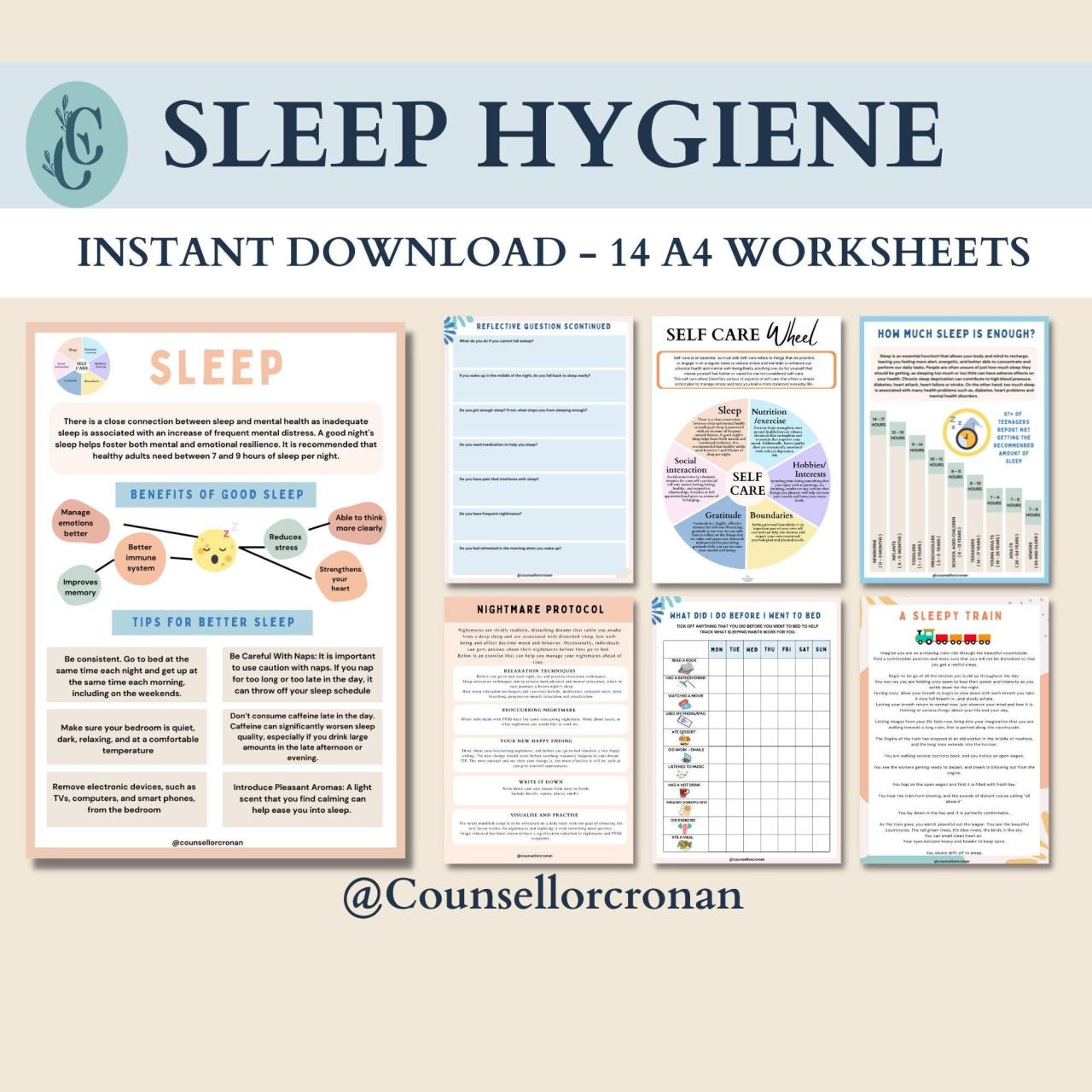
Anxiety and sleep are intricately linked. Chronic anxiety significantly impacts the quality and quantity of sleep, creating a vicious cycle. The physiological responses triggered by anxiety directly interfere with the natural sleep-wake cycle, often leading to persistent sleep disturbances. Understanding this connection is crucial for developing effective strategies to manage both conditions.
The Connection Between Anxiety and Sleep Disturbances
Anxiety disorders frequently manifest as sleep problems. The heightened physiological arousal associated with anxiety directly interferes with the sleep stages essential for restorative rest. The body’s fight-or-flight response, constantly activated in anxious individuals, keeps the nervous system in a state of hyper-alertness, making it challenging to transition into the deep, restorative sleep stages.
Physiological Mechanisms of Sleep Disruption
Anxiety triggers a cascade of physiological responses, disrupting the natural sleep-wake cycle. Elevated levels of stress hormones like cortisol and adrenaline, released in response to perceived threats, contribute to a heightened state of alertness. This hyper-arousal impedes the relaxation necessary for initiating and maintaining sleep. Furthermore, the increased heart rate and blood pressure that accompany anxiety make it difficult to achieve the calm physiological state needed for sleep.
Neurochemical imbalances associated with anxiety, particularly those related to neurotransmitters like serotonin and GABA, also play a significant role in sleep disturbances.
Common Symptoms of Anxiety-Related Sleep Problems
Individuals experiencing anxiety often report various sleep disturbances. These include difficulty falling asleep (insomnia), frequent awakenings during the night, and experiencing restless sleep. Nightmares, vivid dreams, and a general feeling of unease are also common symptoms. These symptoms can vary in severity and frequency, depending on the underlying anxiety disorder and the individual’s coping mechanisms.
Types of Anxiety Disorders Impacting Sleep
Several types of anxiety disorders can significantly disrupt sleep patterns. Generalized Anxiety Disorder (GAD) is characterized by persistent, excessive worry, which often leads to difficulty falling asleep and staying asleep. Panic Disorder involves sudden and intense episodes of fear, which can disrupt sleep with frequent awakenings and nightmares. Social Anxiety Disorder can cause significant sleep difficulties due to worry about social situations.
Post-traumatic stress disorder (PTSD) is also associated with severe sleep disturbances, such as nightmares, flashbacks, and difficulty relaxing, often causing individuals to avoid sleep.
Comparison of Anxiety Types and Sleep Impacts
| Anxiety Type | Typical Sleep Disturbances | Impact on Daily Functioning |
|---|---|---|
| Generalized Anxiety Disorder | Difficulty falling asleep, frequent awakenings, restless sleep | Fatigue, difficulty concentrating, irritability |
| Panic Disorder | Frequent awakenings, nightmares, fear of falling asleep | Feelings of terror, avoidance of sleep situations |
| Social Anxiety Disorder | Difficulty falling asleep due to worry about social situations | Avoidance of social interactions, social isolation |
Relaxation Techniques for Better Sleep
Effective relaxation techniques can significantly reduce anxiety and improve sleep quality. By incorporating these practices into your nightly routine, you can create a more conducive environment for restful sleep, easing the impact of anxiety on your body and mind. Consistent application of these methods can lead to a more positive sleep experience.Learning and practicing relaxation techniques can empower individuals to manage anxiety-related sleep issues proactively.
These techniques offer practical tools to calm the mind and body, promoting a sense of peace and tranquility before bedtime.
Progressive Muscle Relaxation
Progressive muscle relaxation involves systematically tensing and releasing different muscle groups in the body. This technique helps to identify and release physical tension, a common contributor to anxiety-related sleep problems. By focusing on the sensation of relaxation in each muscle group, individuals can learn to differentiate between tension and relaxation, leading to a greater sense of calm.Begin by identifying a muscle group, such as your hands.
Tense the muscles as tightly as comfortably possible, holding the tension for a few seconds. Then, release the tension, allowing the muscles to relax completely. Notice the difference in sensation between the tense and relaxed states. Gradually progress through various muscle groups in your body, from your hands to your feet, and finally to your face. Consistent practice can help you recognize and release physical tension more efficiently, promoting relaxation and improving sleep quality.
Mindfulness Meditation
Mindfulness meditation cultivates the ability to focus on the present moment without judgment. This practice can help quiet the mind’s chatter, a frequent source of anxiety that interferes with sleep. By directing attention to sensations, thoughts, and emotions without getting carried away by them, individuals can develop a greater sense of detachment and acceptance.Find a comfortable seated position, close your eyes, and bring your attention to your breath.
Notice the sensation of the air entering and leaving your body. As thoughts arise, acknowledge them without judgment and gently redirect your attention back to your breath. This practice can help reduce racing thoughts and promote a sense of calmness, preparing the mind for sleep. Regular practice of mindfulness meditation can help regulate the body’s stress response and promote better sleep.
Deep Breathing Exercises
Deep breathing exercises, also known as diaphragmatic breathing, are a simple yet powerful technique to calm the nervous system and reduce anxiety. By slowing down and regulating breathing, individuals can help lower their heart rate and blood pressure, easing the physical symptoms of anxiety that often interfere with sleep.Incorporate deep breathing into your routine. Inhale slowly and deeply through your nose, feeling your stomach expand.
Hold the breath for a few seconds, then exhale slowly through your mouth, allowing your stomach to contract. Repeat this process several times, focusing on the rhythm of your breath. This technique can help regulate your nervous system, reducing anxiety and promoting relaxation, which are essential for better sleep.
Relaxation Techniques Comparison
| Technique | Description | Benefits for Sleep |
|---|---|---|
| Progressive Muscle Relaxation | Systematically tensing and releasing different muscle groups. | Reduces physical tension, promoting relaxation and sleep. |
| Mindfulness Meditation | Focusing on the present moment without judgment. | Reduces racing thoughts, promotes calmness, and prepares the mind for sleep. |
| Deep Breathing Exercises | Slow, controlled breathing techniques. | Calms the nervous system, reduces anxiety, and promotes relaxation, contributing to better sleep. |
Lifestyle Adjustments for Better Sleep

Adopting healthy lifestyle adjustments is crucial for managing anxiety and improving sleep quality. These adjustments can significantly impact the body’s natural sleep-wake cycle and overall well-being, creating a more conducive environment for restful nights. By incorporating these practices into your daily routine, you can effectively mitigate the impact of anxiety on your sleep.Consistent implementation of these lifestyle changes can lead to a more regulated sleep-wake cycle, promoting better sleep quality and reducing the severity of anxiety symptoms.
These changes will not only improve sleep but also contribute to a more balanced and healthier lifestyle.
Creating a Relaxing Bedtime Routine
Establishing a calming bedtime routine is essential for signaling to your body that it’s time to wind down. This routine should include activities that promote relaxation and reduce stress levels. A consistent routine helps regulate your body’s internal clock, making it easier to fall asleep and stay asleep.
- Engage in relaxing activities such as reading a book, taking a warm bath, or listening to calming music. These activities help to transition your mind from a busy state to a relaxed one, preparing you for sleep.
- Avoid stimulating activities like using electronic devices or engaging in intense conversations before bed. The blue light emitted from screens can interfere with melatonin production, a hormone crucial for regulating sleep.
- Establish a regular sleep schedule, going to bed and waking up at the same time each day, even on weekends. This consistency strengthens your body’s natural sleep-wake cycle, improving sleep quality and reducing anxiety.
Importance of Regular Exercise
Regular physical activity is a powerful tool for managing anxiety and improving sleep quality. Exercise releases endorphins, which have mood-boosting effects and can help reduce feelings of anxiety. Physical activity also promotes better sleep by increasing body temperature and then allowing it to decrease, which can induce sleepiness.Regular exercise can significantly reduce anxiety symptoms. For example, studies have shown that regular aerobic exercise can be just as effective as medication in reducing symptoms of mild to moderate anxiety disorders.
Role of a Healthy Diet
A healthy diet plays a vital role in maintaining overall well-being and optimizing sleep quality. Nutrient deficiencies or imbalances can negatively affect sleep, while a balanced diet can support a healthy sleep cycle.
| Dietary Choice | Impact on Sleep |
|---|---|
| High-sugar foods | Disruption of sleep patterns, potentially leading to feelings of anxiety and difficulty falling asleep or staying asleep. |
| High-fat foods | Reduced sleep quality, possibly due to digestive discomfort or fluctuations in blood sugar levels. |
| Complex carbohydrates | Improved sleep quality, potentially due to a more stable release of glucose into the bloodstream, promoting a feeling of calm. |
Cognitive Strategies for Managing Anxiety and Sleep
Cognitive strategies play a crucial role in addressing the connection between anxious thoughts and sleep difficulties. By identifying and modifying negative thought patterns, individuals can develop a more positive and realistic perspective on sleep, ultimately improving their sleep quality and reducing anxiety. These strategies empower individuals to take control of their thoughts and emotions, fostering a healthier sleep-wake cycle.
Cognitive Restructuring Techniques
Cognitive restructuring is a cornerstone of managing anxious thoughts related to sleep. It involves identifying, evaluating, and modifying unhelpful or inaccurate thoughts about sleep. This process helps individuals challenge their negative thought patterns and replace them with more realistic and positive ones. By understanding the link between thoughts, feelings, and behaviors, individuals can actively reshape their responses to sleep-related anxiety.
Challenging Negative Thoughts About Sleep
Negative thoughts about sleep, such as “I’ll never sleep tonight” or “I’m going to have a panic attack if I can’t sleep,” can significantly exacerbate anxiety and hinder sleep. These thoughts often stem from past experiences or perceived threats. Employing techniques like questioning the evidence for these thoughts and considering alternative explanations can help to challenge their validity.
For example, asking “What evidence supports the idea that I will never sleep?” or “Have I ever experienced a panic attack related solely to sleeplessness?” can encourage a more objective evaluation.
Developing a Positive Sleep Mindset
Cultivating a positive sleep mindset involves actively focusing on relaxation, comfort, and a sense of control over sleep. Strategies include practicing self-compassion regarding sleep difficulties, recognizing personal strengths and coping mechanisms, and setting realistic expectations for sleep. This approach fosters a more accepting and less stressful relationship with sleep. Focusing on the progress made rather than solely on shortcomings can be helpful.
Setting Realistic Sleep Expectations
Setting realistic sleep expectations is paramount in managing sleep anxiety. Recognizing individual sleep needs and variations is crucial. While some individuals require more sleep than others, aiming for a fixed number of hours without considering personal needs can lead to frustration and anxiety. Instead of focusing solely on hours, individuals should prioritize sleep quality and consistency over a longer period.
A consistent sleep schedule, even on weekends, can help regulate the body’s natural sleep-wake cycle, ultimately reducing anxiety related to sleep.
Identifying and Challenging Negative Sleep-Related Thoughts
| Negative Thought | Challenging Thought |
|---|---|
| “I’ll never sleep tonight.” | “I’ve slept through worse nights before. I can manage this.” |
| “I’m going to have a panic attack if I can’t sleep.” | “Panic attacks are temporary, and I have strategies to manage them.” |
| “If I don’t sleep well tonight, I’ll fail tomorrow.” | “A single night of poor sleep won’t significantly impact my performance.” |
| “I need to sleep 8 hours straight to function.” | “Sleep quality is more important than duration. I can achieve adequate rest through multiple shorter periods of sleep.” |
Seeking Professional Help
Addressing anxiety and sleep difficulties effectively often requires professional guidance. Recognizing when to seek help is crucial for managing these challenges effectively and improving overall well-being. Seeking support from a qualified mental health professional can provide personalized strategies and support tailored to individual needs.Professional help can offer a structured approach to understanding and managing anxiety-related sleep issues. This support can be invaluable in developing coping mechanisms and fostering healthy sleep habits.
Different mental health professionals offer diverse expertise and approaches, leading to a personalized treatment plan.
Types of Mental Health Professionals
Mental health professionals play a vital role in providing comprehensive care for anxiety and sleep problems. A range of specialists can offer expertise and support, including psychologists, psychiatrists, and therapists. Psychologists typically hold doctoral degrees and specialize in various therapeutic approaches, such as cognitive behavioral therapy (CBT). Psychiatrists are medical doctors who can assess and treat mental health conditions, including prescribing medication if necessary.
Therapists, such as licensed clinical social workers or licensed professional counselors, possess specialized training in various therapeutic techniques to address emotional and behavioral challenges.
Benefits of Therapy for Anxiety-Related Sleep Issues
Therapy provides a safe and supportive environment for exploring the connection between anxiety and sleep. Through therapy, individuals can gain a deeper understanding of their anxiety triggers and develop coping strategies to manage them more effectively. This understanding often leads to improved sleep quality and reduced anxiety levels. Therapy can also help individuals identify and challenge negative thought patterns contributing to anxiety and sleep disturbances.
By addressing these underlying issues, therapy empowers individuals to make lasting positive changes in their sleep habits and overall well-being.
Treatment Approaches
Cognitive Behavioral Therapy (CBT) is a widely used and effective treatment approach for anxiety and sleep problems. CBT focuses on identifying and modifying negative thought patterns and behaviors that contribute to anxiety and sleep disturbances. CBT techniques can include relaxation training, sleep hygiene education, and exposure therapy. Other approaches, such as mindfulness-based stress reduction (MBSR), can also be beneficial in managing anxiety and improving sleep.
Resources for Finding Mental Health Professionals
Locating a suitable mental health professional can be simplified by utilizing online directories. These resources offer a convenient way to search for qualified professionals in your area. The following table provides links to therapist directories for two major metropolitan areas.
| Area | Therapist Directory |
|---|---|
| New York City | [Link to directory – Replace with actual link] |
| Los Angeles | [Link to directory – Replace with actual link] |
Ending Remarks
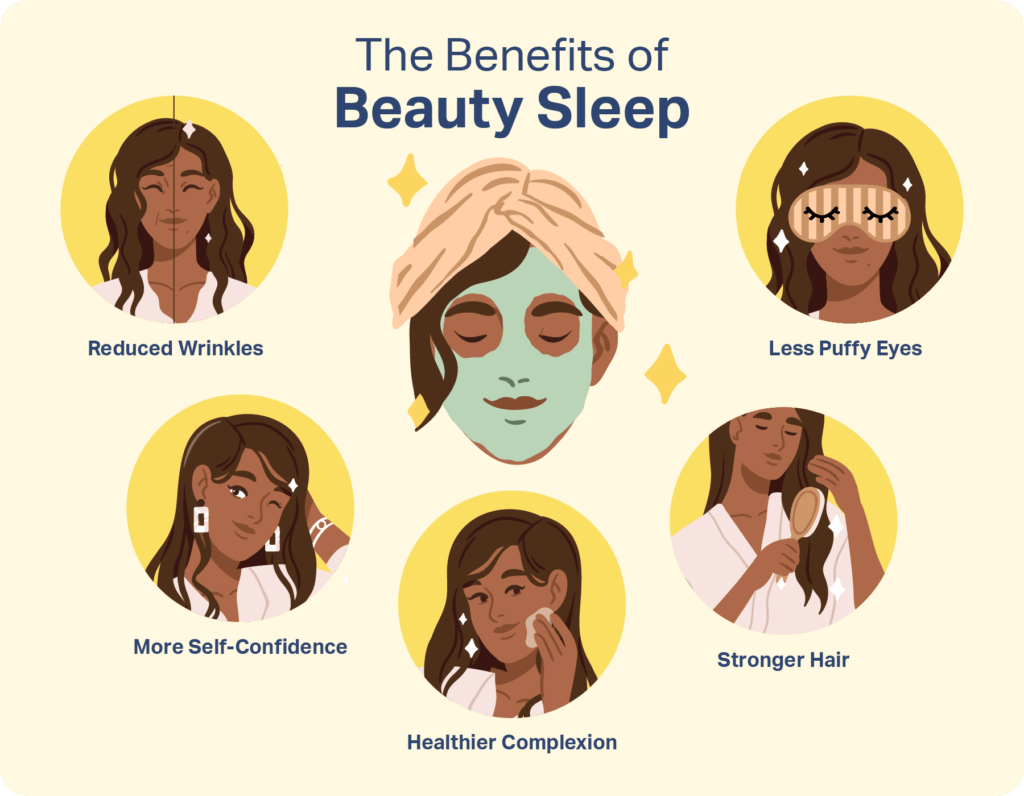
In conclusion, achieving better sleep with anxiety requires a multifaceted approach. This guide has explored the connection between anxiety and sleep, presented effective relaxation and lifestyle strategies, and emphasized the importance of cognitive techniques and professional support. By combining these tools, you can create a healthier sleep routine and significantly reduce the impact of anxiety on your daily life.
Remember, consistent effort and patience are key to long-term improvement.