Waking up on time is a common challenge for many. This guide provides a comprehensive approach to conquering oversleeping, covering everything from establishing a consistent sleep schedule to understanding individual sleep needs. Effective alarm strategies and managing potential sleep disorders are also explored, offering practical solutions to achieve a successful morning routine.
By understanding the interconnectedness of sleep hygiene, stress management, and individual sleep requirements, readers will gain valuable insights into optimizing their sleep-wake cycle. This knowledge equips them with a toolkit for overcoming oversleeping and creating a better start to their day.
Establishing a Consistent Sleep Schedule

A consistent sleep schedule is a cornerstone of healthy sleep hygiene. It regulates your body’s natural sleep-wake cycle, also known as the circadian rhythm, making it easier to fall asleep and wake up refreshed. A predictable sleep schedule minimizes the risk of oversleeping and helps optimize overall well-being.A regular sleep schedule is crucial for preventing oversleeping. By establishing a consistent pattern of sleep and wake times, your body anticipates when it’s time to rest and when it’s time to be active.
This anticipation minimizes the likelihood of hitting the snooze button repeatedly, ultimately reducing the risk of oversleeping. This predictability allows your body to naturally adjust its internal clock, promoting better sleep quality and reducing the need for alarm clocks to jolt you awake.
Creating a Consistent Sleep Schedule
A consistent sleep schedule involves establishing a regular bedtime and wake-up time, adhering to it every day, including weekends. This predictability helps your body regulate its natural sleep-wake cycle, making it easier to fall asleep and wake up naturally.
- Setting Consistent Bed and Wake Times: Establishing a consistent bedtime and wake-up time, even on weekends, is essential. This helps regulate your body’s internal clock and prepares you for sleep. Consistency helps minimize the sleep-wake cycle disruption that can lead to oversleeping. For example, if you consistently go to bed at 10 PM and wake up at 7 AM, your body will naturally adjust to this schedule over time, leading to better sleep quality and reduced instances of oversleeping.
- Prioritizing Sleep Hygiene: A consistent sleep schedule works best when combined with good sleep hygiene practices. This includes creating a relaxing bedtime routine, ensuring a dark, quiet, and cool sleep environment, and avoiding caffeine and alcohol close to bedtime. These factors significantly contribute to the effectiveness of a consistent sleep schedule in preventing oversleeping.
- Avoiding Irregular Sleep Schedules: Irregular sleep schedules disrupt your body’s natural sleep-wake cycle, making it difficult to fall asleep and wake up on time. This is especially important to avoid during the week, when sleep disruption can affect work and school schedules. Consistent sleep is essential for maintaining a healthy lifestyle and preventing oversleeping.
Adhering to the Schedule
Maintaining a consistent sleep schedule, even on weekends, is crucial for maintaining a healthy sleep-wake cycle. Weekend sleep-ins can disrupt the body’s natural rhythm, making it harder to fall asleep and wake up on time during the week. This disrupts the circadian rhythm, leading to difficulty adjusting to the sleep schedule.
- Weekend Sleep-ins: Allowing for some flexibility on weekends is important, but avoiding excessively long sleep-ins is recommended. Aim for a maximum of 1-2 hours of extra sleep compared to your weekday schedule. This will help maintain a consistent sleep-wake cycle. This is often a better option than sleeping in for a full day. This is because a significantly longer weekend sleep-in will likely cause difficulty adjusting back to the weekday schedule.
- Adjusting Gradually: If you need to adjust your sleep schedule, do so gradually. Making significant changes in a short time frame can disrupt your sleep-wake cycle. This is why gradual adjustments are more effective and less likely to lead to oversleeping. For instance, shifting your bedtime by 15-30 minutes each day is more beneficial than a sudden 2-hour change.
Sample Weekly Sleep Schedule Template
The following template provides a framework for a consistent sleep schedule. Adjust it to fit your individual needs and preferences.
| Day | Bedtime | Wake-up Time | Activities |
|---|---|---|---|
| Monday | 10:00 PM | 7:00 AM | Work/School, Evening Routine |
| Tuesday | 10:00 PM | 7:00 AM | Work/School, Evening Routine |
| Wednesday | 10:00 PM | 7:00 AM | Work/School, Evening Routine |
| Thursday | 10:00 PM | 7:00 AM | Work/School, Evening Routine |
| Friday | 10:00 PM | 7:00 AM | Work/School, Evening Routine |
| Saturday | 10:30 PM | 8:00 AM | Relaxation, Social Activities |
| Sunday | 10:30 PM | 8:00 AM | Relaxation, Social Activities |
Optimizing Sleep Hygiene Practices
A crucial aspect of achieving optimal sleep is the implementation of sound sleep hygiene practices. These practices encompass a range of habits and environmental factors that significantly influence the quality and duration of sleep. By establishing a consistent and conducive sleep environment, and adopting relaxing pre-sleep rituals, individuals can significantly improve their sleep onset and duration.A well-structured bedtime routine serves as a powerful signal to the body that it’s time to wind down and prepare for sleep.
This predictability helps regulate the body’s natural sleep-wake cycle, making it easier to fall asleep and stay asleep throughout the night. Consistent routines promote better sleep quality and reduce the time it takes to fall asleep.
Relaxing Bedtime Routine
A relaxing bedtime routine is essential for signaling to the body that it’s time to sleep. This routine should incorporate activities that promote calmness and reduce stress, allowing the mind and body to transition smoothly into a sleep-conducive state. Examples include reading a book, listening to calming music, taking a warm bath or shower, or practicing gentle stretching or yoga.
These activities help to reduce anxiety and prepare the body for sleep.
Creating a Sleep-Conducive Environment
The sleep environment plays a significant role in sleep quality. A conducive environment promotes relaxation and reduces distractions, making it easier to fall asleep and stay asleep. Key factors to consider include temperature, light, and noise levels.
Impact of Environmental Factors
The ideal sleep environment is typically cool, dark, and quiet. A room temperature slightly cooler than the ambient temperature is often optimal for sleep. Darkness promotes the release of melatonin, a hormone crucial for regulating sleep. Reducing external noise levels through white noise machines or earplugs can significantly minimize distractions and enhance sleep quality. Light exposure, particularly blue light emitted from electronic devices, can interfere with melatonin production, hindering sleep onset.
Potential Sleep Disruptors
Several factors can disrupt sleep, impacting both sleep onset and maintenance. These disruptors range from external stimuli to internal factors like stress and anxiety. Addressing these factors is crucial for improving sleep quality.
- Caffeine and Alcohol Consumption: Consuming caffeine or alcohol close to bedtime can significantly impact sleep quality. Caffeine’s stimulating effects can interfere with sleep onset and duration, while alcohol, though initially potentially inducing drowsiness, can disrupt sleep later in the night. Avoiding these substances close to bedtime is recommended.
- Stress and Anxiety: Stress and anxiety can interfere with sleep by keeping the mind racing. Stressful thoughts and worries can make it challenging to fall asleep and stay asleep. Practicing relaxation techniques like meditation or deep breathing exercises before bed can help to manage stress and promote relaxation.
- Uncomfortable Bedding: An uncomfortable mattress, pillows, or bedding can significantly affect sleep quality. Ensuring the bed and bedding provide adequate support and comfort is crucial for optimal sleep.
Comparing Sleep Hygiene Practices
Various sleep hygiene practices offer different approaches to optimizing sleep. While specific practices might vary in effectiveness depending on individual needs and preferences, a combination of approaches is often most beneficial. For example, a consistent bedtime routine coupled with a sleep-conducive environment and stress management techniques can significantly improve sleep quality.
Utilizing Effective Alarm Strategies
Establishing a consistent sleep schedule and optimizing sleep hygiene are crucial steps towards avoiding oversleeping. However, even with these practices in place, a well-designed alarm system is essential for ensuring a successful wake-up. This section explores various alarm strategies, focusing on different types of alarm clocks, sound preferences, strategic placement, and the effective (or ineffective) use of features like snooze buttons.Effective alarm strategies are more than just setting an alarm.
They incorporate thoughtful consideration of individual preferences and environmental factors to maximize the likelihood of a smooth and productive morning. This section will equip you with the knowledge to create a personalized alarm system that best suits your needs and helps you achieve consistent, timely awakenings.
Alarm Clock Types and Effectiveness
Different alarm clock types offer varying levels of effectiveness. Digital alarm clocks typically offer more customizable features, such as multiple alarms and snooze functions. Analog alarm clocks, while simpler, can be less distracting due to their lack of additional features. Smart alarm clocks often integrate with sleep tracking apps and use algorithms to determine the optimal time to wake you during a light sleep phase, potentially leading to a more refreshing awakening.
The choice of clock type is ultimately a personal one, depending on individual preferences and desired functionality.
Alarm Sound and Impact
The type of alarm sound can significantly impact your waking experience. A sudden, jarring sound might startle you, leading to a less pleasant awakening, while a gradual, increasing sound can lead to a smoother transition. Consider your personal preferences when choosing an alarm sound. Some individuals respond well to nature sounds, while others prefer upbeat music. Testing various sounds to find one that effectively wakes you without causing stress is crucial.
A gentle, gradually increasing sound can be more effective than a loud, sudden alarm.
Strategic Alarm Clock Placement
Placing your alarm clock strategically can significantly influence your wake-up routine. Keeping the alarm clock at a distance from your bed can make it more challenging to hit the snooze button. This is because you will have to get out of bed to turn it off. A more distant alarm forces a more complete awakening. Consider placing it across the room or on a nightstand that requires a short walk to reach.
Utilizing Alarm Clock Features Effectively
Alarm clock features like snooze and progressive alarms can either be helpful or detrimental to your sleep schedule. The snooze button can be a tempting option for those who struggle to wake up, but it can disrupt your sleep cycle and lead to a groggy and less productive day. Progressive alarms, which gradually increase in volume, can be a more effective way to wake up.
Downsides of Snooze and Other Features
The snooze button, while seemingly beneficial, often disrupts the natural sleep cycle. Repeated awakenings and falling back into sleep can lead to fragmented sleep, leaving you feeling tired and less refreshed. Overuse of snooze can also contribute to a negative sleep-wake cycle.
Best Approach to Using Alarms
The best approach to using alarms involves combining a consistent sleep schedule with an effective alarm strategy. Avoid using the snooze button as a habitual feature. Consider using a progressive alarm sound to facilitate a more gradual awakening. Strategically place the alarm clock at a distance from your bed to encourage a more complete wake-up. Ultimately, the ideal approach to using alarms is to select a strategy that helps you wake up feeling refreshed and ready to start your day.
Addressing Underlying Sleep Disorders
Sometimes, despite implementing consistent sleep schedules and optimal sleep hygiene, individuals may still struggle with excessive sleepiness or oversleeping. This persistent issue can often stem from an underlying sleep disorder, a condition that significantly impacts sleep quality and quantity. Understanding these disorders is crucial for effectively addressing the root cause of oversleeping.A variety of sleep disorders can contribute to oversleeping, often manifesting in ways that can be easily misinterpreted as simply a preference for more sleep.
It is vital to recognize these conditions and seek professional help for proper diagnosis and treatment. A qualified sleep specialist can differentiate between genuine sleep needs and the symptoms of an underlying sleep disorder.
Connection Between Sleep Disorders and Oversleeping
Sleep disorders frequently disrupt normal sleep patterns, leading to daytime sleepiness and a tendency to oversleep. This disruption can stem from various factors, including difficulty falling asleep, staying asleep, or experiencing abnormal sleep cycles. Individuals with sleep disorders may find themselves needing more time in bed to achieve a semblance of restorative sleep, leading to oversleeping behaviors. For instance, someone with sleep apnea might wake up multiple times throughout the night, feeling unrested, and therefore needing more time in bed to feel refreshed.
Common Sleep Disorders Contributing to Oversleeping
Several sleep disorders can significantly impact sleep quality and duration, potentially leading to oversleeping. These conditions can be broadly categorized as:
- Insomnia: Characterized by persistent difficulty falling asleep, staying asleep, or experiencing poor sleep quality, insomnia can leave individuals feeling tired and needing more sleep to compensate. Chronic insomnia can disrupt the body’s natural sleep-wake cycle, making it harder to wake up at the desired time, even with an alarm.
- Sleep Apnea: This disorder involves pauses in breathing during sleep, often resulting in fragmented sleep and daytime sleepiness. Individuals with sleep apnea frequently wake up feeling unrefreshed, leading them to oversleep in an attempt to catch up on lost sleep.
- Restless Legs Syndrome (RLS): RLS is characterized by uncomfortable sensations in the legs, often accompanied by a strong urge to move them. The constant discomfort and need to move can disrupt sleep patterns, potentially leading to oversleeping as a means of alleviating the discomfort.
- Narcolepsy: This neurological disorder causes excessive daytime sleepiness and sudden episodes of falling asleep. The unpredictable nature of sleep attacks can lead to oversleeping, as individuals may find it challenging to maintain a regular sleep schedule.
Importance of Seeking Professional Help for Sleep Disorders
A qualified sleep specialist is essential for accurate diagnosis and tailored treatment plans for sleep disorders. Self-treating sleep problems can be ineffective and potentially worsen underlying conditions. A comprehensive evaluation by a sleep specialist will consider various factors, including medical history, sleep patterns, and lifestyle factors, to determine the appropriate course of action. Ignoring or misdiagnosing sleep disorders can lead to significant health problems and reduced quality of life.
Potential Symptoms Mistaken for Oversleeping
Some symptoms of sleep disorders can easily be confused with a simple desire for more sleep. These symptoms may include:
- Daytime fatigue: While oversleeping can cause daytime fatigue, excessive daytime sleepiness can also be a symptom of underlying sleep disorders, such as narcolepsy or sleep apnea.
- Difficulty concentrating: If an individual struggles to focus or experiences mental fogginess, this could be a sign of a sleep disorder rather than simply a consequence of oversleeping.
- Irritability and mood swings: Sleep disorders can negatively affect mood regulation, leading to irritability or emotional instability. These emotional symptoms may be mistaken for other factors, but they can point to a need for sleep disorder assessment.
- Morning headaches: Persistent morning headaches can sometimes be a symptom of sleep apnea, which can disrupt sleep cycles and lead to reduced restorative sleep.
Importance of a Comprehensive Approach to Managing Sleep Disorders
Addressing sleep disorders requires a multi-faceted approach, considering the individual’s overall health, lifestyle, and potential underlying medical conditions. A comprehensive approach to managing sleep disorders often includes a combination of medical interventions, lifestyle modifications, and behavioral therapies. This tailored approach aims to improve sleep quality, reduce symptoms, and promote overall well-being.
Managing Stress and Anxiety
Stress and anxiety are prevalent in modern life, and they can significantly impact sleep quality. A strong correlation exists between the levels of stress and anxiety experienced and the likelihood of oversleeping. Understanding this relationship is crucial for developing effective strategies to combat oversleeping.Chronic stress and anxiety can disrupt the body’s natural sleep-wake cycle. These conditions often lead to racing thoughts and difficulty relaxing, making it challenging to fall asleep and stay asleep.
This can result in a vicious cycle, where inadequate sleep exacerbates stress and anxiety, leading to further sleep disturbances. Recognizing this cycle and actively managing stress and anxiety is vital for achieving optimal sleep patterns.
Stress Management Techniques for Better Sleep
Effective stress management techniques play a pivotal role in improving sleep quality. By adopting these strategies, individuals can create a more conducive environment for restful sleep. These techniques can range from simple relaxation exercises to more structured approaches to managing stressful situations.
- Mindfulness and Meditation Practices: Mindfulness and meditation techniques can help individuals become more aware of their thoughts and emotions without judgment. This awareness can reduce the intensity of stress responses and promote relaxation. Practicing mindfulness regularly can help cultivate a sense of calm and clarity, which is beneficial for improving sleep quality. For example, guided meditations specifically designed for relaxation can help individuals focus on their breath and release tension.
- Physical Activity: Engaging in regular physical activity, such as exercise, can be an effective stress reliever. Physical activity helps to release endorphins, which have mood-boosting effects. Regular exercise also promotes better sleep hygiene. However, exercising too close to bedtime can sometimes have the opposite effect, so it’s crucial to find a balance. Moderate intensity exercise in the morning or early afternoon can be more beneficial for sleep than intense workouts close to bedtime.
- Time Management and Organization: Effective time management and organization skills can significantly reduce stress levels. By creating realistic schedules, prioritizing tasks, and delegating responsibilities where possible, individuals can manage their workload more effectively and reduce feelings of being overwhelmed. This can contribute to a more relaxed and less stressful environment, conducive to better sleep.
Relaxation Exercises and Breathing Techniques
Relaxation exercises and breathing techniques can be powerful tools in managing stress and promoting relaxation. These techniques can help to calm the mind and body, preparing individuals for restful sleep.
- Progressive Muscle Relaxation: Progressive muscle relaxation involves systematically tensing and releasing different muscle groups in the body. This technique helps to release physical tension, which can contribute to stress and anxiety. By focusing on the sensation of relaxation in each muscle group, individuals can gradually reduce overall tension in the body. This technique can be particularly helpful in preparing for sleep.
- Deep Breathing Exercises: Deep breathing exercises, such as diaphragmatic breathing, can help to regulate the body’s stress response. By focusing on slow, deep breaths, individuals can calm the nervous system and promote a sense of peace and relaxation. This can be especially beneficial in moments of anxiety or stress. There are many different types of deep breathing exercises, each with its own potential benefits.
For example, box breathing involves inhaling for a count of four, holding for a count of four, exhaling for a count of four, and holding for a count of four. This consistent rhythm can be calming and helpful.
Mental Well-being and Sleep Quality
Mental well-being and sleep quality are intricately linked. Maintaining good mental health contributes significantly to better sleep quality. Stress, anxiety, and other mental health concerns can disrupt sleep patterns and negatively affect overall well-being. Prioritizing mental well-being can significantly improve sleep quality and overall health.
Creating a Calming Atmosphere for Sleep
Creating a calming atmosphere in the bedroom can be a crucial factor in facilitating sleep. This environment should be conducive to relaxation and promote a sense of peace.
- Darkness and Quiet: Creating a dark and quiet environment in the bedroom is essential for optimal sleep. Using blackout curtains, earplugs, or white noise machines can help to block out external disturbances that can disrupt sleep. Maintaining a consistent and quiet environment can help the body regulate its sleep-wake cycle.
- Temperature and Comfort: Maintaining a comfortable temperature in the bedroom is important for promoting relaxation. A cool room temperature is often ideal for sleep. Using comfortable bedding and ensuring the room is well-ventilated can also contribute to a more relaxing sleep environment.
Understanding Individual Sleep Needs

Individual sleep needs vary significantly from person to person. While a general consensus exists regarding average sleep durations, the optimal amount and timing of sleep for each individual can differ greatly. Factors like genetics, lifestyle, and overall health all contribute to these variations. Recognizing and respecting these individual differences is crucial for establishing a healthy sleep pattern.Individual sleep needs are not a fixed number but rather a dynamic range influenced by various factors.
The quality and duration of sleep required by an individual can fluctuate throughout their lifespan and in response to their current circumstances. Understanding these variables can significantly impact the development of a personalized sleep strategy.
Factors Influencing Sleep Requirements
Various factors play a crucial role in determining an individual’s sleep needs. These include age, genetics, lifestyle choices, and underlying health conditions. Recognizing these influences allows for a more nuanced understanding of individual sleep patterns.
- Age: Sleep requirements change drastically across the lifespan. Infants and young children need significantly more sleep than adolescents and adults. Furthermore, older adults may experience shifts in their sleep patterns, potentially needing more or less sleep depending on their health and activity levels.
- Genetics: Individual genetic predispositions can influence sleep patterns. Some individuals may naturally require more or less sleep than others. This inherent variation can be considered when creating personalized sleep strategies.
- Lifestyle: Lifestyle factors such as physical activity, work schedule, and social commitments can affect sleep requirements. Individuals with demanding schedules may need more sleep to recover from their activities and maintain optimal functioning.
- Health Conditions: Underlying health conditions, such as anxiety, depression, or chronic pain, can disrupt sleep patterns and alter sleep needs. Addressing these conditions often helps regulate sleep.
Sleep Duration and Quality
Sleep duration and quality are interconnected and both contribute to overall well-being. Sufficient sleep duration, coupled with good sleep quality, is essential for optimal cognitive function, physical health, and emotional regulation. Sleep quality refers to the depth and consistency of sleep, including the absence of disruptions. The absence of restful sleep can result in fatigue and decreased cognitive performance.
- Sleep Duration: Sleep duration, often measured in hours, is a crucial aspect of sleep health. The ideal duration varies among individuals and is influenced by various factors. However, adequate sleep is vital for maintaining a healthy body and mind.
- Sleep Quality: Sleep quality encompasses the depth and consistency of sleep. Factors such as interruptions, restlessness, and difficulty falling asleep or staying asleep impact sleep quality. Recognizing the impact of sleep quality on overall well-being is crucial.
Listening to Your Body’s Sleep Cues
Your body provides subtle cues about its sleep needs. Paying attention to these cues can be an effective strategy for understanding your individual sleep requirements. These signals can indicate whether your sleep pattern is balanced or if adjustments are needed.
- Natural Sleep-Wake Cycle: Recognizing your natural sleep-wake cycle is key. Your body regulates its sleep-wake cycle based on environmental cues and internal rhythms. Adjusting your sleep schedule in alignment with your natural rhythm can optimize sleep quality.
- Physical and Mental Signals: Your body may signal its sleep needs through feelings of fatigue, drowsiness, or difficulty concentrating. Recognizing these signals can help you anticipate when it’s time to sleep or when you may need additional rest.
Average Sleep Needs Across Age Groups
Sleep requirements vary significantly across different age groups. The following table provides an overview of the average sleep needs for various age brackets. These figures are averages, and individual needs may differ.
| Age Group | Average Sleep Duration (hours) |
|---|---|
| Newborn (0-3 months) | 14-17 |
| Infant (4-11 months) | 12-15 |
| Toddler (1-2 years) | 11-14 |
| Preschooler (3-5 years) | 10-13 |
| School-age Child (6-13 years) | 9-11 |
| Teenager (14-17 years) | 8-10 |
| Adult (18-64 years) | 7-9 |
| Older Adult (65+ years) | 7-8 |
Self-Assessment of Sleep Patterns
Self-assessment of sleep patterns is a crucial step in understanding individual sleep needs. This process involves tracking sleep habits and identifying patterns or inconsistencies. A consistent sleep diary can provide valuable insights into your sleep behaviors.
- Sleep Diary: Maintaining a sleep diary is a simple yet effective method to track sleep patterns. A sleep diary records the time you go to bed, the time you wake up, and any relevant factors that might have influenced your sleep. Note any feelings of fatigue, difficulty sleeping, or other symptoms.
- Identifying Patterns: Analyzing your sleep diary can reveal patterns in your sleep behavior. Identifying recurring issues, such as difficulty falling asleep or waking up frequently, can help you identify areas for improvement.
Improving Morning Routine
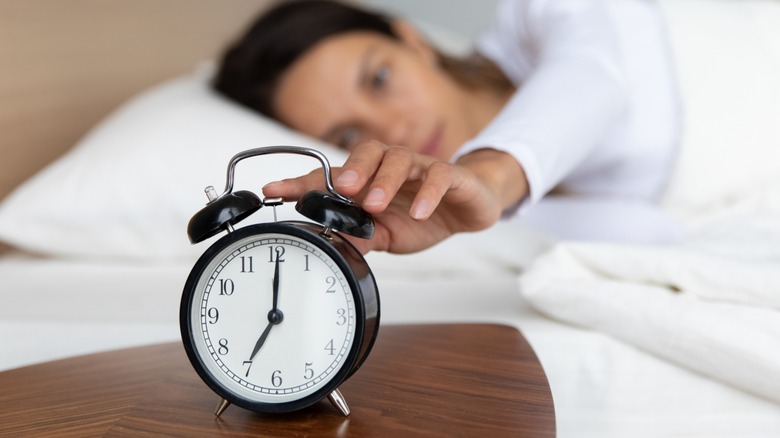
A positive morning routine sets the stage for a productive and fulfilling day. It’s more than just getting ready; it’s about cultivating habits that promote well-being and a sense of control over your day. A well-structured morning routine can help you feel more energized, focused, and prepared to tackle whatever comes your way.A well-planned morning routine can significantly impact your overall well-being and productivity.
By incorporating mindful activities and healthy habits into your morning, you can foster a sense of calm, increase your energy levels, and improve your overall mood.
Effective Morning Activities
A well-structured morning routine incorporates activities that promote wakefulness and prepare the body and mind for the day ahead. These activities can range from simple stretches to more involved practices. Choosing activities that you enjoy will increase the likelihood of maintaining the routine over time.
- Mindful Stretching: Gentle stretching exercises can help improve flexibility, reduce muscle tension, and promote circulation, leading to a more awakened state. This could include simple yoga poses or dynamic stretches.
- Meditation or Deep Breathing Exercises: These practices can calm the mind, reduce stress, and increase focus, setting a positive tone for the day.
- Light Exercise: A short walk, a few minutes of jogging, or some bodyweight exercises can increase blood flow, boost energy levels, and promote mental alertness.
- Reading or Engaging in a Hobby: Dedicate a short period to a hobby or activity you enjoy. This can be anything from reading a book to listening to music, which can be mentally stimulating.
Hydration and Nutrition
Maintaining proper hydration and nutrition are crucial for a successful morning. These elements directly influence energy levels and cognitive function. The body requires adequate fluids and nutrients to perform optimally.
- Hydration: Starting the day with a large glass of water replenishes fluids lost during sleep and kick-starts bodily functions. Water helps regulate body temperature, transport nutrients, and eliminate waste products.
- Nutrient-Rich Breakfast: A balanced breakfast that includes protein, complex carbohydrates, and healthy fats provides sustained energy and helps maintain stable blood sugar levels throughout the morning. Examples include oatmeal with fruit and nuts, yogurt with granola, or whole-grain toast with eggs and avocado.
Sunlight Exposure
Sunlight plays a critical role in regulating the body’s natural wake-up cycle. Exposure to natural light helps reset the circadian rhythm and promotes alertness. This is particularly important for individuals who struggle with waking up in the morning.
- Morning Sunlight Exposure: Opening the curtains or going for a short walk outdoors immediately after waking up can help regulate the body’s natural wake-up cycle, improving alertness and mood.
Personalized Morning Routine Template
A personalized morning routine template can help structure and optimize your daily wake-up. This structure can be adapted based on your individual needs and preferences.
| Time | Activity | Notes |
|---|---|---|
| 7:00 AM | Wake up, get out of bed | Set an alarm that is not too harsh |
| 7:05 AM | Hydration (water) | Drink a large glass of water |
| 7:10 AM | Mindful Stretching/Yoga | 5-10 minutes |
| 7:20 AM | Breakfast | Balanced meal |
| 7:35 AM | Light Exercise (Optional) | Walk, jog, or bodyweight exercises |
| 7:45 AM | Get Ready | Prepare for the day |
| 8:00 AM | Leave for Work/School | Prepare for the day |
Physical Activity
Incorporating physical activity into your morning routine can boost energy levels, improve mood, and enhance cognitive function. Physical activity is not only good for physical health but also for mental well-being.
- Benefits of Morning Exercise: Regular physical activity in the morning can lead to improved sleep quality, increased energy levels, and enhanced focus and concentration throughout the day. It can also contribute to stress reduction and improved mood.
End of Discussion

In conclusion, avoiding oversleeping involves a multi-faceted approach that considers sleep schedules, hygiene practices, and effective alarm strategies. Understanding individual sleep needs, managing stress and potential sleep disorders, and establishing a positive morning routine all contribute to achieving consistent and successful waking. By incorporating the strategies presented, individuals can cultivate a healthier sleep-wake cycle and enjoy more productive mornings.