Anxiety often interferes with sleep, making it difficult to unwind and fall asleep. This guide provides a comprehensive approach to creating a personalized bedtime routine designed to alleviate anxiety and promote restful sleep. By understanding the link between anxiety and sleep, and implementing practical techniques, you can cultivate a healthy sleep-wake cycle.
This guide explores the multifaceted relationship between anxiety and sleep, offering practical strategies for establishing a consistent routine, incorporating relaxation techniques, and creating a calming sleep environment. We will also delve into managing anxious thoughts and addressing potential underlying issues, providing a holistic approach to better sleep and overall well-being.
Understanding Anxiety and Bedtime
Anxiety often significantly impacts sleep quality. The physiological responses to anxiety can interfere with the natural sleep-wake cycle, leading to difficulties falling asleep, staying asleep, or experiencing restful sleep. Recognizing these impacts and triggers is crucial for developing effective bedtime routines to manage anxiety.
Impact of Anxiety on Sleep
Anxiety disorders frequently disrupt sleep patterns. Physiological responses to anxiety, such as increased heart rate, elevated cortisol levels, and racing thoughts, make it challenging to transition into a relaxed state conducive to sleep. These physiological changes interfere with the body’s natural sleep-wake cycle, leading to insomnia or other sleep disturbances. Common anxiety triggers, such as worries about the future, stressful events, or concerns about daily life, further complicate the situation.
Individuals experiencing anxiety often find themselves caught in a cycle of anxious thoughts and difficulty sleeping, exacerbating their anxiety levels.
Common Anxiety Triggers Related to Bedtime
Several factors can trigger anxiety specifically at bedtime. Worries about the day ahead, pending tasks, or future obligations can easily occupy the mind. Additionally, social anxieties, performance pressures, or fears about safety can contribute to heightened anxiety. Negative self-talk, rumination, and intrusive thoughts frequently emerge as bedtime approaches, making it difficult to relax and fall asleep. The quiet and stillness of the night can amplify these anxieties, potentially creating a cycle of worry and sleeplessness.
Types of Anxiety Disorders Affecting Sleep
Various anxiety disorders can significantly impact sleep quality. Generalized anxiety disorder (GAD) often involves chronic worry and tension, making it difficult to unwind and fall asleep. Panic disorder can cause sudden and intense episodes of fear, resulting in disrupted sleep due to panic attacks occurring during the night. Post-traumatic stress disorder (PTSD) can lead to nightmares, flashbacks, and heightened anxiety that disrupt sleep patterns.
Social anxiety disorder can make it challenging to relax in social settings, and the anticipation of social situations can interfere with sleep preparation. Obsessive-compulsive disorder (OCD) can involve intrusive thoughts and repetitive behaviors, leading to anxiety and difficulty sleeping. Furthermore, phobias, which involve intense fear of specific objects or situations, can induce anxiety and sleep disturbances.
Sleep Disturbances Associated with Anxiety
Sleep disturbances associated with anxiety encompass a range of issues. Insomnia, characterized by difficulty falling asleep, staying asleep, or experiencing restful sleep, is a common manifestation. Nightmares and frequent awakenings can occur, disrupting the sleep cycle. Restless leg syndrome (RLS) or periodic limb movements in sleep (PLMS) may be aggravated by anxiety, contributing to disrupted sleep. These various sleep disturbances can have significant implications for overall well-being and daily functioning, further highlighting the importance of addressing anxiety to improve sleep.
Comparison of Anxiety Types and Sleep Impacts
| Anxiety Type | Trigger | Sleep Impact | Coping Mechanism |
|---|---|---|---|
| Generalized Anxiety Disorder (GAD) | Worrying about daily life, future events, or obligations | Difficulty falling asleep, staying asleep, or experiencing restful sleep; racing thoughts | Mindfulness exercises, relaxation techniques, scheduling worry time |
| Panic Disorder | Sudden, intense episodes of fear | Disrupted sleep due to panic attacks; nightmares | Breathing exercises, grounding techniques, therapy |
| Post-Traumatic Stress Disorder (PTSD) | Traumatic experiences | Nightmares, flashbacks, heightened anxiety; disrupted sleep patterns | Trauma-focused therapy, EMDR, relaxation techniques |
| Social Anxiety Disorder | Social situations, fear of judgment | Difficulty relaxing in social settings; anticipation of social situations interfering with sleep preparation | Social skills training, cognitive restructuring, relaxation techniques |
| Obsessive-Compulsive Disorder (OCD) | Intrusive thoughts and repetitive behaviors | Anxiety and difficulty sleeping; repetitive behaviors interfering with sleep | Cognitive Behavioral Therapy (CBT), exposure therapy, mindfulness |
Establishing a Consistent Routine

A consistent bedtime routine is crucial for managing anxiety and promoting healthy sleep. A structured approach can significantly reduce the stress and racing thoughts that often accompany bedtime, allowing the body to wind down naturally and prepare for restful sleep. This predictable routine signals to the body that it’s time to relax, reducing the feeling of uncertainty and anxiety.Establishing a consistent bedtime routine is essential for regulating the body’s natural sleep-wake cycle.
This cycle, known as the circadian rhythm, dictates when we feel sleepy and alert. A predictable routine helps synchronize this rhythm with the environment, making it easier to fall asleep and wake up refreshed. By creating a consistent schedule, individuals can strengthen their body’s internal clock, leading to improved sleep quality and reduced anxiety.
Importance of Consistency
A consistent bedtime routine provides a sense of predictability and control, particularly helpful for individuals experiencing anxiety. Knowing what to expect can lessen feelings of uncertainty and fear, creating a calming effect before bed. This predictability minimizes the chances of racing thoughts and worries that often interfere with sleep. Consistency in the routine reinforces a sense of security and order, reducing the likelihood of anxiety-provoking thoughts.
Benefits of a Structured Routine
A structured bedtime routine promotes the regulation of the body’s natural sleep-wake cycle, helping to establish healthy sleep patterns. This is achieved by creating a predictable sequence of activities that signal to the body it’s time to wind down and prepare for sleep. A structured routine can help reduce anxiety by providing a sense of order and control, allowing individuals to mentally prepare for sleep.
This structured approach aids in minimizing anxiety-provoking thoughts and worries, which often arise during the transition to sleep.
Examples of Bedtime Routines for Different Age Groups
- Infants and Toddlers (0-3 years): A consistent routine, including a warm bath, a story, and quiet playtime, signals to the child that it’s time to sleep. This routine helps them establish a healthy sleep-wake cycle and reduce the stress associated with bedtime. Examples include a calming lullaby, a gentle massage, or a familiar stuffed animal.
- Children (4-12 years): This age group benefits from a routine that incorporates relaxation techniques, such as reading a book, listening to calming music, or engaging in a quiet hobby. A warm bath, a light snack, and a conversation with a parent can help transition them to sleep. Examples include journaling, drawing, or a brief mindfulness exercise.
- Teenagers (13-18 years): Teenagers often have a busier schedule, but a consistent routine remains important. This might involve taking a warm shower, listening to calming music, meditating, or engaging in a quiet activity like journaling. The routine could include a light snack, a conversation with a family member, or a short period of relaxation before bed. Examples could be engaging in a quiet hobby or practicing deep breathing exercises.
- Adults: An adult’s routine could involve a relaxing bath or shower, reading a book, listening to calming music, or practicing relaxation techniques. A light snack, a cup of herbal tea, or a conversation with a partner can help signal the body to wind down. Examples might include meditation, yoga, or progressive muscle relaxation.
Adjusting the Routine to Individual Needs
Adjusting the routine to accommodate individual needs and preferences is crucial. Consider factors such as personal preferences, lifestyle demands, and health conditions. For instance, an individual with a demanding job might need a longer wind-down period. Similarly, someone with a physical condition might require adjustments to the routine. Gradual adjustments are key to avoid disrupting the body’s natural rhythm.
Begin by making small, manageable changes to the existing routine, such as shifting the time of an activity by 15 minutes, and observe how it affects sleep quality. This allows the body to adapt to the new schedule without feeling overwhelmed.
Minimizing Anxiety-Inducing Thoughts
A well-structured routine can minimize anxiety-inducing thoughts before bed. By establishing a predictable sequence of activities, individuals create a sense of control and order, reducing the uncertainty that can fuel anxiety. The predictability of the routine signals to the mind that it’s time to relax and prepare for sleep. This allows the mind to shift its focus away from worries and anxieties, reducing the likelihood of racing thoughts.
Sample Bedtime Routine
| Time | Activity | Duration | Purpose |
|---|---|---|---|
| 7:30 PM | Warm bath/shower | 15-20 minutes | Relax muscles, reduce stress |
| 7:50 PM | Gentle stretching/yoga | 10 minutes | Increase flexibility, promote relaxation |
| 8:00 PM | Read a book | 30 minutes | Distract from worries, promote calmness |
| 8:30 PM | Herbal tea/light snack | 15 minutes | Promote relaxation, satisfy hunger |
| 8:45 PM | Journaling/meditation | 15 minutes | Process thoughts, reduce anxiety |
| 9:00 PM | Lights out | — | Signal sleep time |
Relaxation Techniques for Bedtime
Creating a calming bedtime routine is crucial for managing anxiety and promoting restful sleep. Effective relaxation techniques can significantly reduce pre-sleep anxiety by quieting the mind and body, preparing the nervous system for rest. By incorporating these techniques into your routine, you can establish a healthy association between the act of preparing for bed and feelings of peace and relaxation.Relaxation techniques work by activating the parasympathetic nervous system, which is responsible for the body’s “rest and digest” response.
This system counteracts the sympathetic nervous system’s “fight or flight” response, often triggered by anxiety. By engaging in relaxation practices, individuals can shift their physiological state from a heightened state of arousal to a state of calm and preparedness for sleep.
Progressive Muscle Relaxation
Progressive muscle relaxation involves systematically tensing and releasing different muscle groups in the body. This technique helps to identify and release physical tension, a common contributor to anxiety. Starting with the toes and working your way up to the head, tense each muscle group for a few seconds, focusing on the sensation of tension. Then, release the tension, allowing the muscles to relax completely.
This process helps to create a sense of physical and mental calmness.
Deep Breathing Exercises
Deep breathing exercises are a powerful tool for managing anxiety. They help to regulate the nervous system by slowing down heart rate and breathing, promoting a sense of calm. Various techniques exist, such as diaphragmatic breathing (belly breathing), box breathing, and alternate nostril breathing. In diaphragmatic breathing, focus on the expansion of the abdomen as you inhale, allowing the diaphragm to fully engage.
Box breathing involves inhaling, holding the breath, exhaling, and holding again in a controlled manner, creating a sense of rhythm and control. These techniques can help calm racing thoughts and physical sensations of anxiety.
Mindfulness Practices
Mindfulness practices, such as meditation, can be effective for reducing anxiety before bed. Mindfulness involves focusing on the present moment without judgment. During mindfulness exercises, you might focus on your breath, bodily sensations, or sounds around you. This practice can help to quiet the mind and reduce the tendency to dwell on anxious thoughts. There are many different types of mindfulness exercises, from guided meditations to simple body scans.
By engaging in these practices, you can cultivate a sense of present moment awareness, reducing the tendency to ruminate on anxious thoughts and worries.
Adapting Techniques for Different Situations
Relaxation techniques can be adapted to suit various situations and preferences. For example, if you find that progressive muscle relaxation is too time-consuming, you might focus on a smaller set of muscle groups. If deep breathing exercises don’t seem to be effective, you can explore different breathing patterns. Mindfulness practices can be tailored to individual needs and preferences, allowing you to choose a technique that best suits your circumstances.
Consider the length of time available and the specific anxieties you are experiencing when selecting the most appropriate relaxation technique.
Calming Activities for Bedtime Routine
Incorporating calming activities into your bedtime routine can enhance the effectiveness of relaxation techniques. These activities can include listening to calming music, taking a warm bath or shower, reading a book, or engaging in gentle stretching or yoga. The key is to select activities that are relaxing and conducive to sleep. Consider incorporating activities that have been shown to promote relaxation and well-being, such as journaling or listening to nature sounds.
Table Comparing Relaxation Techniques
| Technique | Description | Benefits | Duration |
|---|---|---|---|
| Progressive Muscle Relaxation | Tensing and releasing muscle groups systematically | Reduces physical tension, promotes relaxation | 15-20 minutes |
| Deep Breathing Exercises | Slowing down breathing rate through various techniques | Regulates nervous system, reduces anxiety | 5-10 minutes |
| Mindfulness Practices | Focusing on the present moment without judgment | Quiets the mind, reduces rumination | 5-20 minutes (or more, depending on practice) |
Creating a Calming Sleep Environment

A conducive sleep environment significantly impacts sleep quality and, consequently, anxiety levels. A well-designed bedroom can promote relaxation and a sense of security, which are crucial for falling asleep and staying asleep without feeling overwhelmed by anxiety. A calm and comfortable sleep environment can contribute to a healthier mental and physical state, thus mitigating the impact of anxiety on sleep.
The Impact of Bedroom Environment on Sleep and Anxiety
The bedroom environment plays a critical role in influencing both sleep quality and anxiety levels. A cluttered, brightly lit, or noisy bedroom can trigger or exacerbate feelings of anxiety, making it difficult to fall asleep and stay asleep. Conversely, a calming and organized space can promote relaxation, reduce anxiety, and improve sleep. This environment acts as a signal to the body that it’s time to rest and recover.
Factors Contributing to a Calming Sleep Environment
Several factors contribute to a calming sleep environment. These include controlling light levels, managing noise, maintaining a comfortable temperature, selecting appropriate bedding and sleepwear, and incorporating aromatherapy. A consistent and predictable environment helps regulate the body’s natural sleep-wake cycle.
Adjusting the Environment for Relaxation and Sleep
Adjusting the bedroom environment to promote relaxation and sleep involves making strategic changes to light, noise, and temperature. This process involves a careful consideration of personal preferences and needs. Understanding the impact of these elements on sleep quality is key to creating an optimal environment.
Controlling Light, Noise, and Temperature
Controlling light, noise, and temperature in the bedroom is vital for a calming sleep environment. Dim lighting signals to the body that it’s time to wind down. Blocking out external noise minimizes distractions and helps create a peaceful atmosphere. Maintaining a comfortable temperature promotes relaxation and helps regulate body temperature for optimal sleep.
- Light Control: Using blackout curtains, eye masks, or dimmable lamps can significantly reduce light exposure, promoting relaxation and sleep. A dark room signals to the body that it’s time to sleep, which can help regulate the sleep-wake cycle.
- Noise Reduction: White noise machines, earplugs, or soundproof curtains can mask distracting noises and create a more peaceful environment. A consistent level of low noise can often be more helpful than complete silence, as it can mask other ambient noises.
- Temperature Regulation: Maintaining a cool room temperature (around 65°F or 18°C) can promote sleep. A slightly cooler temperature helps regulate body temperature, making it easier to fall asleep and stay asleep.
Comfortable Bedding and Sleepwear
Choosing comfortable bedding and sleepwear contributes to a relaxed and calming sleep environment. High-quality bedding materials like breathable cotton or silk can promote a comfortable sleep experience. Soft, lightweight pajamas can further enhance the sense of comfort and relaxation, allowing the body to unwind before sleep.
- Bedding: Consider using a soft, breathable, and supportive mattress, pillows, and blankets that are comfortable for you. The quality of your bedding directly affects your sleep experience.
- Sleepwear: Choose loose-fitting, comfortable sleepwear made from natural fibers like cotton or silk. These materials allow for good airflow and help regulate body temperature, contributing to a more restful sleep experience.
Aromatherapy for a Calming Sleep Environment
Aromatherapy can be a powerful tool for creating a calming sleep environment. Certain scents, like lavender, chamomile, or sandalwood, are known for their relaxing properties. Using essential oils in a diffuser can create a calming atmosphere, promoting relaxation and reducing anxiety.
- Essential Oils: Lavender, chamomile, and sandalwood are often used for their calming properties. A few drops of these essential oils in a diffuser can create a soothing aroma and help promote relaxation.
Table: Elements of a Calming Sleep Environment
| Element | Description | Impact on Sleep | Adjustment Tips |
|---|---|---|---|
| Light | Amount and type of light in the bedroom | Impacts the body’s natural sleep-wake cycle | Use blackout curtains, eye masks, dimmable lamps |
| Noise | Level and type of noise in the bedroom | Distracts from sleep, potentially increasing anxiety | Use white noise machines, earplugs, or soundproof curtains |
| Temperature | Room temperature | Affects body temperature regulation, impacting sleep quality | Maintain a cool temperature (around 65°F or 18°C) |
| Bedding | Type and quality of bedding | Comfort and support affect sleep quality | Choose breathable, supportive, and comfortable materials |
| Sleepwear | Type and comfort of sleep clothing | Comfort and freedom of movement affect sleep | Select loose-fitting sleepwear made from natural fibers |
| Aromatherapy | Use of calming scents | Creates a relaxing atmosphere, reduces anxiety | Use essential oils like lavender, chamomile, or sandalwood in a diffuser |
Managing Thoughts and Worries
Racing thoughts and anxieties often escalate before bedtime, making it challenging to fall asleep. These intrusive thoughts can feel overwhelming, disrupting sleep and contributing to overall anxiety. Effectively managing these thoughts is crucial for establishing a healthy bedtime routine and promoting better sleep quality.Understanding the connection between racing thoughts and anxiety is essential for developing strategies to manage them.
Anxiety can create a heightened state of alertness, leading to a rapid succession of thoughts, often negative or catastrophic in nature. These thoughts can become a self-perpetuating cycle, feeding the anxiety and making it difficult to quiet the mind.
Thought-Stopping Strategies
Intrusive thoughts are a normal part of life, but when they become excessive and interfere with sleep, they require specific strategies. Thought-stopping techniques aim to interrupt these unwanted thoughts and redirect attention. These methods often involve consciously recognizing the thought and replacing it with a more calming or neutral thought. A common technique is using a verbal cue, such as “stop” or “no,” to interrupt the thought train.
Cognitive Reframing
Cognitive reframing involves actively challenging and modifying negative or unhelpful thought patterns. Instead of accepting anxious thoughts as absolute truths, cognitive reframing encourages individuals to reframe them in a more balanced and realistic light. This process often involves identifying the underlying assumptions and biases fueling the anxious thoughts. For example, if a thought is “I will fail this exam, and my life will be ruined,” cognitive reframing might involve questioning this assumption and considering alternative outcomes.
Journaling Techniques
Journaling can be a powerful tool for processing anxieties before bed. Writing down worries, fears, and concerns can help externalize them, reducing their intensity and allowing individuals to gain perspective. This can involve simply listing anxieties or employing more structured approaches like free writing or guided prompts. A key benefit is that journaling can help to identify recurring themes or patterns in anxieties, leading to potential solutions.
Acknowledging and Accepting Anxious Feelings
Acknowledging anxious feelings without judgment is a critical component of managing them. Instead of fighting or suppressing these feelings, individuals can practice mindfulness and observe them without getting swept away by them. This approach can help reduce the power of anxious thoughts and promote a sense of calm. Accepting these feelings is not about condoning them but rather about recognizing their presence without letting them control the individual.
Distraction Techniques
Distraction strategies are often useful for redirecting attention away from anxious thoughts. This could involve engaging in a relaxing activity, such as reading, listening to calming music, or practicing deep breathing exercises. The key is to find activities that provide a positive distraction without creating a sense of avoidance or escapism. Engaging in activities that promote relaxation and engagement, such as light reading, can be beneficial.
Comparison Table of Thought Management Strategies
| Technique | Description | Effectiveness | Application |
|---|---|---|---|
| Thought-Stopping | Interrupting unwanted thoughts with a verbal cue or physical action. | Can be effective in short-term, depending on the individual and the severity of anxiety. | Useful for immediate relief from intrusive thoughts. |
| Cognitive Reframing | Challenging negative thought patterns and replacing them with more realistic and balanced perspectives. | Generally considered highly effective for long-term anxiety management. | Requires conscious effort and practice, but can significantly reduce the power of anxious thoughts. |
| Journaling | Writing down anxieties, fears, and concerns to externalize them and gain perspective. | Effective for processing emotions and identifying patterns. | Can be combined with other techniques for a comprehensive approach. |
| Acceptance and Mindfulness | Observing anxious feelings without judgment and allowing them to be present. | Promotes a sense of calm and reduces the power of anxious thoughts. | Requires practice and can be incorporated into daily life. |
Addressing Underlying Issues
![Your Guide To Creating The Ideal Bedtime Routine [Infographic] - Venngage](https://teknoquest.web.id/wp-content/uploads/2025/09/The_Ideal_Bedtime_Routine__blog_header.png "Your Guide To Creating The Ideal Bedtime Routine [Infographic] - Venngage")
A crucial aspect of establishing a healthy bedtime routine for managing anxiety involves identifying and addressing potential underlying issues. Often, anxiety isn’t a standalone problem but a symptom of deeper concerns. Recognizing these underlying factors can significantly improve the effectiveness of any coping strategies. Understanding the root causes allows for a more holistic approach to managing anxiety and promoting better sleep.Effective anxiety management often requires looking beyond the immediate symptoms.
By digging deeper, individuals can gain a more comprehensive understanding of their experience and develop more personalized strategies for dealing with anxiety. Addressing the root cause can lead to lasting relief and improved well-being.
Identifying Potential Underlying Issues
Many factors can contribute to bedtime anxiety. These range from relatively common stressors to more complex conditions requiring professional attention. Recognizing these potential contributors can help individuals create more targeted strategies for managing their anxiety.
Examples of Common Underlying Issues
Several common underlying issues can contribute to bedtime anxiety. These include, but are not limited to:
- Stressful life events: Major life changes, such as job loss, relationship problems, or financial difficulties, can significantly impact an individual’s mental health and contribute to increased anxiety, especially around bedtime when the mind is more reflective.
- Trauma: Past traumatic experiences, whether significant or seemingly minor, can manifest as anxiety, particularly at night when individuals are more vulnerable to intrusive thoughts and memories.
- Health concerns: Physical health issues, such as chronic pain, sleep disorders, or hormonal imbalances, can trigger or exacerbate anxiety, disrupting sleep patterns and leading to bedtime anxiety.
- Underlying mental health conditions: Conditions like depression, generalized anxiety disorder, or post-traumatic stress disorder (PTSD) can significantly increase the likelihood of bedtime anxiety.
Importance of Seeking Professional Help
When anxiety becomes severe or persistent, seeking professional help is crucial. A mental health professional can provide a comprehensive assessment, develop a personalized treatment plan, and offer support during challenging periods. This includes addressing potential underlying issues that might not be readily apparent.
Role of Therapy and Medication
Therapy plays a vital role in managing anxiety. Cognitive Behavioral Therapy (CBT) and other therapeutic approaches can help individuals identify and challenge negative thought patterns, develop coping mechanisms, and improve overall emotional regulation. Medication, prescribed by a medical doctor, can also be an important part of treatment, particularly for severe or persistent anxiety. It’s important to remember that medication is often used in conjunction with therapy to achieve optimal results.
Identifying Triggers for Anxiety
Recognizing the triggers for bedtime anxiety is a crucial step in developing effective coping strategies. Understanding what situations or thoughts precede anxious feelings allows individuals to anticipate and address these triggers before they escalate.
Common Underlying Anxiety Triggers
| Trigger | Impact | Signs | Management Tips |
|---|---|---|---|
| Financial worries | Increased stress and worry, difficulty relaxing | Racing thoughts, difficulty falling asleep, frequent awakenings | Create a budget, seek financial advice, practice mindfulness techniques |
| Relationship problems | Emotional distress, fear of abandonment | Difficulty concentrating, anxious thoughts, physical tension | Communicate openly with partner, seek couples therapy, engage in relaxation exercises |
| Health concerns | Fear of illness, physical discomfort | Restlessness, racing heart, difficulty breathing, worry about future | Maintain a healthy lifestyle, consult with a doctor, practice self-care |
| Past trauma | Intrusive thoughts, flashbacks, nightmares | Hypervigilance, avoidance behaviors, difficulty sleeping | Seek trauma-informed therapy, utilize grounding techniques, engage in support groups |
Maintaining the Routine Long-Term
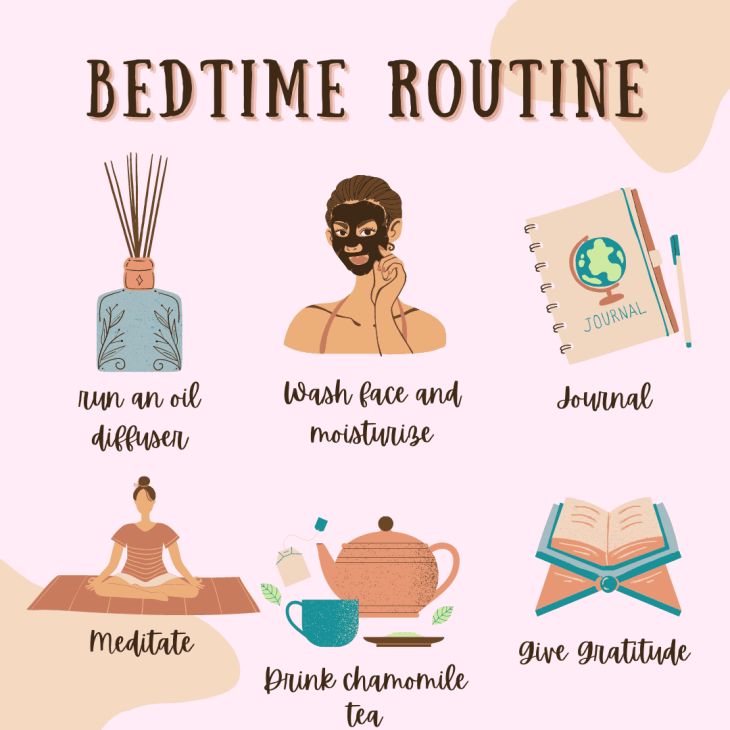
Establishing a consistent bedtime routine is crucial for managing anxiety and improving sleep quality. This routine, however, is not a static entity. It requires flexibility and adaptation to life’s inevitable changes. Maintaining it long-term hinges on understanding its importance, adapting to stressors, and making it enjoyable.
Consistency and Adaptability
Consistency is key to the routine’s effectiveness. Your body and mind become accustomed to the predictable schedule, which helps regulate your natural sleep-wake cycle and reduces anxiety triggers. Life changes, such as travel, holidays, or work-related stress, can disrupt this consistency. However, understanding how to adapt the routine to these situations is essential for its long-term sustainability.
Strategies for adaptation will allow you to maintain a sense of normalcy and well-being even during periods of change.
Adapting to Life Changes
Life throws curveballs, and routines need to be flexible. A good routine allows for adjustment. If your work schedule changes, you might need to shift your bedtime routine slightly. Similarly, unexpected travel might necessitate a temporary alteration. The goal is not rigidity, but rather a framework that can be modified while preserving the core principles of relaxation and consistency.
This adaptability ensures that the routine remains relevant and effective in the long run.
Maintaining the Routine During Travel and Holidays
Travel and holidays can be challenging for maintaining any routine, especially a bedtime routine. A crucial aspect is to maintain as much consistency as possible. If traveling, try to maintain similar sleep and wake times, even if the local time zone is different. Similarly, during holidays, maintaining a similar sleep schedule as your usual routine, despite a change in activities, is crucial.
When traveling, you can adapt the routine by bringing familiar items, such as a comfortable blanket or calming music. This familiarity can help reduce anxiety.
Creating Enjoyable and Sustainable Routine
Making the routine enjoyable and sustainable is vital. This can be achieved by incorporating activities that you genuinely find relaxing. These might include a warm bath, reading a book, or listening to calming music. Personalizing the routine to incorporate your interests makes it less of a chore and more of a comforting ritual.
Adjusting for Sleep Disruptions
Sleep disruptions are inevitable. If you experience a sleepless night, don’t panic. Try not to dwell on it. Continue with the rest of your routine as planned the following day. Consistency is still important.
The goal is to establish a predictable schedule that works for you, not to maintain an absolute sleep perfection.
Potential Challenges and Solutions
Maintaining a long-term routine may face challenges, such as lack of motivation, stress, or unforeseen events. The key is to understand that setbacks are normal. Solutions include setting realistic goals, celebrating small victories, and acknowledging that progress, not perfection, is the key.
Routine Maintenance Strategies
| Situation | Strategy | Implementation | Potential Issues |
|---|---|---|---|
| Work schedule change | Adjust bedtime and wake-up time proportionally | Shift the routine by the same amount of time as the work schedule change. | Difficulty adjusting to the new schedule initially. |
| Unexpected travel | Maintain a similar sleep-wake cycle as usual | Bring familiar items to help create a sense of normalcy. | Disruption from unfamiliar surroundings. |
| Holiday season | Maintain a consistent sleep schedule, incorporating holiday activities | Adjust activities to incorporate relaxation and calming routines. | Increased stress and pressure. |
| Sleep disruption | Continue with the routine as planned the following day. | Avoid dwelling on the disruption. | Difficulty maintaining consistency after the disruption. |
Final Conclusion
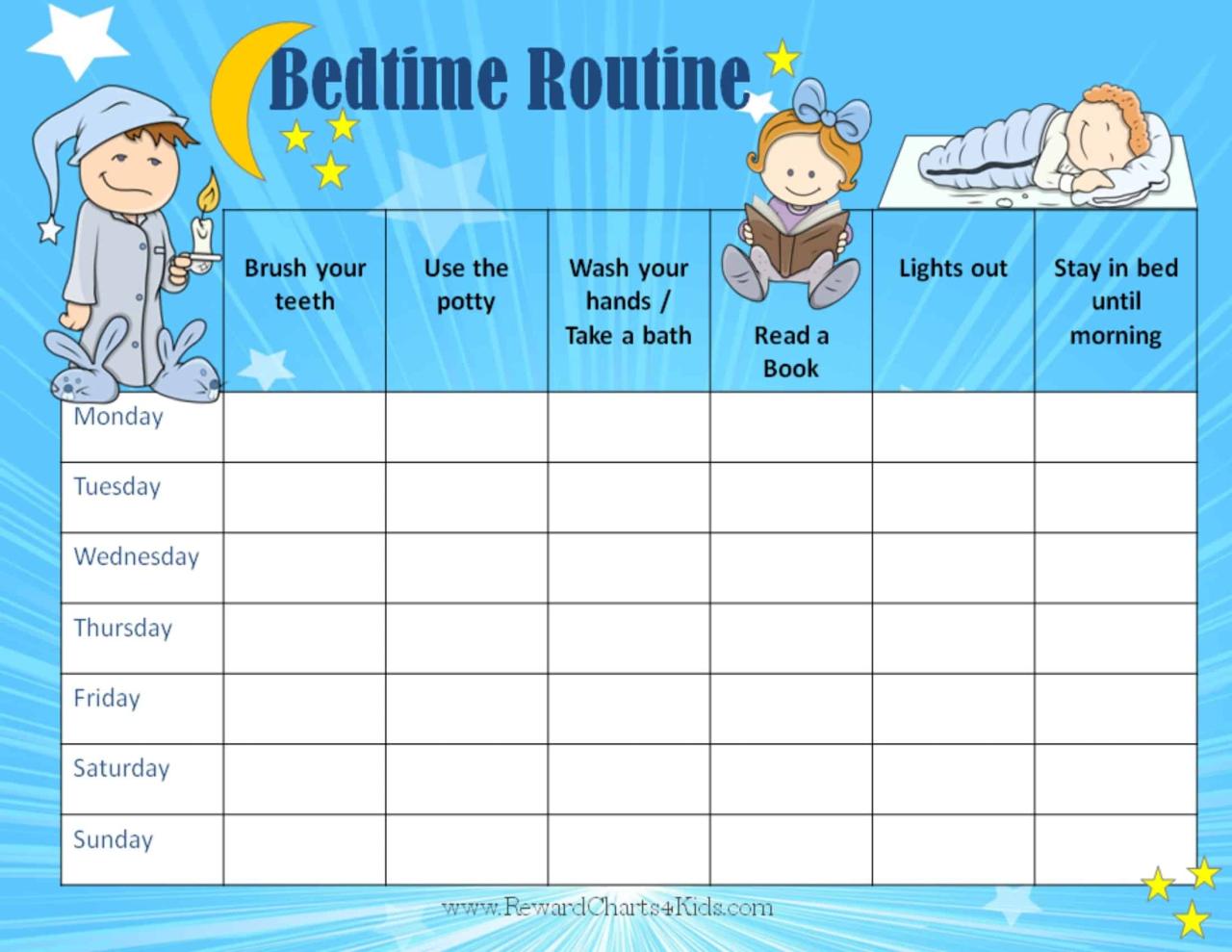
In conclusion, crafting a tailored bedtime routine can significantly improve your sleep quality and reduce anxiety. By understanding the impact of anxiety on sleep, implementing consistent routines, utilizing relaxation techniques, and cultivating a calming environment, you can develop a healthy sleep-wake cycle. Remember that consistency, patience, and a willingness to adjust the routine are key to long-term success.
Addressing underlying issues with professional help when needed can further enhance the effectiveness of this strategy.