Establishing a consistent bedtime routine is crucial for improving sleep quality. This comprehensive guide delves into the science behind sleep, offering practical strategies for creating a personalized routine that works for you. From understanding your individual sleep needs to optimizing your sleep environment, we’ll cover every aspect of building a healthy sleep cycle.
We will explore the different stages of sleep, the impact of sleep deprivation on overall health, and how age affects sleep requirements. Further, we’ll provide actionable steps to identify potential sleep issues, develop calming bedtime activities, and address common sleep disturbances. This guide also considers the influence of technology and screen time on sleep patterns, offering alternative activities and resources to support a better sleep routine.
Understanding Sleep Needs
A healthy bedtime routine is crucial for optimal well-being, but understanding the fundamental aspects of sleep is equally important. Knowing your sleep needs, the stages of sleep, and how sleep deprivation impacts your body allows you to tailor your routine to maximize its effectiveness. This section explores the intricacies of sleep, its relationship with age, and methods for assessing your personal sleep patterns.
Sleep Stages and Their Importance
Sleep is not a uniform state but rather a cyclical journey through distinct stages. These stages, each serving a specific purpose, are crucial for physical and cognitive restoration. Rapid Eye Movement (REM) sleep, characterized by vivid dreams, plays a significant role in memory consolidation and emotional processing. Non-REM (NREM) sleep, further divided into three stages, is vital for physical repair, growth hormone release, and overall rejuvenation.
The transition between these stages, occurring approximately every 90 minutes, is essential for maintaining a healthy sleep cycle. Understanding these stages allows for a deeper appreciation of the importance of a consistent sleep schedule.
Impact of Sleep Deprivation
Chronic sleep deprivation can have detrimental effects on both physical and mental health. Reduced sleep can lead to impaired cognitive function, including difficulty concentrating, remembering, and making decisions. Physically, it can contribute to weakened immunity, increased risk of chronic diseases, and hormonal imbalances. For example, a study by the National Institutes of Health highlighted the link between sleep deprivation and an increased susceptibility to certain illnesses.
These impacts underscore the necessity of prioritizing adequate sleep for overall health and well-being.
Age and Sleep Requirements
Sleep needs vary significantly across different age groups. The developmental stages of childhood, adolescence, and adulthood each require different amounts and types of sleep. Infants, for instance, need a substantial amount of sleep for growth and development. Adolescents experience a shift in their sleep-wake cycle, often leading to later bedtimes and a need for more sleep than adults.
Adults, while requiring less sleep than children, still need sufficient rest to maintain their physical and mental health.
Methods for Assessing Sleep Patterns
Several methods can help you assess your sleep patterns and identify potential issues. Maintaining a sleep diary is a simple but effective technique. A sleep diary can record sleep and wake times, sleep quality, and any associated symptoms or factors. Talking to a healthcare professional can provide insights into potential sleep disorders or underlying medical conditions. They can help to identify potential issues and offer tailored recommendations.
Sleep Needs Across Age Groups
| Age Group | Approximate Sleep Needs (hours) | Important Considerations |
|---|---|---|
| Infants (0-12 months) | 12-16 hours | Frequent naps are crucial for growth and development. |
| Toddlers (1-3 years) | 11-14 hours | Consistency in sleep schedule is vital. |
| Preschoolers (3-5 years) | 10-13 hours | Establish a calming bedtime routine. |
| School-aged Children (6-12 years) | 9-11 hours | Encourage regular physical activity and outdoor time. |
| Teenagers (13-18 years) | 8-10 hours | Address potential sleep-wake cycle shifts. |
| Adults (18+) | 7-9 hours | Prioritize regular sleep schedule and relaxation techniques. |
Creating a Consistent Bedtime Routine
Establishing a consistent bedtime routine is a cornerstone of healthy sleep habits. A well-structured routine signals to the body that it’s time to wind down and prepare for sleep, promoting better sleep quality and duration. This predictability helps regulate the body’s natural sleep-wake cycle, leading to improved overall well-being.A consistent bedtime routine, coupled with a comfortable sleep environment, contributes significantly to better sleep.
This predictability allows the body to anticipate sleep, leading to a smoother transition and a more restful night’s sleep. It also helps to establish healthy sleep habits that can be maintained throughout life.
Benefits of a Regular Bedtime Routine
A regular bedtime routine offers numerous benefits for individuals of all ages. It helps to regulate the body’s natural sleep-wake cycle, reducing the time it takes to fall asleep and improving sleep quality. A predictable routine also minimizes stress and anxiety, creating a sense of security and calm before bed.
How a Routine Regulates the Sleep-Wake Cycle
A consistent bedtime routine helps to regulate the body’s natural sleep-wake cycle, also known as the circadian rhythm. This internal clock is influenced by external cues, such as light and darkness. By establishing a predictable routine, the body learns to associate certain activities with sleep, making the transition easier. This anticipatory mechanism can help regulate melatonin production, a hormone essential for sleep.
Calming Bedtime Activities for Different Age Groups
Consistent routines offer specific benefits to various age groups. For example, toddlers might benefit from a quiet story time or a warm bath before bed, while teenagers might find success with a relaxing reading session or a calming meditation practice.
- Infants (0-12 months): A calming bedtime routine for infants often involves a warm bath, a massage, and a feeding session followed by a quiet playtime and lullabies to signal the time for sleep. This routine fosters a sense of security and relaxation, contributing to their development and sleep.
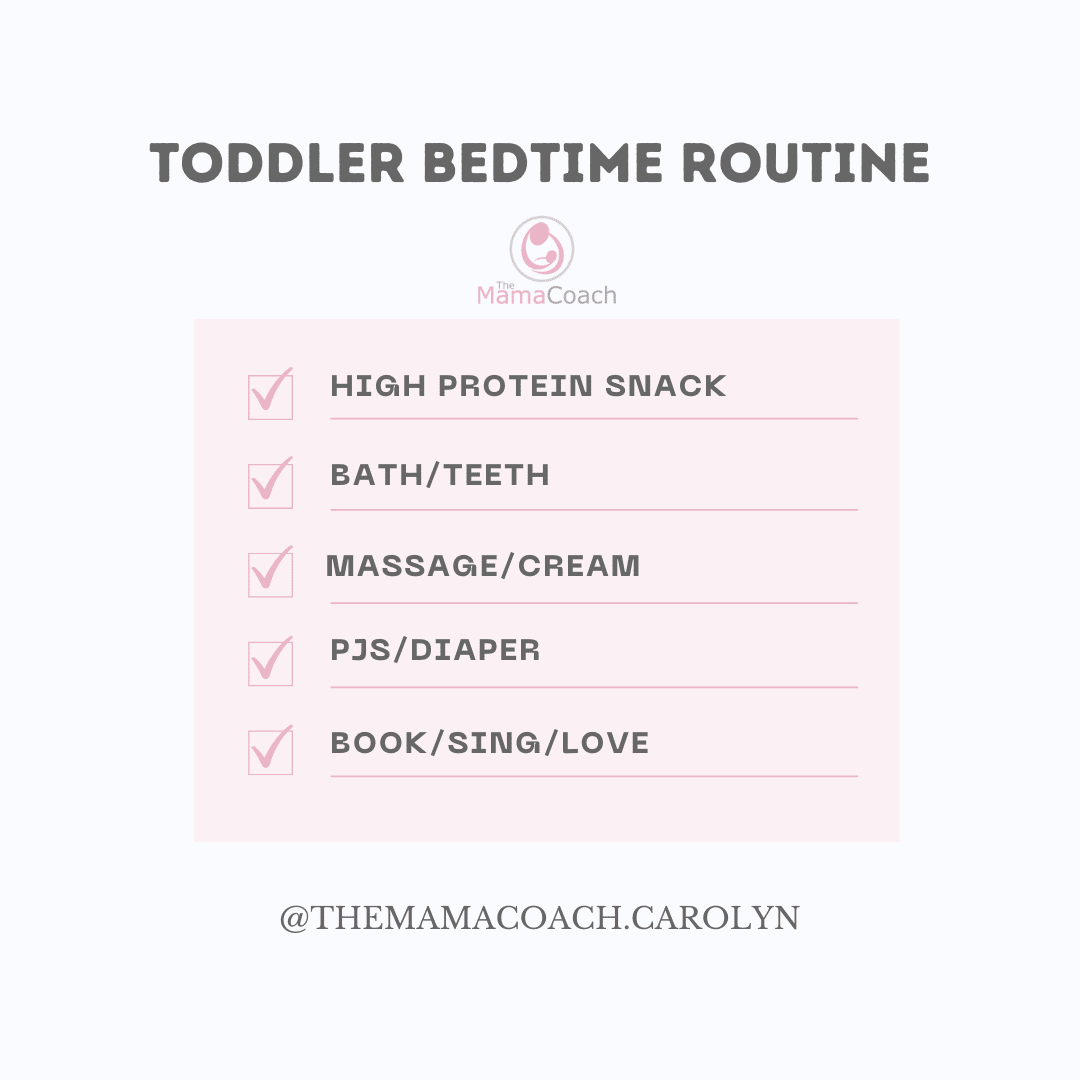
- Toddlers (1-3 years): Toddlers benefit from a gentle bedtime routine including a story, a quiet activity, and a comforting goodnight ritual. This could involve a special song, a hug, or a conversation with a parent. This can help them transition to sleep smoothly.
- Preschoolers (3-5 years): Preschoolers can enjoy quiet playtime, a comforting story, or a conversation with a parent before bed. A warm bath or a relaxing activity can also aid in relaxation and preparation for sleep.
- School-aged Children (6-12 years): Children in this age group often benefit from a structured routine, including a quiet activity like reading, a light snack, and a relaxing bath or shower. A relaxing conversation with family members can contribute to their relaxation and sleep preparation.
- Teenagers (13-19 years): Teenagers might find success with a relaxing reading session, listening to calming music, or a light meditation practice. These activities can help them de-stress from the day and prepare for sleep.
Adjusting Bedtime Routines
Adjustments to bedtime routines are necessary as children grow and develop. Changes in school schedules, social activities, or medical conditions might require modifications. It’s important to be flexible and adapt the routine to meet the evolving needs of the child.
Sample Bedtime Routine for a Teenager
| Time | Activity |
|---|---|
| 8:00 PM | Dinner |
| 8:30 PM | Relaxing activity (e.g., reading, light stretching, listening to calming music). |
| 9:00 PM | Prepare for bed (e.g., brushing teeth, getting dressed for bed). |
| 9:15 PM | Quiet time, reading, or meditation |
| 9:45 PM | Lights out |
Preparing the Sleep Environment
A conducive sleep environment plays a crucial role in achieving quality sleep. Factors such as temperature, light, and noise significantly impact our ability to fall asleep and stay asleep. Creating a relaxing and soothing atmosphere in your bedroom is paramount to establishing a consistent and effective bedtime routine.Optimizing your bedroom environment directly correlates with improved sleep quality. This involves understanding the specific elements that influence your sleep and making thoughtful adjustments to promote relaxation and restful slumber.
By addressing the factors affecting your sleep environment, you can foster a space conducive to healthy sleep habits.
Importance of a Relaxing Atmosphere
Creating a relaxing atmosphere in your bedroom is vital for promoting a sense of calm and well-being. A soothing environment helps signal to your body that it’s time to wind down and prepare for sleep. This process is critical for initiating the natural sleep-wake cycle and reducing stress, which is a common barrier to quality sleep. A relaxing bedroom environment fosters a sense of security and comfort, contributing to a more positive sleep experience.
Key Factors Affecting Sleep Quality
Several factors significantly influence sleep quality. Temperature, light, and noise are key elements that can disrupt sleep patterns. Maintaining an optimal temperature, minimizing light exposure, and reducing noise levels are essential for creating a conducive sleep environment. These factors directly impact the quality and duration of sleep.
Temperature Regulation
Maintaining the right temperature in your bedroom is essential for optimal sleep. A slightly cool room, ideally between 60-67°F (15.5-19°C), is often reported to be most conducive to sleep. This temperature range allows your body to naturally cool down, promoting deeper sleep. Avoid excessively warm or cold temperatures, as these can disrupt your sleep cycle. Consider using a thermostat to maintain a consistent temperature throughout the night.
Light Control
Light exposure significantly impacts your body’s natural sleep-wake cycle. Bright light signals to your brain that it’s time to be awake. To promote sleep, minimize light exposure in the bedroom. Use blackout curtains or blinds to block out external light sources. Dim the lights in the hours leading up to bedtime.
Using a sleep mask can also effectively block out light and create a darker environment.
Noise Reduction Strategies
Noise disturbances can significantly disrupt sleep. External noises, such as traffic or construction, can prevent you from falling asleep or waking you up during the night. To mitigate noise disruption, consider using earplugs, white noise machines, or sound-absorbing materials in your bedroom. These strategies can create a quieter environment, promoting a more peaceful sleep experience.
Optimal Bedroom Conditions for Sleep
The following table Artikels optimal bedroom conditions for sleep, including temperature, light levels, and noise reduction techniques.
| Factor | Optimal Condition | Strategies |
|---|---|---|
| Temperature | 60-67°F (15.5-19°C) | Use a thermostat, adjust bedding |
| Light Levels | Minimal | Blackout curtains, sleep mask, dim lighting |
| Noise Levels | Minimal | Earplugs, white noise machine, sound-absorbing materials |
Developing Relaxing Bedtime Activities
Establishing a relaxing bedtime routine is crucial for promoting healthy sleep. A calm and peaceful environment signals to your body that it’s time to wind down, preparing it for a restful night’s sleep. Incorporating activities that soothe the mind and body can significantly enhance sleep quality and duration.
Relaxation Techniques for Sleep
Various relaxation techniques can be incorporated into a bedtime routine to promote sleep. These techniques aim to reduce stress, calm the nervous system, and induce a state of relaxation conducive to sleep onset. Deep breathing exercises, for example, can effectively lower heart rate and blood pressure, creating a sense of calm. Meditation, another powerful tool, trains the mind to focus on the present moment, minimizing racing thoughts and anxieties that often interfere with sleep.
Calming Bedtime Activities
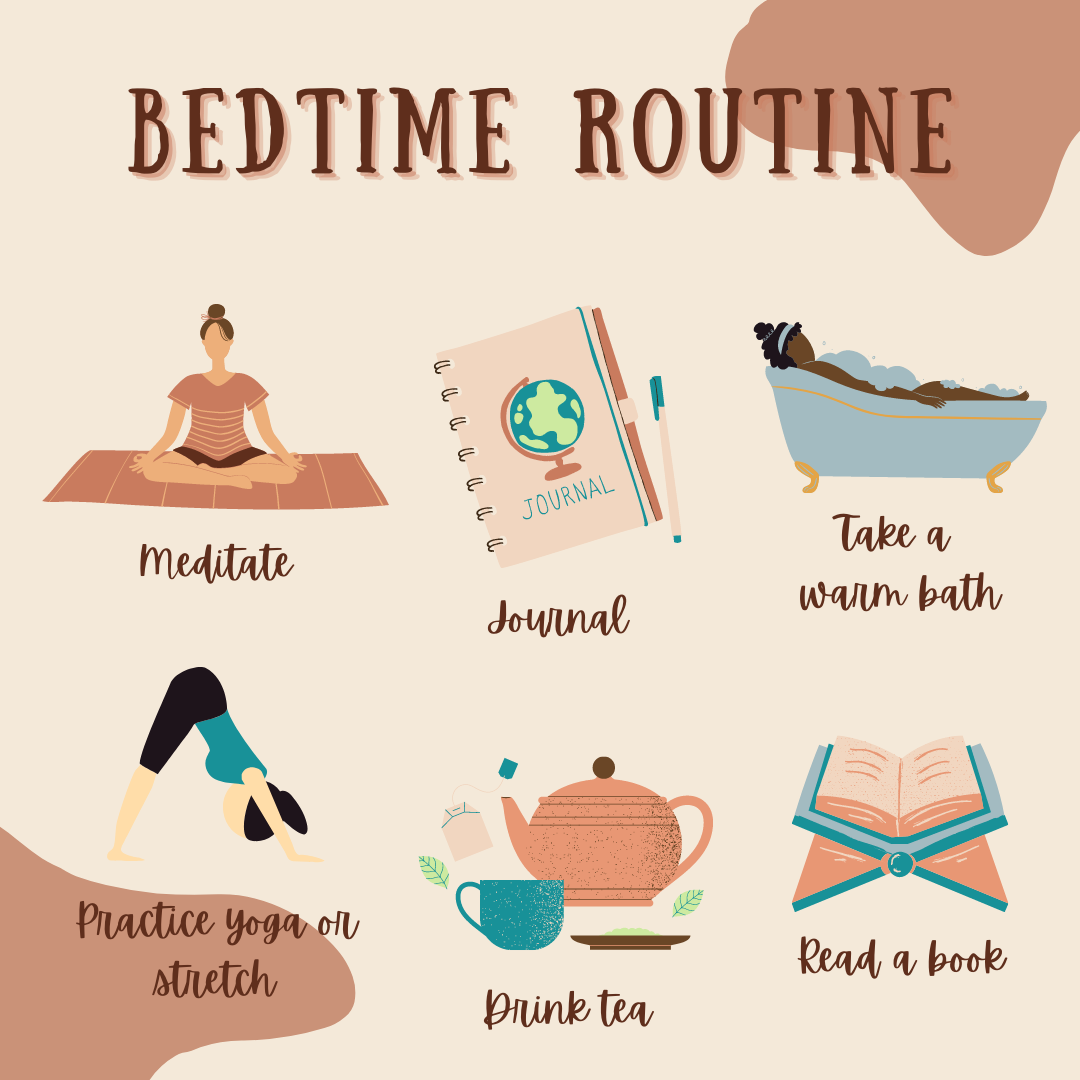
A range of calming activities can be integrated into a bedtime routine to promote relaxation. These activities can vary depending on individual preferences and age. Reading a book, listening to calming music, or taking a warm bath are popular choices for many. Gentle stretching or yoga poses can also help to release tension in the body, preparing it for sleep.
Spending time in nature, such as listening to the sounds of rain or wind, can also create a soothing environment.
Incorporating Mindfulness Practices
Mindfulness practices, which focus on being present in the moment without judgment, can be seamlessly integrated into bedtime routines. These practices can help to quiet the mind and reduce racing thoughts. Mindful breathing exercises, where attention is focused on the sensation of each breath, are a simple and effective way to cultivate mindfulness. A mindful body scan, where attention is brought to different parts of the body, can also be helpful in releasing physical tension.
Choosing Activities for Different Age Groups
Choosing suitable activities depends heavily on the age and preferences of the individual. For young children, calming stories, lullabies, or gentle rocking can be effective. Older children and teenagers might find reading, listening to calming music, or journaling helpful. Adults might find activities like taking a warm bath, practicing yoga, or listening to guided meditations more suitable.
Comparison of Relaxation Techniques
Different relaxation techniques vary in their effectiveness for promoting sleep. Deep breathing exercises are generally accessible and effective for quickly inducing a state of calm. Meditation, while potentially more challenging to master initially, can offer longer-lasting benefits by promoting a sense of inner peace. Yoga and stretching can be particularly helpful for releasing physical tension, which can contribute to improved sleep quality.
Ultimately, the best technique is the one that the individual finds most enjoyable and effective. Consistency and regular practice are key to maximizing the benefits of any relaxation technique.
Addressing Potential Sleep Problems
Establishing a consistent bedtime routine is a crucial step toward better sleep, but occasional or persistent sleep disturbances can still arise. Understanding the potential causes and employing effective strategies for managing these issues is equally important. This section will explore common sleep problems, the role of diet and nutrition, potential underlying medical conditions, and steps to take when sleep problems persist.Sleep is a complex biological process, and disruptions can stem from a variety of factors.
Identifying these factors and implementing appropriate solutions is key to regaining restful sleep.
Common Sleep Disturbances and Their Causes
Common sleep disturbances include insomnia, nightmares, sleep apnea, and restless legs syndrome. Insomnia, characterized by difficulty falling asleep, staying asleep, or experiencing unrefreshing sleep, can result from stress, anxiety, lifestyle changes, or underlying medical conditions. Nightmares, vivid and disturbing dreams, may stem from stress, anxiety, or exposure to traumatic events. Sleep apnea, a condition characterized by pauses in breathing during sleep, can be linked to obesity, nasal congestion, or certain medical conditions.
Restless legs syndrome involves an irresistible urge to move the legs, often accompanied by uncomfortable sensations, and may be associated with underlying neurological conditions or nutritional deficiencies.
Strategies for Managing Common Sleep Issues
Effective strategies for managing sleep disturbances include lifestyle modifications, relaxation techniques, and, in some cases, professional intervention. For insomnia, strategies such as establishing a consistent sleep schedule, practicing relaxation techniques like deep breathing or progressive muscle relaxation, and avoiding caffeine and alcohol close to bedtime can be helpful. Cognitive behavioral therapy for insomnia (CBT-I) can be particularly effective in addressing persistent insomnia.
For nightmares, keeping a dream journal, identifying potential triggers, and practicing stress-reduction techniques can help. Addressing sleep apnea with lifestyle changes like weight loss or using CPAP therapy can improve breathing during sleep. Restless legs syndrome may respond to certain medications, lifestyle adjustments, or in some cases, underlying medical condition treatment.
Diet and Nutrition in Sleep Quality
Dietary choices significantly impact sleep quality. A balanced diet rich in fruits, vegetables, and whole grains can promote healthy sleep patterns. Conversely, consuming large meals or sugary foods close to bedtime can interfere with sleep. Consuming foods high in tryptophan, an amino acid that helps regulate sleep, can promote a more restful sleep. Avoiding excessive caffeine and alcohol intake, especially in the evening, is crucial for optimizing sleep.
Identifying and Addressing Potential Underlying Medical Conditions
Underlying medical conditions can significantly affect sleep. Conditions such as sleep apnea, restless legs syndrome, and certain neurological disorders can disrupt sleep. If you suspect an underlying medical condition, consulting a healthcare professional is essential. Regular checkups and honest communication with your doctor about any unusual sleep patterns are crucial for early detection and appropriate treatment. Doctors can perform physical examinations and order tests to identify potential underlying medical conditions.
Addressing Persistent Sleep Problems
If sleep problems persist despite implementing a consistent bedtime routine, further evaluation and intervention may be necessary. Consult a healthcare professional for a comprehensive assessment. A sleep specialist can conduct a sleep study to determine the underlying cause of the sleep disturbance. The specialist may recommend further testing, adjustments to medications, or referral to other specialists to address potential medical conditions affecting sleep.
Following a sleep specialist’s advice and engaging in active communication can lead to effective treatment and improved sleep quality.
Incorporating Technology and Screen Time
Modern life is deeply intertwined with technology, and its impact on sleep patterns is undeniable. Exposure to electronic devices, especially before bedtime, can significantly disrupt the natural sleep-wake cycle. Understanding how technology affects sleep and implementing strategies to manage screen time is crucial for achieving optimal sleep quality.The ubiquitous nature of smartphones, tablets, and computers makes it easy to engage with them throughout the day, often extending into the evening hours.
The blue light emitted from these devices can suppress melatonin production, the hormone essential for regulating sleep. This disruption can lead to difficulty falling asleep, shorter sleep duration, and reduced sleep quality, which in turn can affect mood, focus, and overall health.
Impact of Technology on Sleep Patterns
Exposure to screens, particularly in the hours leading up to bedtime, can negatively impact sleep onset and duration. The blue light emitted from screens interferes with the body’s natural sleep-wake cycle by suppressing melatonin production, a hormone crucial for initiating sleep. Studies have shown a correlation between increased screen time before bed and poorer sleep quality, including difficulty falling asleep, reduced sleep duration, and increased sleep latency.
These negative impacts can have cascading effects on daily functioning, impacting mood, concentration, and overall well-being.
Strategies for Managing Screen Time Before Bed
Establishing clear boundaries around screen time before bed is essential for improving sleep quality. A gradual reduction in screen time leading up to bedtime can help mitigate the negative effects of blue light exposure. Setting specific times for putting away devices and sticking to these times consistently is vital for establishing a healthy sleep routine. Creating a technology-free “wind-down” period of at least an hour before bed can be highly beneficial.
Tips for Creating a Technology-Friendly Sleep Environment
Creating a sleep-conducive environment minimizes the temptation to use screens before bed. Designating a specific area for relaxation and sleep is critical, where technology use is limited or entirely prohibited. Keeping devices outside the bedroom, or at least out of sight, can minimize the allure of checking social media or email. Consider utilizing screen-limiting features on your devices, like app-specific time limits or “do not disturb” settings.
Alternative Activities to Replace Screen Time Before Bed
Engaging in relaxing activities before bed can effectively transition the mind and body towards sleep. Activities like reading a book, listening to calming music, taking a warm bath, or practicing gentle yoga or stretching can promote relaxation and prepare the body for sleep. Engaging in creative hobbies like drawing or journaling can also be beneficial in reducing stress and promoting a peaceful state of mind.
Spending quality time with loved ones through conversation can be a fulfilling alternative to screen time.
List of Apps and Resources for a Better Sleep Routine
Numerous apps and resources can support a better sleep routine by providing tools for tracking sleep, managing screen time, and promoting relaxation.
- Sleep Cycle: This app uses sound and movement sensors to track sleep stages and provide insights into sleep quality.
- Calm: This app offers guided meditations, sleep stories, and relaxing music to promote relaxation and improve sleep.
- Forest: This app helps users stay focused by allowing them to grow a virtual tree that withers if they use their phone.
- SleepScore: This app analyzes sleep data from your phone to provide insights into sleep quality and patterns.
These apps can assist in tracking and improving sleep habits, helping users better understand their sleep patterns and adjust their routines for optimal sleep quality.
Creating a Routine for Different Age Groups
Establishing a consistent bedtime routine is crucial for healthy sleep development across all age groups. Tailoring routines to individual needs and developmental stages is essential for success. This section will Artikel age-appropriate routines, adjustments for growth, and strategies for engagement.Understanding that each child (and adult) is unique is vital. Routines should be flexible and adaptable to individual personalities and preferences.
A consistent routine fosters a sense of security and predictability, which are fundamental for promoting healthy sleep habits.
Bedtime Routines for Infants
A predictable bedtime routine for infants establishes a link between specific cues and sleep. This helps their bodies understand when it’s time to wind down. Consistency in the routine reinforces a sense of security and helps infants regulate their internal clocks. Common elements include a warm bath, a feeding, soothing lullabies, and gentle massage. Keeping the environment dark and quiet is also important.
An example routine might include a bath at 7:00 PM, followed by feeding at 7:15 PM, lullabies at 7:30 PM, and settling in for sleep by 7:45 PM.
Bedtime Routines for Toddlers
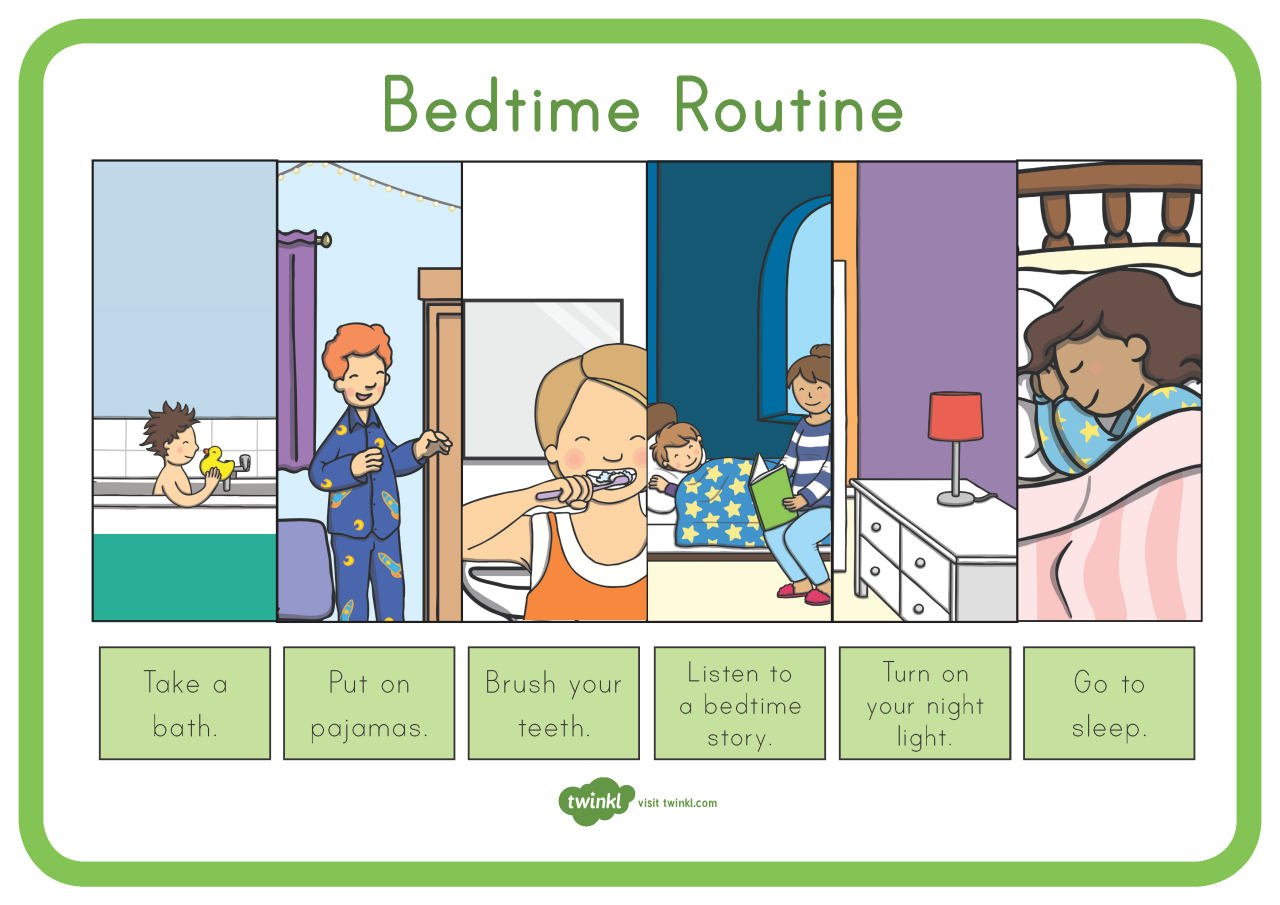
Toddlers are transitioning from infancy to childhood, and their routines should reflect this. While the basic elements of a calming routine remain important, introducing elements of participation can be beneficial. For example, choosing pajamas, brushing teeth, and reading a book can help instill a sense of independence and responsibility. A common routine might include a bath at 7:30 PM, brushing teeth and getting dressed in pajamas at 7:45 PM, followed by a story and a final cuddle at 8:00 PM.
Consistency is key to establishing a positive association with bedtime.
Bedtime Routines for Children
As children grow, their routines should evolve. They become more capable of participating in the process. Involving them in the preparation, like choosing a book or picking out their pajamas, can increase their sense of ownership and control. They may also enjoy a quiet activity, like coloring or playing a board game, before bed. A sample routine could include a relaxing activity like drawing or playing with blocks at 7:45 PM, followed by a warm bath at 8:00 PM, brushing teeth, getting into bed, and a final story at 8:30 PM.
Bedtime Routines for Teens
Teenagers often face unique challenges in maintaining a consistent bedtime routine. Hormonal changes and increased social demands can make it harder to establish regular sleep schedules. It’s essential to be flexible and work with their schedules as much as possible. While maintaining a consistent sleep-wake schedule is vital, teens might benefit from a more relaxed bedtime routine, such as a conversation, a relaxing hobby, or listening to calming music.
The key is to help them transition to a relaxed state before sleep.
Bedtime Routines for Adults
Adult routines should be tailored to individual needs and preferences. This might involve a warm bath, meditation, or light reading. Consistency and relaxation techniques are important. A routine could involve a relaxing activity like reading a book, listening to calming music, or practicing mindfulness exercises at 9:30 PM, followed by getting into bed at 10:00 PM.
Adjusting Routines as Children Grow
As children progress through different developmental stages, their bedtime routines should adapt accordingly. This includes adjusting the duration and complexity of activities to match their abilities and interests. For instance, as children grow, you can gradually increase the time spent on activities like brushing teeth or selecting pajamas.
Engaging Children in their Bedtime Routine
Involving children in their bedtime routine can increase their sense of ownership and responsibility. Giving them choices, like selecting a book or choosing their pajamas, can make the routine more enjoyable. This fosters a positive association with bedtime. Engaging children through activities like drawing or a short story can help them transition to a relaxed state before sleep.
Modifying Routines for Specific Needs
For children with special needs, a bedtime routine should be tailored to their specific requirements. This might involve a modified approach to activities or sensory needs. For instance, a child with autism might benefit from a highly structured routine with visual cues, or a child with ADHD might benefit from a calming activity like a quiet craft.
Comparing and Contrasting Bedtime Routines for Different Age Groups
| Age Group | Routine Focus | Typical Activities | Duration |
|---|---|---|---|
| Infants | Establishing a link between cues and sleep | Bath, feeding, lullabies, massage | 30-60 minutes |
| Toddlers | Promoting independence and responsibility | Choosing pajamas, brushing teeth, reading a story | 45-75 minutes |
| Children | Increased participation and ownership | Relaxing activity, bath, brushing teeth, story | 60-90 minutes |
| Teens | Balancing social demands with sleep needs | Relaxing activity, conversation, listening to calming music | 60-90 minutes (or flexible) |
| Adults | Individual needs and preferences | Relaxing activity, meditation, light reading | Variable, depending on individual preference |
Promoting Consistency and Patience
Establishing a consistent bedtime routine is crucial for optimizing sleep. A predictable schedule signals to your body that it’s time to wind down, preparing it for restful sleep. This predictability reduces stress and anxiety, contributing to better sleep quality and overall well-being. Consistency also helps regulate your body’s natural sleep-wake cycle, known as the circadian rhythm.Maintaining a consistent routine, even with daily disruptions, is key to long-term sleep success.
Unexpected events, such as travel, social engagements, or illness, can disrupt established patterns. Flexibility is important, but maintaining a general framework of the routine is essential to help your body adjust. This allows you to gradually adjust to changes while preserving the benefits of a regular sleep schedule.
Strategies for Maintaining Consistency
Consistency in a bedtime routine requires proactive strategies. These strategies allow for the management of daily disruptions while upholding the benefits of a regular schedule.
- Prioritize Scheduling: Schedule your bedtime routine as you would any important appointment. Treat it as non-negotiable. This prioritization helps in maintaining a schedule that is as consistent as possible. Building this routine into your daily schedule reinforces its importance and increases the likelihood of adherence.
- Flexibility with Structure: While maintaining a consistent schedule is vital, be prepared to adjust to unforeseen circumstances. If a late-night event arises, try to still maintain the core elements of your routine, even if the timing is slightly different. For example, if your usual bedtime is 10:00 PM and a late-night event occurs, try to have a relaxing activity, such as reading, 30 minutes before your usual bedtime.
This will still help your body adjust to a routine while still accommodating the disruption.
- Anticipate Disruptions: Recognize potential disruptions in your schedule, such as travel or social engagements. Plan ahead by adjusting your routine slightly in advance to accommodate the disruption. This could involve shifting your bedtime or wake-up time by a few minutes or hours to compensate for the upcoming event. The key is to prepare for potential changes without abandoning the core principles of your routine.
Addressing Setbacks and Maintaining Positivity
Setbacks are a natural part of the process of creating a consistent sleep routine. These can be a result of various factors such as stress, illness, or unexpected changes in schedule.
- Understanding Setbacks: Recognize that setbacks are not failures. Instead, view them as opportunities to learn and adapt. Understanding the underlying causes of setbacks can help you develop strategies to address them more effectively.
- Positive Self-Talk: Focus on the progress you’ve made, rather than dwelling on setbacks. Positive self-talk can boost motivation and reinforce a positive approach to sleep improvement. This includes acknowledging your efforts, even when the results aren’t immediately visible. Positive reinforcement can help maintain a positive attitude towards sleep improvement.
- Adjusting the Routine: If a specific aspect of your routine is consistently causing setbacks, be prepared to adjust it. For example, if a particular bedtime activity is proving too stimulating, consider substituting it with a more relaxing alternative. If necessary, re-evaluate your routine and make changes to address any identified challenges. Adapting your routine can be a vital part of overcoming setbacks.
Adjusting to Routine Changes
Routine changes can be stressful, but a gradual approach helps.
- Gradual Adjustments: When making significant changes to your routine, such as changing your bedtime or wake-up time, do so gradually. Making small, incremental adjustments helps your body and mind adapt more smoothly to the changes, reducing potential discomfort. This approach minimizes the disruption to your sleep-wake cycle.
- Monitoring Progress: Pay close attention to how your body and mind respond to routine changes. If you notice any negative effects, such as increased fatigue or difficulty concentrating, you may need to adjust the rate of change. Regular monitoring helps determine if the changes are impacting sleep in a negative way. By monitoring, you can identify and address potential problems before they escalate.
- Seeking Support: Don’t hesitate to seek support from a healthcare professional or sleep specialist if you’re struggling to adjust to routine changes. Professional guidance can provide tailored advice and support for your specific needs. Seeking professional support can provide guidance and strategies to address the difficulties more effectively.
Importance of Patience and Persistence
Creating a successful bedtime routine requires patience and persistence. Immediate results are not guaranteed, and setbacks are normal. It’s important to understand that building a healthy sleep routine takes time and commitment.
- Long-Term Perspective: Focus on the long-term benefits of a consistent bedtime routine. The improved sleep quality and overall well-being are significant rewards for the effort and patience you put in. Understanding that this is a long-term investment, rather than a quick fix, helps maintain motivation and persistence.
- Celebrate Small Victories: Acknowledge and celebrate your progress, no matter how small. This positive reinforcement helps maintain motivation and commitment to the process. Acknowledging the progress you make, even on less significant days, is a powerful motivator to maintain the routine.
Final Summary

In conclusion, crafting a personalized bedtime routine is a journey toward better sleep. By understanding your sleep needs, optimizing your sleep environment, and incorporating relaxing activities, you can create a routine that promotes restful sleep and enhances your overall well-being. Remember consistency and patience are key to establishing a successful routine, and remember to adapt your routine as needed.
This guide provides a roadmap for creating a positive and healthy sleep pattern for all ages.