Establishing a consistent bedtime routine for children is crucial for their overall well-being and development. A structured routine promotes healthy sleep habits, reduces bedtime struggles, and fosters a sense of security and predictability. This guide provides a comprehensive overview of how to create a tailored bedtime routine that caters to different age groups, addresses common challenges, and maintains flexibility for special occasions.
This guide delves into the essential components of a successful bedtime routine, from defining its purpose and key elements to creating a calming atmosphere and overcoming potential obstacles. We will explore activities suitable for different ages, strategies for maintaining consistency, and practical solutions for common challenges parents encounter. Detailed examples and visual aids will enhance understanding and application.
Defining a Bedtime Routine

A consistent bedtime routine is a structured sequence of activities that signals to a child’s body and mind that it’s time to wind down and prepare for sleep. This predictable routine helps children regulate their internal clocks, promoting healthy sleep patterns and overall well-being. A well-established routine can also reduce bedtime anxieties and make the transition to sleep smoother for both children and parents.Establishing a bedtime routine offers numerous benefits for children’s development.
It creates a sense of security and predictability, fostering emotional stability and reducing stress. A consistent routine helps regulate their circadian rhythm, promoting better sleep quality and duration, which in turn positively impacts their mood, concentration, and overall health.
Definition of a Bedtime Routine
A bedtime routine is a series of calming activities performed consistently before bedtime. These activities help signal to the child’s body and brain that it’s time to prepare for sleep. This predictability and consistency reduce anxiety and promote a smoother transition to sleep.
Purpose and Benefits of a Bedtime Routine
A well-structured bedtime routine serves several crucial purposes. It provides a predictable structure to the child’s day, reducing stress and promoting a sense of security. A consistent routine aids in regulating the child’s internal clock, or circadian rhythm, promoting healthy sleep patterns. This, in turn, positively impacts their mood, concentration, and overall development.
Key Elements of a Bedtime Routine
A typical bedtime routine often includes a sequence of activities that progressively calm and prepare the child for sleep. These elements should be tailored to the individual child’s needs and preferences. Here are some key elements:
- Relaxing Activities: Activities like reading a book, listening to calming music, or taking a warm bath can help to calm the child’s mind and body. These activities should be quiet and promote a sense of peacefulness. For example, gentle stretching exercises or a quiet playtime with a favorite toy could be included.
- Hygiene Practices: Brushing teeth and getting ready for bed are essential components of a routine. These practices contribute to a sense of order and preparation for sleep.
- Emotional Connection: Spending quality time with the child, through conversation or cuddles, is vital for building a strong parent-child bond. This connection fosters security and a sense of belonging, crucial for emotional well-being. For example, a bedtime story, a quiet chat, or a warm hug can provide this connection.
- Preparation for Sleep: Putting away toys, tidying up the room, and making sure the child’s environment is conducive to sleep (dark, quiet, cool) are essential steps in preparing for sleep.
Importance of Consistency
Consistency is paramount in establishing a successful bedtime routine. A predictable schedule helps regulate the child’s internal clock and promotes healthy sleep patterns. Children thrive on routine, and a consistent bedtime routine helps them anticipate and adjust to the natural sleep-wake cycle. The regularity of the routine reinforces a sense of security and predictability, reducing bedtime anxieties.
For example, if the routine is consistently followed, the child will learn to associate the activities with sleep time, which will make it easier to fall asleep.
Sample Bedtime Routine
The following table provides a sample bedtime routine. Adjust the times and activities to fit your child’s needs and preferences.
| Time | Activity | Explanation |
|---|---|---|
| 7:00 PM | Bath Time | A warm bath can help relax the child and prepare them for sleep. |
| 7:30 PM | Brush Teeth | Ensuring good oral hygiene. |
| 7:45 PM | Pajama Time | Getting into pajamas signals the transition to bedtime. |
| 8:00 PM | Read a Story | Reading a book together promotes relaxation and a sense of closeness. |
| 8:30 PM | Quiet Time/Cuddles | Quiet playtime or cuddles with the parent can foster emotional connection. |
| 8:45 PM | Lights Out | Turning off the lights signals the end of the day and preparation for sleep. |
Activities for a Bedtime Routine
Establishing a consistent bedtime routine is crucial for children’s well-being and sleep. A structured routine signals to their bodies that it’s time to wind down and prepare for sleep. This predictability helps regulate their internal clocks, leading to improved sleep quality and overall health.A well-designed bedtime routine should include a sequence of calming activities that gradually transition the child from active wakefulness to peaceful sleep.
These activities should be tailored to the child’s age and developmental stage, ensuring they are both engaging and relaxing. This approach fosters positive associations with bedtime, making the transition smoother and more enjoyable.
Age-Appropriate Activities
A well-structured bedtime routine should be tailored to the child’s age. Toddlers, preschoolers, and school-aged children require different types of activities to prepare them for sleep. The activities should be age-appropriate, promoting relaxation, and creating positive associations with bedtime.
- Toddlers (18-36 months): Toddlers benefit from simple, predictable routines. Activities that promote calmness and relaxation are key. For example, a warm bath, a storybook with gentle illustrations, or a lullaby sung by a parent. The key is to keep it short and sweet, focusing on creating a sense of comfort and familiarity. Engaging with a favourite soft toy during these activities can be very soothing.
- Preschoolers (3-5 years): Preschoolers are developing their imaginations and social skills. They often enjoy interactive activities. Engaging in quiet play, such as puzzles, coloring, or building blocks, can help them transition from active play to sleep mode. Reading a book together, singing songs, or participating in a quiet craft project can be effective in creating a calming atmosphere. A comforting cuddle or a shared quiet activity can be reassuring.
- School-aged Children (6-12 years): School-aged children require more complex routines to prepare for sleep. Activities like quiet games, listening to calming music, or journaling about their day can be helpful. These activities can promote relaxation and help them process their emotions before sleep. They might also enjoy a relaxing activity like drawing or a guided meditation. A warm bath, followed by a light snack, and a bedtime story can also be beneficial.
Relaxation and Calmness-Promoting Activities
Activities that promote relaxation and calmness are crucial for a successful bedtime routine. These activities help to reduce stress and anxiety, allowing children to transition smoothly into a state of relaxation. The key is to avoid stimulating activities that might excite them.
- Quiet Play Activities: Engaging in quiet activities, such as puzzles, coloring, or building blocks, can help children transition from active play to a more relaxed state. The focus should be on calming and engaging, not stimulating.
- Reading: Reading a book together, especially one with calming illustrations and gentle language, can create a peaceful and comforting atmosphere. The familiarity of a beloved story and the quiet interaction with a parent fosters a sense of security and warmth.
- Warm Bath: A warm bath can help to relax muscles and prepare the body for sleep. A gentle massage during the bath can be even more relaxing.
- Music: Calming music, nature sounds, or lullabies can create a soothing environment, guiding the child towards sleep.
Activities for Positive Bedtime Associations
Activities that create positive associations with bedtime are essential. These activities should be enjoyable and help to create a sense of anticipation for bedtime. They should be viewed as a special time shared with loved ones.
- Shared Stories: Reading a story together is a wonderful way to foster positive associations with bedtime. The shared experience and the comfort of the story help children feel loved and secure.
- Cuddles and Affection: Cuddling, holding, and expressing affection during the bedtime routine can provide comfort and security, making bedtime a positive experience.
- Predictability: Consistency and predictability in the routine build trust and security, easing anxieties about bedtime.
Structured Bedtime Routine Sequence
A structured sequence of activities can enhance the effectiveness of the bedtime routine. This order is crucial in guiding the child from a wakeful state to a restful sleep state.
- Wind-down activities: Start with calming activities, like a warm bath or quiet playtime. Avoid stimulating activities that may increase energy levels.
- Story time: Engage in a calming story-reading session, ensuring the content is age-appropriate and relaxing.
- Quiet time: Incorporate a period of quiet play or relaxation, like colouring or puzzle solving. This helps to transition from active engagement to a more passive state.
- Bedtime: Finally, gently guide the child to bed, ensuring a peaceful transition into sleep.
Comparison of Activities for Different Age Groups
| Age Group | Activity | Description |
|---|---|---|
| Toddlers (18-36 months) | Quiet playtime | Simple, engaging activities like soft blocks or stacking toys. |
| Preschoolers (3-5 years) | Story time | Reading a book with engaging illustrations and gentle language. |
| School-aged Children (6-12 years) | Journaling | Reflecting on their day and expressing emotions. |
Creating a Calming Atmosphere
A crucial aspect of establishing a successful bedtime routine is crafting a calming atmosphere in the child’s bedroom. This environment significantly influences their ability to relax and transition smoothly into sleep. A well-designed space fosters a sense of peace and security, promoting better sleep quality and overall well-being.Creating a calming sleep environment goes beyond simply making the room look pretty.
It’s about thoughtfully considering elements that encourage relaxation and reduce stress. A child’s ability to wind down and fall asleep naturally is directly linked to the physical and emotional cues they receive in their bedroom.
Dark, Quiet, and Cool Environment
A dark, quiet, and cool bedroom environment is paramount for promoting restful sleep. Darkness signals to the body that it’s time to produce melatonin, the sleep-regulating hormone. Similarly, minimizing noise helps to reduce stress and anxiety, allowing for a more peaceful transition into sleep. Maintaining a comfortable room temperature, neither too hot nor too cold, is equally important.
These factors, when combined, create a synergistic effect conducive to healthy sleep.
Soft Lighting and Calming Music
Dim lighting plays a vital role in signaling the body to prepare for sleep. Using soft, warm-toned lamps or nightlights can create a gentle, non-intimidating ambiance. Furthermore, calming music can further enhance the relaxing atmosphere. Gentle instrumental music or nature sounds can help to soothe the child’s mind and encourage relaxation. Avoid stimulating music or anything with lyrics that might over-excite them.
Room Temperature
The ideal room temperature for sleep is crucial. A slightly cool room is often more conducive to sleep than a warm one. A child’s body temperature naturally drops as they prepare for sleep. A cool room assists this natural process, facilitating a smoother transition into slumber. Maintaining a consistent room temperature, free from extreme fluctuations, will contribute to more consistent and improved sleep quality.
Techniques for a Relaxing Sleep Environment
| Technique | Description | Impact |
|---|---|---|
| Dim Lighting | Utilize soft lamps, nightlights, or blackout curtains to minimize light exposure. | Signals the body to produce melatonin, promoting sleepiness. |
| White Noise or Nature Sounds | Play gentle, soothing sounds to mask disruptive noises and create a peaceful atmosphere. | Reduces stress, blocks out distractions, and promotes relaxation. |
| Comfortable Bedding | Ensure the child has a comfortable mattress, pillows, and bedding that suit their needs and preferences. | Contributes to physical comfort, enabling better sleep quality. |
| Cool Room Temperature | Maintain a slightly cool room temperature, avoiding extremes of heat or cold. | Supports the body’s natural temperature regulation for sleep. |
| Organized and Clutter-Free Space | Maintain a clean and organized bedroom, free from excess clutter. | Reduces visual stimulation, promoting a sense of calm and order. |
Addressing Common Challenges
Establishing a consistent bedtime routine for children can be a rewarding journey, but it often presents challenges. Parents encounter various obstacles, and understanding these hurdles is crucial for successfully navigating them. Recognizing the reasons behind resistance from children and implementing effective strategies are key to achieving a harmonious sleep schedule.
Common Parental Challenges
Successfully implementing a bedtime routine requires patience and understanding. Parents may encounter difficulties in maintaining consistency, especially during hectic schedules or when faced with unexpected events. This may result in inconsistent sleep patterns and potential behavioral issues. Another challenge is the emotional toll on parents, as sleep deprivation can impact their well-being and parenting abilities.
Reasons for Child Resistance
Children may resist a bedtime routine for a multitude of reasons. Boredom or a desire for more playtime can lead to reluctance to transition to sleep. Fear of the dark, anxiety, or unresolved issues can also contribute to bedtime struggles. Furthermore, a child might be seeking attention or testing boundaries.
Addressing Resistance Effectively
Addressing resistance effectively requires a nuanced approach. Creating a calming atmosphere and incorporating engaging activities can help reduce resistance. For example, a child who is restless may benefit from a calming activity like listening to soothing music or reading a book. Understanding the child’s individual needs and motivations is paramount. Consistent communication and positive reinforcement are crucial.
Strategies for Bedtime Struggles
A range of strategies can help overcome bedtime struggles. These strategies include:
- Adjusting the routine: If a child is resisting a specific activity, consider adjusting it to something they enjoy. For instance, instead of a bath, try a relaxing foot soak with calming essential oils.
- Addressing underlying concerns: If a child expresses fear of the dark, consider using a nightlight or a comforting stuffed animal. Addressing the root cause can significantly improve compliance.
- Positive reinforcement: Acknowledge and praise the child for following the routine. This can be as simple as a verbal compliment or a small reward. This fosters a positive association with the routine.
- Creating a predictable environment: Maintaining a consistent bedtime and wake-up time, even on weekends, can help establish a predictable sleep-wake cycle, reducing resistance and promoting better sleep.
The Importance of Patience and Consistency
Patience and consistency are paramount when implementing a bedtime routine. A child may take time to adjust to the new routine. Parents must remain patient and supportive throughout the process. Consistency reinforces the routine’s effectiveness and helps children understand the expectations.
Scenario Examples and Solutions
- Scenario: A child is consistently refusing to get into bed at the designated time, claiming they are not tired.
Solution: Review the child’s activities throughout the day. Are they engaging in stimulating activities too close to bedtime? If so, adjusting the schedule or incorporating calming activities before bed can help.
- Scenario: A child is afraid of the dark.
Solution: Use a nightlight or a comforting object. Reading a story or talking about their fears can help alleviate anxiety.
- Scenario: A child is spending excessive time on electronics before bed.
Solution: Establish a no-electronics rule an hour or so before bedtime. Offer alternative activities like reading or quiet play.
Maintaining Consistency and Flexibility
A consistent bedtime routine is crucial for a child’s healthy development and sleep. It provides a sense of security and predictability, allowing children to wind down and prepare for sleep. However, life throws curveballs, and maintaining this routine amidst various situations and events requires flexibility. This section will explore the importance of maintaining consistency, strategies for adapting to different circumstances, and how to make necessary adjustments without disrupting the routine’s overall structure.Adapting a bedtime routine to different situations is essential to maintain its effectiveness.
A rigid schedule, while beneficial, can be challenging to uphold when unexpected events arise. A flexible approach, therefore, allows for adjustments without sacrificing the routine’s overall benefits. This approach focuses on maintaining the core elements of the routine while allowing for modifications based on the specific situation.
Importance of Consistent Routine
Consistency in a bedtime routine fosters a sense of security and predictability for children. This predictability helps regulate their body’s natural sleep-wake cycle, making it easier for them to fall asleep and stay asleep. A consistent routine also helps children develop self-regulation skills, which are essential for managing emotions and behaviors. These skills are crucial for long-term well-being.
Adapting the Routine to Different Situations
Adjustments are necessary when dealing with unexpected events or situations. This involves understanding the specific needs of the situation and modifying the routine accordingly. For example, if a family has a late-night guest, the bedtime routine might be adjusted to allow for a slightly later bedtime, ensuring the core elements of the routine, like a warm bath and story time, are still followed.
Strategies for Adjusting During Special Occasions or Vacations
Special occasions and vacations can disrupt a child’s usual routine, potentially impacting their sleep. To maintain a healthy sleep schedule during these times, consider a slightly modified routine. For example, if it is a holiday, you could extend the bedtime routine a little or provide slightly more stimulation before bed to prepare them for the changes. On vacations, you can maintain a similar routine as much as possible.
Flexible Approaches to Bedtime Routines
Flexible approaches to bedtime routines involve adjusting the timing of certain activities while maintaining the overall structure and flow of the routine. For example, if a child is particularly active before bed, you might increase the amount of physical activity earlier in the day to help them expend energy. Or, you might adjust the timing of the bath or story time if needed.
Making Necessary Adjustments Without Disrupting the Routine’s Structure
Making adjustments to the routine without disrupting its structure is crucial. Maintain the core elements of the routine, such as the warm bath, story, and quiet time. Adjust only the timing of activities, ensuring the overall rhythm and flow of the routine are preserved.
Common Exceptions and How to Handle Them
| Exception | Handling Strategy |
|---|---|
| Unexpected visitor | Adjust bedtime slightly; maintain core routine elements. |
| Late-night activity | Adjust bedtime to accommodate the late-night activity, but maintain the core elements. |
| Illness | Follow the child’s cues; prioritize comfort and rest, and adjust the routine as needed. |
| Special events | Modify the routine to accommodate the event; maintain a similar rhythm. |
| Vacations | Maintain a similar schedule as much as possible; allow for some flexibility. |
Visual Aids and Resources

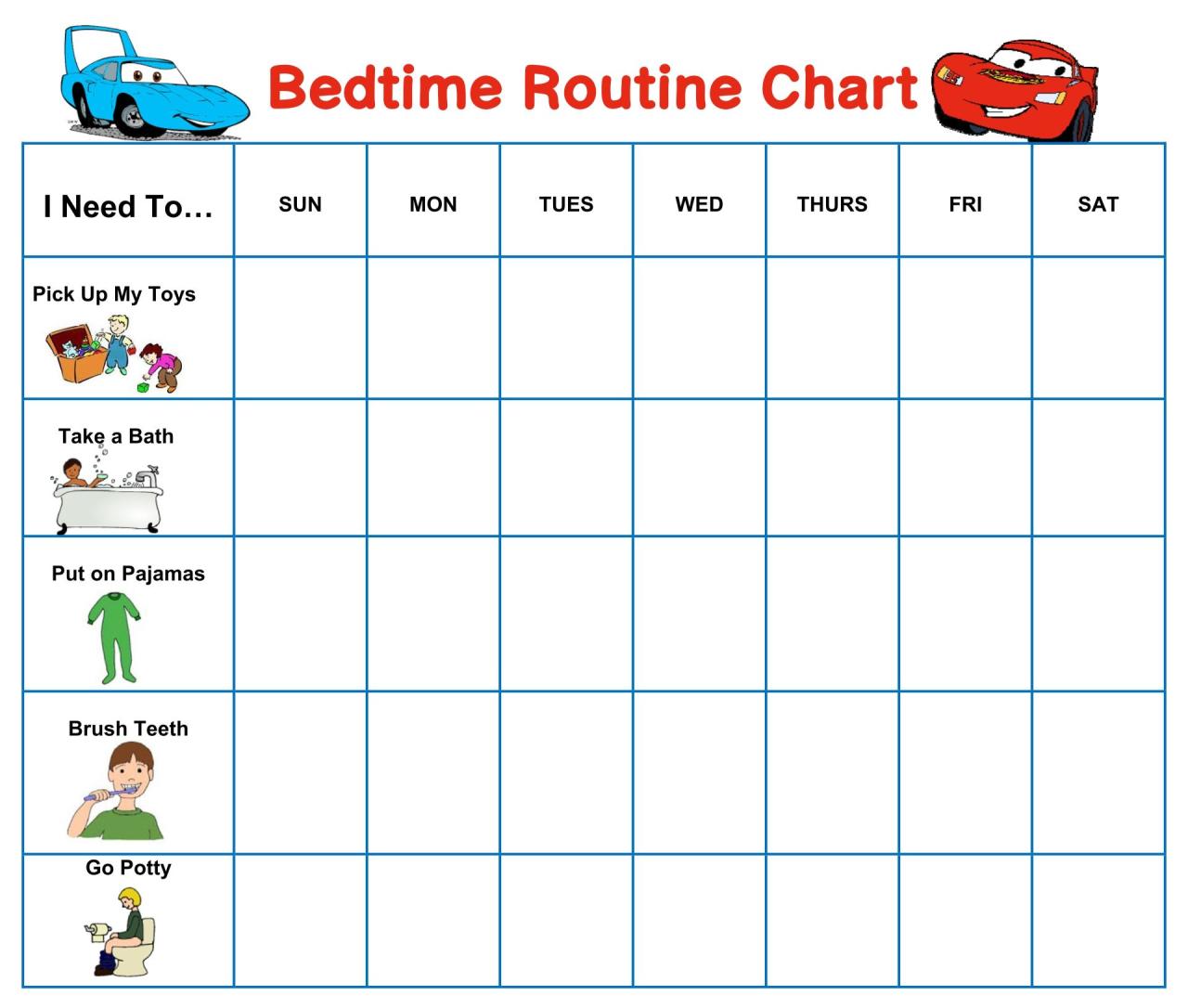
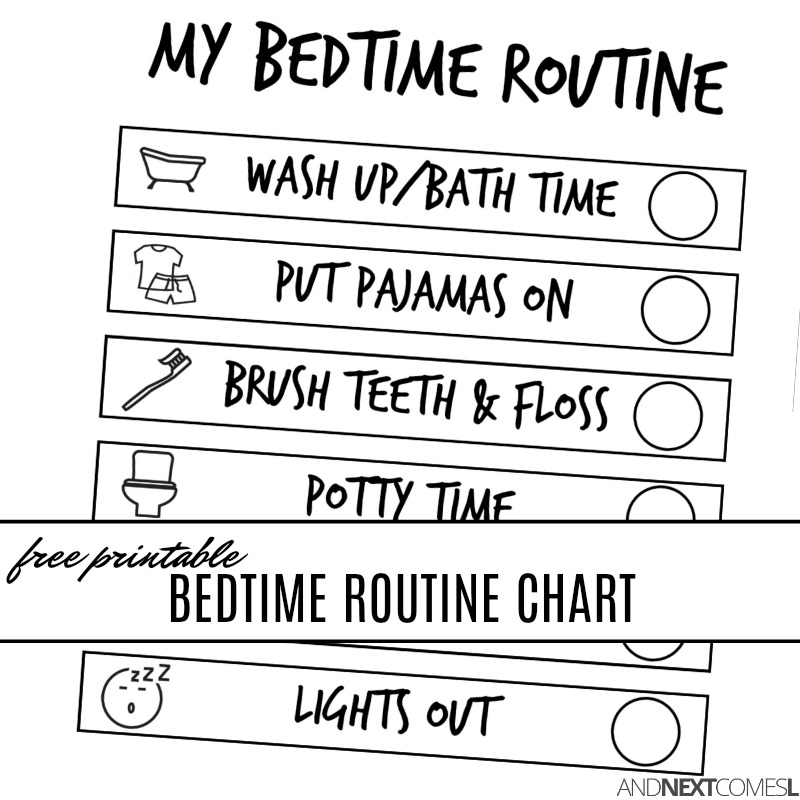
Creating a visual representation of the bedtime routine can significantly enhance its effectiveness. Parents can use these tools to reinforce the steps, making the routine more predictable and less stressful for both children and themselves. Visual aids also help children understand the sequence of events and anticipate what comes next, reducing anxiety and promoting a smoother transition into sleep.
Bedtime Routine Checklist
This checklist provides a structured approach to implementing the bedtime routine. Its use allows parents to track progress and identify areas where adjustments may be needed. Consistent use of the checklist reinforces the routine, making it easier for children to anticipate and participate in the steps.
- 6:00 PM: Bath time
- 6:30 PM: Brush teeth
- 6:45 PM: Pajama time
- 7:00 PM: Relaxation activity (e.g., reading, quiet play)
- 7:30 PM: Bedtime story
- 7:45 PM: Bedtime
Resources for Bedtime Routine Support
Utilizing various resources can enhance the implementation and effectiveness of a bedtime routine. These resources offer valuable tools, suggestions, and examples that parents can adapt to their specific needs.
| Resource Type | Description |
|---|---|
| Books | Numerous books provide practical advice, strategies, and insights on creating and maintaining a bedtime routine. These resources often offer diverse approaches, examples, and case studies. |
| Websites | Online platforms offer articles, forums, and communities dedicated to child development and sleep. These resources can provide valuable information and support from other parents facing similar challenges. |
| Apps | Dedicated sleep apps provide tools and resources that track sleep patterns, offer calming sounds, and provide bedtime stories, further supporting the creation and maintenance of a consistent bedtime routine. |
| Child Development Professionals | Consultations with pediatricians, therapists, or other child development experts can offer tailored guidance and support, providing insights based on individual needs. |
Visual Representation of a Bedtime Routine
A visual representation, like a flowchart or timeline, helps children visualize the steps involved in the bedtime routine. This clarity reduces uncertainty and anxiety.
Sample Bedtime Story Script
This script focuses on promoting relaxation and a peaceful transition into sleep.
“Once upon a time, in a cozy little meadow, lived a fluffy bunny named Barnaby. As the sun began to set, painting the sky in beautiful hues of orange and purple, Barnaby felt sleepy. He gently closed his eyes, listening to the soft chirping of crickets and the rustling of leaves. He imagined a gentle breeze carrying him to a world of dreams filled with soft clouds and happy animals. He drifted off to sleep, feeling safe and loved. Now, close your eyes, and imagine yourself in a peaceful meadow, just like Barnaby.”
Recommended Books and Apps
Numerous books and apps are designed to promote relaxation and sleep in children. These resources can be valuable tools for creating a calming bedtime routine.
- Books: “Goodnight Moon” by Margaret Wise Brown, “The Sleepy Bear” by Karma Wilson
- Apps: Calm Kids, Sleep Sounds, Whispering Tales
Methods of Visualizing the Routine
Various methods can effectively visualize a bedtime routine. These methods offer diverse approaches for different children and families.
| Method | Description |
|---|---|
| Flowchart | A flowchart visually represents the sequence of steps in the bedtime routine, making it easy to follow and understand. |
| Timeline | A timeline displays the schedule of the bedtime routine, showing the time allocated for each activity. |
| Visual Checklist | A visual checklist allows children to mark off each step as they complete it, promoting a sense of accomplishment and control. |
Ending Remarks
In conclusion, crafting a bedtime routine is an investment in your child’s well-being and your family’s harmony. This guide has Artikeld a comprehensive approach, equipping you with the knowledge and tools to establish a positive and effective routine. Remember that consistency is key, but flexibility is equally important. By understanding the different age groups, implementing calming strategies, and addressing potential challenges proactively, you can create a peaceful and predictable bedtime experience for your child.
The resources provided will assist in making this transition smooth and successful.