A productive bedtime routine isn’t just about getting enough sleep; it’s a strategic approach to optimizing your well-being and maximizing your daily output. This comprehensive guide delves into the essential elements of crafting a personalized routine that fosters both relaxation and enhanced productivity. By establishing a consistent schedule, optimizing evening activities, and creating a calming sleep environment, you can unlock your full potential and achieve a better quality of life.
This guide will walk you through the process of creating a bedtime routine tailored to your individual needs. We will explore practical strategies for managing stress and anxiety, incorporating technology effectively, and addressing potential sleep disorders. A thoughtful and personalized routine can dramatically impact your overall health and well-being, leading to improved focus, better decision-making, and increased efficiency in all aspects of your life.
Defining a Bedtime Routine for Productivity
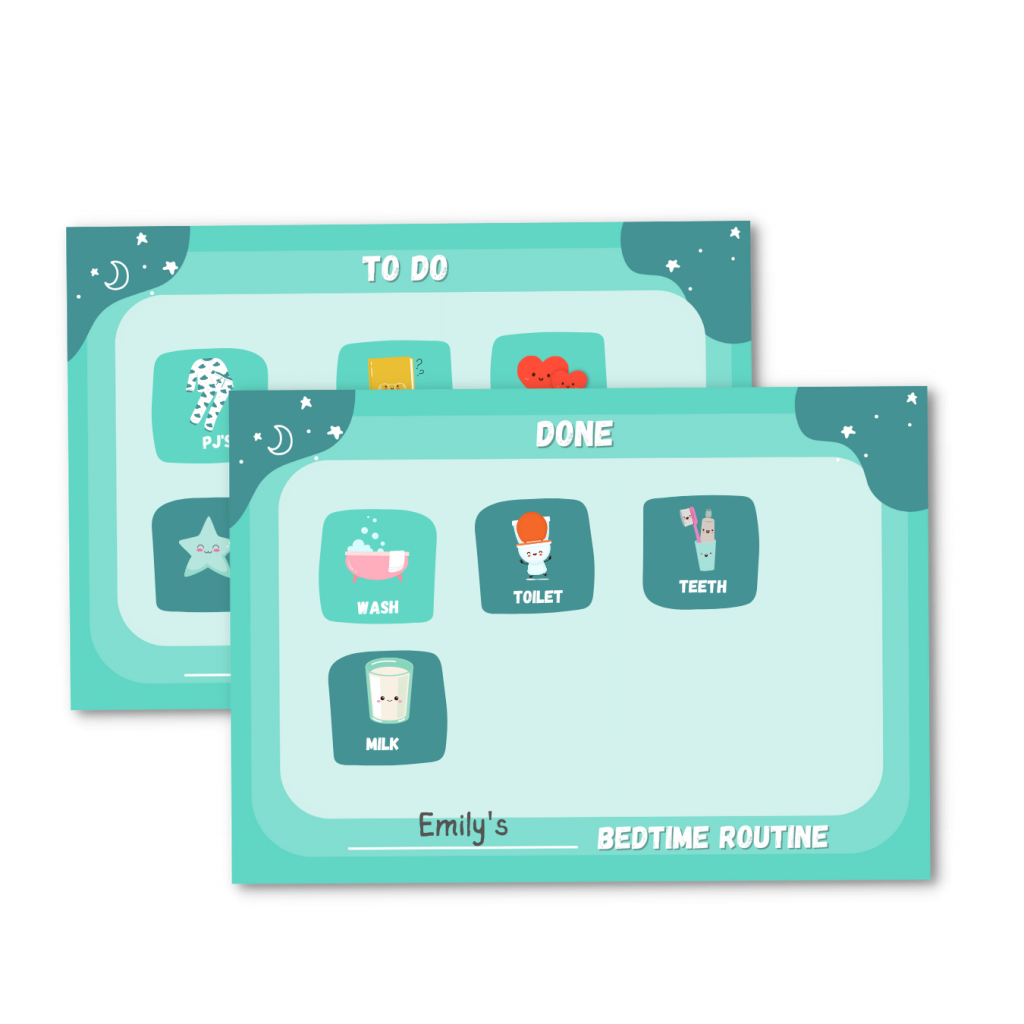
A productive bedtime routine is more than just getting enough sleep; it’s a structured approach to winding down and preparing your mind and body for optimal rest, leading to increased energy and focus the following day. This structured preparation allows for a smoother transition from a day’s activities to a restful night’s sleep. This, in turn, improves overall cognitive function and enhances productivity.A well-designed bedtime routine prioritizes mental and physical relaxation, minimizing stress and anxiety before sleep, thereby facilitating deeper and more restorative sleep.
This contrasts sharply with a haphazard or non-existent routine, which often results in restless nights and a compromised ability to function effectively during the day.
Definition of a Productive Bedtime Routine
A productive bedtime routine is a series of pre-sleep activities designed to promote relaxation, reduce stress, and prepare the mind and body for restful sleep. This routine is tailored to individual needs and preferences, focusing on consistency and predictability to establish a positive sleep-wake cycle. Crucially, it emphasizes activities that encourage mental calmness and physical unwinding, helping to minimize disruptive thoughts and anxieties that can hinder sleep quality.
Core Principles Behind a Productive Bedtime Routine
The core principles of a productive bedtime routine center around consistency, relaxation, and mental preparation. A consistent schedule helps regulate the body’s natural sleep-wake cycle, promoting better sleep quality. Relaxation techniques are essential for reducing stress and anxiety, fostering a sense of calm and tranquility before sleep. Finally, engaging in activities that prepare the mind for sleep, such as reading or light meditation, helps to transition from a day’s activities to a state of rest.
How a Productive Bedtime Routine Differs from a Typical One
A typical bedtime routine often lacks structure and purpose. It might involve checking emails, scrolling through social media, or engaging in stimulating activities close to bedtime. In contrast, a productive routine actively prioritizes relaxation and mental preparation for sleep. It’s about consciously choosing activities that promote calm and tranquility, not those that keep the mind racing or the body overstimulated.
Examples of Activities Promoting Relaxation and Mental Preparation
Several activities can promote relaxation and mental preparation for sleep. These activities include reading a book, listening to calming music, taking a warm bath or shower, practicing gentle yoga or stretching, and engaging in mindfulness or meditation exercises. These activities aim to lower stress hormones, quiet the mind, and signal to the body that it’s time to wind down.
Key Components of a Bedtime Routine
| Time Allocation | Activities |
|---|---|
| 6:00 PM – 6:30 PM | Dinner, light meal, calming beverage (e.g., herbal tea) |
| 6:30 PM – 7:00 PM | Gentle stretching, light exercise (e.g., yoga) |
| 7:00 PM – 7:30 PM | Reading a book, listening to calming music, taking a warm bath or shower |
| 7:30 PM – 8:00 PM | Meditation or mindfulness exercises, journaling |
| 8:00 PM – 9:00 PM | Quiet activities (e.g., light conversation, hobby) |
| 9:00 PM – 10:00 PM | Preparing for bed, getting ready to sleep |
Establishing a Consistent Schedule
A consistent bedtime routine is crucial for establishing a healthy sleep-wake cycle, which in turn significantly impacts productivity. This consistency signals to your body and mind that it’s time to wind down and prepare for sleep, optimizing your ability to focus and perform effectively during the day. A predictable schedule reduces stress and promotes better sleep quality, contributing to overall well-being.Maintaining a consistent sleep schedule is not merely about adhering to a rigid timetable; it’s about aligning your sleep patterns with your body’s natural rhythms.
This alignment enhances your body’s ability to regulate its internal clock, promoting better sleep quality and improving the quality of your waking hours. A predictable sleep schedule allows your body to anticipate sleep and wake times, which further supports a more productive and efficient daily routine.
Creating a Consistent Sleep Schedule
A well-structured sleep schedule, tailored to your personal needs and preferences, is essential for optimizing productivity. Understanding your body’s natural rhythms is key to creating a schedule that promotes optimal sleep and wakefulness. Consider factors like your typical sleep duration, when you naturally feel most alert, and any other lifestyle factors that might influence your sleep patterns.
- Understanding Your Sleep Needs: The recommended amount of sleep varies by age and individual. Consult with a healthcare professional to determine your specific sleep needs. Recognizing your sleep needs is the foundation of creating a suitable sleep schedule. Many adults require 7-9 hours of sleep per night. Adjusting your schedule to meet your needs will improve your health and productivity.
- Setting Realistic Goals: Gradually adjust your sleep schedule to avoid disrupting your body’s natural rhythm. Aim for a 15-30 minute adjustment per day to ensure smooth transition and maintain consistency. Start by setting a realistic goal that you can maintain over time, rather than trying to change everything at once.
- Utilizing a Sleep Diary: Tracking your sleep patterns over several weeks can provide valuable insights into your sleep habits and identify potential areas for improvement. A sleep diary helps you monitor your sleep quality and duration, allowing you to pinpoint patterns and make necessary adjustments to your schedule. This detailed record provides you with valuable data for making informed decisions.
Strategies for Adjusting to a New Sleep Schedule
Adjusting to a new sleep schedule can be challenging, but consistent effort and patience are key to success. Employing gradual changes and incorporating supportive strategies can ease the transition and improve the chances of success.
- Gradual Adjustments: Avoid drastic changes to your sleep schedule. Gradually shift your bedtime and wake-up time by 15-30 minutes each day until you reach your desired schedule. A gradual adjustment allows your body to adapt more effectively.
- Consistent Wake-Up Time: Maintaining a consistent wake-up time, even on weekends, is crucial for regulating your body’s natural sleep-wake cycle. This consistency reinforces your body’s natural rhythm, helping you fall asleep and wake up at the desired times.
- Creating a Relaxing Bedtime Routine: Develop a relaxing bedtime routine to signal to your body that it’s time to wind down. This could include activities like taking a warm bath, reading a book, or listening to calming music. A consistent routine can promote better sleep quality.
Examples of Daily Schedule Structure
A well-structured daily schedule can support a productive bedtime routine. Consider scheduling your activities in a way that allows for sufficient time for rest and recovery, leading to improved overall performance. A well-structured daily schedule can support your sleep schedule.
- Example 1 (Early Bird): Wake up at 6:00 AM, work until 12:00 PM, exercise from 12:00 PM to 1:00 PM, and engage in relaxation activities until 9:00 PM. Bedtime is at 10:00 PM. This schedule provides sufficient time for activities and relaxation.
- Example 2 (Late Bird): Wake up at 8:00 AM, work until 2:00 PM, engage in leisure activities from 2:00 PM to 4:00 PM, and focus on relaxation from 4:00 PM to 8:00 PM. Bedtime is at 10:00 PM. This schedule caters to individuals with different preferences and work schedules.
Comparing Sleep Schedules and Productivity
| Sleep Schedule | Potential Impact on Productivity |
|---|---|
| 7-9 hours of sleep per night, consistent wake-up and bedtimes | High productivity, improved focus, and reduced stress |
| Less than 6 hours of sleep per night, inconsistent sleep schedule | Reduced focus, decreased productivity, and increased stress levels |
| More than 9 hours of sleep per night, inconsistent sleep schedule | Potential for sluggishness and reduced alertness |
Optimizing Evening Activities
A well-structured bedtime routine extends beyond simply setting a time to sleep. Crucially, it encompasses the activities you engage in leading up to that time. These activities significantly impact your relaxation, stress levels, and cognitive function, all factors that directly influence the quality of your sleep and subsequent productivity. Choosing the right activities can be a powerful tool in maximizing both your evening and your morning.Evening activities can either set the stage for a restful and productive night or disrupt your natural sleep-wake cycle.
Understanding how different activities affect your body and mind allows you to tailor your routine for optimal results.
Relaxation Techniques for Stress Reduction
Effective stress reduction techniques are crucial for preparing the mind and body for sleep. Mindfulness practices, such as deep breathing exercises, progressive muscle relaxation, and guided imagery, are proven to calm the nervous system and promote a sense of tranquility. These techniques help to reduce racing thoughts and anxieties, allowing the mind to quiet down and prepare for sleep.
- Deep Breathing Exercises: These exercises involve slow, controlled inhalations and exhalations. By focusing on your breath, you can shift your attention away from stressful thoughts and promote a sense of calm. A simple technique is to inhale deeply through your nose for a count of four, hold for a count of four, and exhale slowly through your mouth for a count of four.
Repeat this cycle for several minutes. Consistent practice can significantly reduce stress and anxiety.
- Progressive Muscle Relaxation: This technique involves systematically tensing and relaxing different muscle groups in your body. Starting with your toes, tense each muscle group for a few seconds, and then release the tension, focusing on the feeling of relaxation. This helps to release physical tension that can contribute to stress and anxiety, paving the way for a more restful sleep.
- Guided Imagery: Guided imagery involves using your imagination to create a relaxing and peaceful scene. You can visualize a serene environment, such as a beach, a forest, or a meadow. Focus on the details of the scene, such as the sounds, smells, and textures, to deepen the sense of relaxation and calmness. This technique can be highly effective in promoting relaxation and reducing stress before bed.
Activities to Enhance Cognitive Function
Engaging in activities that stimulate the mind in a controlled manner can positively influence cognitive function. However, stimulating activities too close to bedtime can be counterproductive. Consider activities that are engaging but not overly demanding.
- Light Reading: Engaging in light reading, such as a fiction book or a non-fiction book on a familiar subject, can help to relax the mind and unwind from the day’s activities. Avoid complex or challenging material that might stimulate the mind and make it difficult to fall asleep.
- Journaling: Journaling can be a powerful tool for processing emotions and thoughts. Write down your thoughts and feelings in a journal. This process can help to release pent-up emotions and anxieties, promoting a more relaxed state of mind before bed.
- Listening to Calming Music: Soft, instrumental music can be a valuable tool for promoting relaxation and reducing stress. Music with a slow tempo and soothing melodies can help to calm the mind and prepare it for sleep.
Activities to Avoid Before Bed
Certain activities can significantly hinder sleep quality and productivity. Understanding these activities can help you to tailor your evening routine for optimal results.
- Strenuous Exercise: Vigorous exercise too close to bedtime can elevate your body temperature and heart rate, making it difficult to fall asleep. Exercise is important, but schedule it earlier in the evening to allow your body to cool down and wind down before sleep.
- Screen Time: The blue light emitted from electronic devices like smartphones, tablets, and computers can interfere with your natural sleep-wake cycle. Minimize screen time at least an hour before bedtime to allow your body to naturally prepare for sleep.
- Caffeinated or Alcoholic Beverages: Caffeine and alcohol can disrupt your sleep cycle and affect your ability to stay asleep throughout the night. Avoid consuming these substances close to bedtime.
Mindful Activities for a Productive Routine
Mindful activities can be seamlessly integrated into your evening routine to enhance relaxation and promote a sense of calm.
- Meditation: Meditation involves focusing your attention on a specific object, such as your breath, a mantra, or a visual image. This practice can help to calm the mind and reduce stress, allowing you to unwind before bed.
- Yoga: Gentle yoga stretches can promote relaxation and improve flexibility. Choose poses that are calming and restorative, rather than strenuous. This can enhance relaxation and prepare the body for sleep.
Tailoring Your Evening Routine
Personal preferences and individual needs should be considered when developing a bedtime routine.
- Experiment and Adjust: Experiment with different activities to find what works best for you. Pay attention to how different activities affect your sleep quality and adjust your routine accordingly.
- Consistency is Key: Once you’ve established a routine that suits you, aim for consistency. A consistent bedtime routine helps regulate your body’s natural sleep-wake cycle, making it easier to fall asleep and wake up feeling refreshed.
Creating a Relaxing Sleep Environment
A conducive sleep environment significantly impacts sleep quality and, consequently, overall productivity. A well-designed bedroom fosters relaxation, promoting deeper, more restorative sleep, which allows the body and mind to recharge for optimal performance during waking hours. Creating this environment involves thoughtful consideration of various physical factors.A calming and organized sleep space is crucial for optimal rest. This involves more than just a comfortable bed; it encompasses the entire physical atmosphere.
The following sections will detail the key elements to design a truly productive sleep sanctuary.
Physical Aspects of a Productive Sleep Environment
A productive sleep environment prioritizes physical comfort and promotes a sense of calm. Essential elements include darkness, quiet, and a comfortable temperature. These elements, when carefully considered, can significantly improve sleep quality and, consequently, cognitive function and overall productivity.
Importance of Darkness
Darkness is paramount for regulating the body’s natural sleep-wake cycle, also known as the circadian rhythm. Melatonin, a hormone crucial for sleep, is primarily produced in the absence of light. Exposure to light, especially blue light emitted from electronic devices, can suppress melatonin production, hindering the body’s ability to fall asleep and stay asleep. Therefore, a dark bedroom is essential for maintaining a healthy circadian rhythm.
This, in turn, enhances cognitive function and overall productivity.
Importance of Quiet
Ambient noise can disrupt sleep and decrease sleep quality. Even seemingly insignificant noises, such as traffic or a ticking clock, can interfere with the body’s natural sleep cycle. A quiet environment allows the body to transition smoothly into a relaxed state, promoting deeper sleep and improved cognitive function. Consequently, a quiet bedroom promotes a more productive day.
Importance of Comfortable Temperature
The ideal temperature for sleep is a moderate one, typically between 60°F and 67°F (15.5°C and 19.4°C). A room that is too hot or too cold can disrupt sleep, leading to discomfort and restlessness. A comfortable temperature promotes deeper sleep, allowing the body to effectively repair and restore, which is vital for productivity.
Creating a Sleep Sanctuary
Transforming a bedroom into a sleep sanctuary involves a multifaceted approach. Start by decluttering the space, removing any items that do not contribute to relaxation. Incorporate calming colors, soft lighting, and comfortable textiles. Personalize the space to reflect individual preferences and create a sense of tranquility.
Personalizing the Bedroom
Personalization plays a vital role in creating a sleep sanctuary. Consider the following examples:
- Soft Lighting: Using warm-toned lamps instead of harsh overhead lights creates a more relaxing atmosphere. Avoid bright, blue-light emitting devices before bed. Using a bedside lamp with a soft glow can provide ambient lighting without disrupting sleep.
- Comfy Bedding: Invest in high-quality bedding, including a supportive mattress, comfortable pillows, and soft sheets. Ensure the bedding fits the individual’s needs and preferences.
- Calming Aromatherapy: Aromatherapy can help create a relaxing atmosphere. Essential oils, such as lavender or chamomile, can be diffused or used in a calming diffuser. Natural scents can be an effective way to signal the body to relax.
- Mindful Decor: Incorporate artwork or decorations that evoke a sense of calm and tranquility. Consider adding plants, which can improve air quality and provide a natural aesthetic. Keep the space uncluttered to foster a sense of serenity.
Impact of Sleep Environment Elements on Sleep Quality
The table below Artikels the impact of various sleep environment elements on sleep quality.
| Sleep Environment Element | Impact on Sleep Quality |
|---|---|
| Darkness | Promotes melatonin production, regulates circadian rhythm, leading to improved sleep quality |
| Quiet | Reduces distractions, allows for a smoother transition to sleep, leading to deeper sleep and enhanced sleep quality |
| Comfortable Temperature | Avoids discomfort and restlessness, promotes deeper sleep and restoration, leading to improved sleep quality |
| Decluttered Space | Reduces stress and anxiety, fostering a sense of calm and relaxation, contributing to improved sleep quality |
| Soft Lighting | Creates a relaxing atmosphere, promotes relaxation and sleep, contributing to improved sleep quality |
Managing Stress and Anxiety

Effective stress management is crucial for establishing a productive bedtime routine. Uncontrolled stress can significantly hinder sleep quality and negatively impact overall productivity. By incorporating strategies to manage stress throughout the day and before bed, individuals can create a more conducive environment for restful sleep and improved focus.Stress and anxiety, if left unaddressed, can disrupt the delicate balance of the body’s natural rhythms, impacting both sleep and daily productivity.
Chronic stress can lead to difficulty falling asleep, interrupted sleep cycles, and a general feeling of exhaustion. This, in turn, diminishes cognitive function and reduces the ability to concentrate and perform tasks effectively. Understanding how stress affects sleep and productivity is the first step toward developing strategies for effective management.
Stress Reduction Techniques Throughout the Day
Strategies implemented during the day can significantly reduce the impact of stress on bedtime routines. Actively managing stress throughout the day can prevent its buildup and allow for a more relaxed evening. Regular physical activity, mindfulness practices, and healthy eating habits contribute to a balanced approach to stress reduction.
- Physical Activity: Engaging in regular physical activity, such as exercise or a brisk walk, can help release endorphins, which have mood-boosting effects. Exercise helps reduce stress hormones and promotes relaxation, positively impacting sleep quality. For example, a 30-minute walk during lunchtime can be a valuable stress-reduction technique.
- Mindfulness and Meditation: Incorporating mindfulness and meditation practices into daily routines can foster a sense of calm and reduce feelings of anxiety. Even a few minutes of mindful breathing or a short meditation session can make a noticeable difference in stress levels.
- Healthy Diet: Maintaining a balanced diet, rich in fruits, vegetables, and whole grains, can support overall well-being and reduce stress. Conversely, a diet high in processed foods and sugary drinks can exacerbate stress and anxiety. Avoiding excessive caffeine and alcohol consumption is also beneficial.
Stress Management Techniques Before Bed
Prioritizing relaxation techniques before bed can significantly improve sleep quality and reduce the impact of stress on sleep. The goal is to transition into a calm and peaceful state to facilitate a smooth transition into sleep.
- Relaxation Exercises: Techniques like progressive muscle relaxation, deep breathing exercises, and guided imagery can help calm the mind and body. These exercises promote relaxation by focusing on physical sensations and reducing muscle tension.
- Warm Bath or Shower: A warm bath or shower before bed can help relax muscles and promote a sense of calm. The warmth can induce relaxation and help prepare the body for sleep.
- Reading or Listening to Calming Music: Engaging in calming activities like reading a book or listening to soothing music can help quiet the mind and reduce racing thoughts, creating a more conducive atmosphere for sleep.
Impact of Stress on Sleep and Productivity
Stress significantly impacts both sleep and productivity. The impact is multifaceted, affecting cognitive function, mood, and overall well-being. A stressed mind often struggles to quiet down, making it difficult to fall asleep and stay asleep. Poor sleep, in turn, negatively affects cognitive function, impacting daily productivity.
Stress Reduction Techniques Table
| Technique | Description | Effectiveness |
|---|---|---|
| Progressive Muscle Relaxation | Systematically tensing and releasing different muscle groups | High; can effectively reduce muscle tension and anxiety |
| Deep Breathing Exercises | Focusing on controlled, slow breaths | High; promotes relaxation and reduces stress hormones |
| Mindfulness Meditation | Paying attention to the present moment without judgment | Moderate to High; can improve focus and reduce anxiety |
| Yoga | Physical postures and breathing techniques | High; promotes relaxation, flexibility, and reduces stress |
| Journaling | Writing down thoughts and feelings | Moderate; can help process emotions and reduce anxiety |
Incorporating Technology and Digital Devices
Technology has become deeply interwoven with our daily lives, significantly impacting our sleep patterns and overall productivity. Understanding the effects of technology on our sleep cycles and learning strategies for mindful use can lead to a more productive bedtime routine. This section will explore how to harness technology’s potential while mitigating its potential downsides.
Impact of Technology on Sleep and Productivity
The ubiquitous nature of digital devices, from smartphones to tablets, often leads to late-night screen time. Exposure to blue light emitted from these devices can suppress melatonin production, the hormone crucial for regulating sleep. This disruption can lead to difficulty falling asleep, reduced sleep quality, and daytime fatigue, negatively impacting productivity. Conversely, the constant accessibility of information and communication channels can also cause stress and anxiety, further hindering sleep and productivity.
Excessive screen time can also lead to a reduction in time dedicated to more relaxing activities.
Strategies for Limiting Screen Time Before Bed
Establishing clear boundaries around screen time before bed is paramount for a productive bedtime routine. One effective strategy is to designate a “technology-free zone” in the bedroom. This physically separates the digital world from the sleep environment. Creating a pre-bedtime wind-down routine that includes activities like reading a book, taking a warm bath, or listening to calming music can also help to signal the body that it’s time to prepare for sleep.
Setting specific times for checking social media or email can also help in managing screen time. Using a screen-time management app on devices can help enforce these limits.
Using Technology to Support a Productive Bedtime Routine
Technology can be a powerful tool for supporting a productive bedtime routine. Employing apps and devices designed for relaxation and sleep can be highly beneficial. Apps that track sleep patterns, provide calming soundscapes, or offer guided meditation can significantly improve the quality of sleep.
Examples of Apps and Devices for Relaxation and Sleep
Numerous apps and devices can promote relaxation and improve sleep quality. Examples include Calm, Headspace, and Sleep Cycle. These apps offer guided meditations, sleep sounds, and sleep tracking features to help users achieve a restful night’s sleep. Similarly, smart devices like smart lighting systems can be programmed to adjust the room’s lighting to promote sleepiness. Wearable devices that monitor sleep patterns can offer valuable insights into sleep quality and identify potential sleep issues.
Technology-Related Tools for Bedtime Routines
| Tool | Benefits |
|---|---|
| Screen Time Management Apps (e.g., Freedom, Cold Turkey) | Help limit screen time by blocking distracting apps or websites during specific periods. |
| Sleep Tracking Apps (e.g., Sleep Cycle, Fitbit) | Provide insights into sleep patterns, helping identify potential issues and improve sleep quality. |
| Calming Music/Sound Apps (e.g., Calm, Spotify) | Offer a variety of soundscapes, including nature sounds, white noise, or guided meditations, to promote relaxation and sleep. |
| Smart Lighting Systems | Can be programmed to adjust room lighting to mimic sunrise/sunset patterns, promoting better sleep-wake cycles. |
| Wearable Sleep Trackers | Monitor sleep patterns, heart rate, and other physiological data to provide comprehensive insights into sleep quality and identify potential issues. |
Addressing Sleep Disorders and Challenges

A consistent and productive bedtime routine is crucial for overall well-being, but it can be significantly impacted by underlying sleep disorders. Recognizing these potential issues and implementing appropriate strategies is essential for optimizing sleep and productivity. Understanding the different types of sleep disorders and their effects is the first step towards creating a more effective routine.
Potential Sleep Disorders
Sleep disorders encompass a range of conditions that can disrupt the natural sleep-wake cycle. These disorders can significantly affect an individual’s physical and mental health, leading to fatigue, reduced cognitive function, and diminished productivity. Common disorders include insomnia, sleep apnea, restless legs syndrome, and narcolepsy, each with unique characteristics and impacts.
Common Sleep Problems and Their Impact
Insomnia, characterized by difficulty falling asleep, staying asleep, or experiencing poor sleep quality, can lead to daytime fatigue, irritability, and reduced concentration. Sleep apnea, a condition where breathing repeatedly stops and starts during sleep, results in fragmented sleep, daytime sleepiness, and an increased risk of health problems. Restless legs syndrome causes uncomfortable sensations in the legs, leading to an irresistible urge to move them, disrupting sleep continuity.
Narcolepsy, a neurological disorder, causes excessive daytime sleepiness and can result in unpredictable sleep attacks.
Addressing Sleep Disorders and Seeking Professional Help
If you suspect you might have a sleep disorder, consulting a healthcare professional is crucial. A medical evaluation can identify the specific sleep disorder and recommend appropriate treatment. This may involve lifestyle changes, such as adopting healthy sleep habits, or in some cases, medication. Remember, seeking professional help is a sign of proactive self-care and a commitment to improving overall well-being.
Healthy Sleep Habits to Support Overcoming Sleep Challenges
Maintaining a consistent sleep schedule, even on weekends, helps regulate the body’s natural sleep-wake cycle. Creating a relaxing bedtime routine, including activities like reading or taking a warm bath, can signal to the body that it’s time to wind down. A comfortable sleep environment, with appropriate temperature and darkness, is also essential. Avoiding caffeine and alcohol before bed, and engaging in regular physical activity during the day, can significantly improve sleep quality.
Table Comparing Different Sleep Disorders and Potential Solutions
| Sleep Disorder | Description | Potential Solutions |
|---|---|---|
| Insomnia | Difficulty falling asleep, staying asleep, or experiencing poor sleep quality. | Establishing a consistent sleep schedule, creating a relaxing bedtime routine, avoiding caffeine and alcohol before bed, practicing relaxation techniques. |
| Sleep Apnea | Breathing repeatedly stops and starts during sleep. | Weight management, CPAP therapy (Continuous Positive Airway Pressure), lifestyle changes, consulting a medical professional. |
| Restless Legs Syndrome | Uncomfortable sensations in the legs, leading to an irresistible urge to move them. | Medication, stretching exercises, warm baths, avoiding caffeine and alcohol before bed, maintaining a regular sleep schedule. |
| Narcolepsy | Excessive daytime sleepiness and unpredictable sleep attacks. | Medication, lifestyle adjustments to manage daytime sleepiness, maintaining a regular sleep schedule, avoiding situations that could trigger sleep attacks. |
Monitoring and Adjusting the Routine
A well-structured bedtime routine is only effective when consistently monitored and adapted to individual needs. Regular evaluation ensures the routine remains aligned with personal goals and physiological changes. This proactive approach allows for necessary adjustments, optimizing sleep quality and ultimately boosting productivity.Effective monitoring and adjustment are crucial for maintaining the routine’s effectiveness over time. Sleep quality and consistency are not static; they can fluctuate based on various factors, requiring a flexible approach to the routine.
Importance of Monitoring Sleep Quality and Consistency
Regular monitoring of sleep quality and consistency is vital for recognizing patterns and identifying potential areas for improvement. This includes tracking sleep duration, wake-up time, and the overall feeling of restoration after sleep. Consistent monitoring provides valuable data to determine if the routine is fulfilling its purpose.
Tracking Sleep Patterns and Identifying Areas for Improvement
Numerous methods exist for tracking sleep patterns. A sleep diary is a simple yet effective tool. It involves recording sleep onset time, wake-up time, and any disruptions experienced during the night. Alternatively, wearable sleep trackers offer detailed insights into sleep stages, heart rate, and movement, providing a more comprehensive analysis. By consistently documenting sleep data, individuals can pinpoint specific times or activities that negatively affect sleep quality.
For instance, a consistent pattern of difficulty falling asleep around 11 pm might suggest a need to adjust the evening activities leading up to that time.
Strategies for Adjusting the Routine Based on Individual Needs and Feedback
Adjustments should be made gradually and strategically, based on the identified patterns and personal preferences. For example, if a person consistently reports feeling restless during the 10 pm to 11 pm period, they might adjust the evening routine to include a relaxing activity like reading or light stretching during that timeframe. This approach allows for a personalized adjustment to the routine, rather than a drastic overhaul.
Examples of How to Adapt the Routine Over Time
Adapting the routine over time should reflect changes in personal needs or circumstances. If someone starts a new job requiring earlier wake-up times, the routine might need to be adjusted to accommodate this change. This could involve adjusting the bedtime, the timing of evening activities, or even the duration of the sleep environment preparation. Another example is incorporating seasonal changes.
The duration of daylight hours and the resulting impact on sleep cycles can influence the routine. Adjustments could involve incorporating activities to promote relaxation, and a potential adjustment of the routine’s duration or content.
Measuring the Effectiveness of the Bedtime Routine and Tracking Progress
The effectiveness of a bedtime routine can be measured through subjective and objective methods. Subjective measures include self-reported feelings of well-being, energy levels, and mood. Objective measures involve tracking sleep data through diaries or wearable devices. By comparing the subjective and objective data over time, individuals can gauge the routine’s effectiveness and identify areas for further refinement.
For example, if the sleep diary shows a consistent improvement in sleep onset time, and self-reported energy levels have increased, it signifies a positive impact of the routine.
Final Wrap-Up

In conclusion, this guide has provided a structured framework for building a productive bedtime routine. By carefully considering the key components, from establishing a consistent schedule to managing stress, you can significantly improve your sleep quality and overall productivity. Remember that consistency and personalization are key. By actively monitoring and adjusting your routine over time, you can fine-tune it to meet your specific needs and unlock a more fulfilling and productive life.