Establishing a consistent bedtime routine is crucial for healthy sleep, and incorporating meditation can significantly enhance its effectiveness. This guide provides a structured approach to creating a personalized bedtime routine that integrates meditation techniques. We’ll explore various types of routines, suitable for different individuals, and delve into the specific benefits of incorporating meditation for improved sleep quality.
From defining the structure of a bedtime routine to creating a calming atmosphere and addressing potential challenges, this comprehensive guide offers practical strategies and techniques. We’ll cover everything from simple mindfulness exercises to advanced relaxation methods, empowering you to tailor a routine that meets your unique needs and preferences.
Defining a Bedtime Routine
A bedtime routine is a series of pre-sleep activities designed to signal to your body and mind that it’s time to wind down and prepare for sleep. It’s more than just brushing your teeth; it’s a structured sequence of actions that helps regulate your sleep-wake cycle and promotes better sleep quality. A well-established bedtime routine can significantly improve your overall well-being.A consistent bedtime routine helps to create a predictable and calming environment for your body, reducing stress and anxiety before sleep.
This predictability is crucial for establishing a healthy sleep-wake cycle, as it trains your body to recognize the cues associated with sleep. Implementing a routine helps to regulate your body’s natural sleep-wake cycle, improving the quality of your sleep.
Components of a Bedtime Routine
A well-rounded bedtime routine typically includes several key components. These components work together to create a calming and sleep-conducive environment. Each component is designed to help prepare the body and mind for sleep. Establishing these components consistently will create a more predictable and restorative sleep experience.
Examples of Bedtime Routines
Different bedtime routines cater to various needs and preferences. The length of the routine is adaptable to your individual schedule and lifestyle. Here are examples of short, medium, and long bedtime routines:
- Short Routine (15-30 minutes): This routine focuses on quick relaxation techniques and minimal activities. Examples include a warm bath, gentle stretching, reading a few pages of a calming book, listening to relaxing music, and meditation. This routine works well for those with busy schedules but still want to prepare for sleep.
- Medium Routine (30-60 minutes): This routine incorporates more activities that promote relaxation and wind-down. It can include a warm bath or shower, gentle exercise, light stretching, a warm drink like herbal tea, a short meditation session, journaling, or reading a book. This routine offers more time for relaxation and preparation for sleep.
- Long Routine (60+ minutes): A longer routine can include a full body relaxation session, including a warm bath or shower, gentle exercise, light stretching, a warm drink, meditation, journaling, and reading a book. This routine offers more in-depth relaxation and preparation for sleep, allowing for a more thorough wind-down process.
Importance of Consistency
Consistency is paramount in establishing a healthy sleep-wake cycle. A regular bedtime routine helps your body anticipate sleep, which in turn improves the quality of your sleep. When you consistently follow the same routine each night, your body learns to associate the activities with sleep, making it easier to fall asleep and stay asleep. This regular rhythm promotes deeper and more restorative sleep.
How a Routine Prepares for Sleep
A well-structured bedtime routine helps prepare the body and mind for sleep in several ways. Activities such as taking a warm bath, reading, or listening to calming music help reduce stress and anxiety, allowing your body to relax and prepare for sleep. Meditation, mindfulness exercises, and other relaxation techniques further calm the mind and body, signaling that it’s time to rest.
Comparison of Bedtime Routine Types
| Routine Type | Duration (minutes) | Key Activities |
|---|---|---|
| Short | 15-30 | Warm bath, gentle stretching, reading, meditation, relaxing music |
| Medium | 30-60 | Warm bath/shower, gentle exercise, light stretching, warm drink, meditation, journaling, reading |
| Long | 60+ | Full body relaxation session, including warm bath/shower, gentle exercise, light stretching, warm drink, meditation, journaling, reading |
Incorporating Meditation into a Routine
Establishing a consistent bedtime routine is crucial for promoting healthy sleep. Integrating meditation into this routine can significantly enhance sleep quality and overall well-being. By incorporating mindfulness practices before bed, individuals can calm their minds and prepare their bodies for a restful night’s sleep.Meditation, in its various forms, can help to quiet the racing thoughts and anxieties that often disrupt sleep.
This creates a more conducive environment for deep, restorative sleep.
Benefits of Meditation for Sleep Quality
Meditation offers a multitude of benefits for improving sleep quality. Reduced stress and anxiety are key factors. By calming the mind, meditation promotes relaxation and reduces the physiological responses associated with stress, which often interfere with sleep. Moreover, meditation fosters a sense of inner peace and stability, contributing to a more tranquil and restful sleep experience. Regular practice can also help regulate the body’s natural sleep-wake cycle.
Types of Meditation Suitable for Bedtime
Various meditation techniques are well-suited for bedtime. Guided meditations provide a structured framework, guiding the practitioner through relaxation exercises and visualizations. Mindfulness meditation encourages focused attention on the present moment, observing thoughts and sensations without judgment. Body scans, a specific form of mindfulness, involve systematically bringing awareness to different parts of the body, releasing physical tension. These techniques, when practiced regularly, can become powerful tools in promoting relaxation and a peaceful transition into sleep.
Step-by-Step Guide to Incorporating Meditation into a Bedtime Routine
Establishing a consistent bedtime routine incorporating meditation is key. Begin by choosing a specific time each night for your meditation practice. A dedicated space, free from distractions, is also beneficial. Start with a few minutes of meditation and gradually increase the duration as you become more comfortable. Use a comfortable posture, whether sitting or lying down.
Close your eyes and focus on your breath. Incorporate mindful awareness of any sensations or thoughts arising without judgment. Gradually, as you become more proficient, incorporate other techniques like guided imagery or body scans.
Examples of Meditation Exercises
Numerous meditation exercises are available, catering to different levels of experience. For beginners, simple breathing exercises can be effective. Focus on inhaling and exhaling deeply and slowly. Notice the sensations of the breath entering and leaving the body. For those with more experience, guided meditations offer a structured approach.
These meditations often involve calming imagery, relaxing music, and specific instructions for relaxation. Body scans involve paying attention to physical sensations throughout the body. Start with the toes, progressing to the feet, legs, torso, arms, and head. Notice any tension and release it.
Table: Benefits of Different Meditation Techniques for Sleep
| Meditation Technique | Key Benefits for Sleep |
|---|---|
| Guided Meditation | Structured approach to relaxation, promoting a sense of calm and reducing anxiety. |
| Mindfulness Meditation | Cultivates present-moment awareness, reducing racing thoughts and promoting relaxation. |
| Body Scan Meditation | Identifies and releases physical tension, fostering deep relaxation and promoting a sense of body awareness. |
Creating a Relaxing Bedtime Atmosphere

Establishing a calming and serene environment in your bedroom is crucial for promoting restful sleep. A well-designed sleep space can significantly impact your sleep quality and overall well-being, contributing to a more effective bedtime routine. This involves thoughtful consideration of various elements, including light, temperature, noise, and aromatherapy.Creating a consistent sleep environment signals to your body that it’s time to wind down and prepare for sleep.
This predictable routine helps regulate your circadian rhythm, facilitating a smoother transition into a restful night’s sleep. This environment should encourage relaxation and minimize distractions, allowing your mind and body to transition into a peaceful state.
Controlling Light Levels
Adequate control over light levels is essential for regulating your body’s natural sleep-wake cycle. Dimming lights in the hours leading up to bedtime signals to your body that it’s time to prepare for sleep. Exposure to bright light, particularly blue light emitted from electronic devices, can suppress melatonin production, making it harder to fall asleep. Consider using warm-toned lighting, such as lamps with soft, incandescent bulbs, or even blackout curtains to minimize external light intrusion.
Using a sleep mask can also help block out light, creating a more conducive sleep environment.
Managing Temperature and Noise
Maintaining a comfortable temperature in your bedroom is also vital for sleep quality. A slightly cool room (around 65°F or 18°C) is often ideal for promoting sleep. If your room tends to get too warm, consider using a fan or air conditioning to regulate the temperature. Noise levels can also significantly impact sleep. Excessive noise can disrupt sleep patterns and lead to feelings of restlessness and anxiety.
Use earplugs, white noise machines, or sound-dampening curtains to minimize disruptive sounds. Consider if your bedroom is close to noisy sources like traffic or other households.
Utilizing Aromatherapy
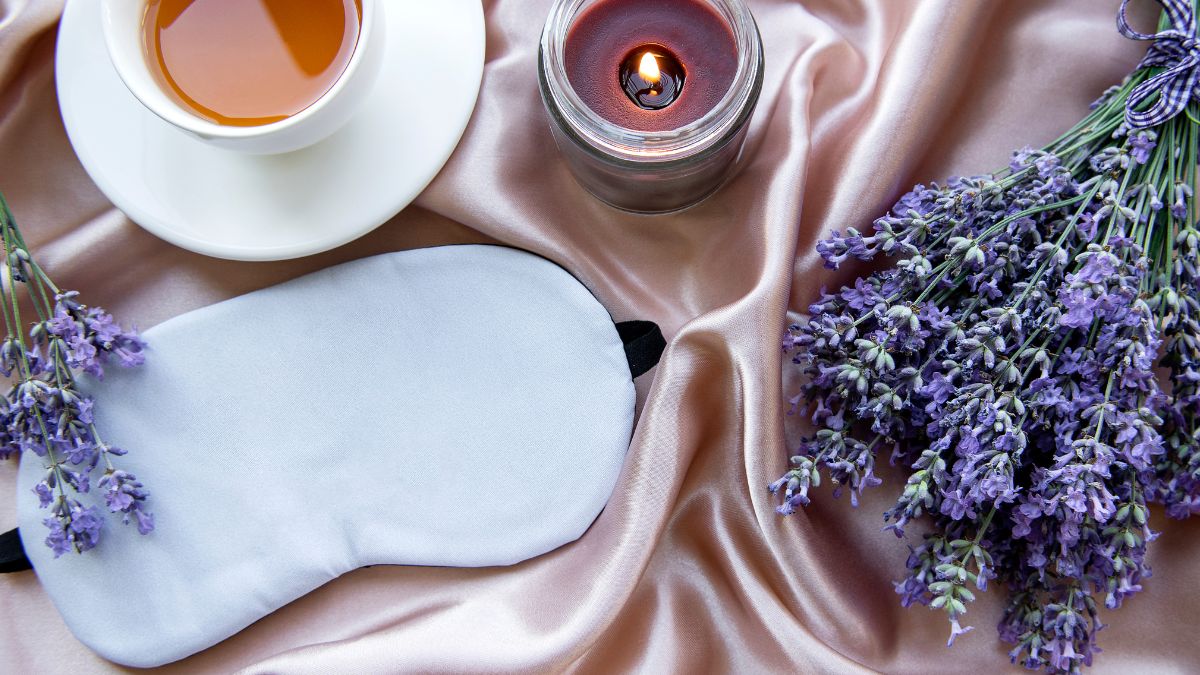
Aromatherapy can play a significant role in creating a relaxing bedtime atmosphere. Certain scents, such as lavender, chamomile, and sandalwood, are known for their calming properties. Diffusing these essential oils, using scented candles, or applying them topically can create a more soothing and relaxing environment, encouraging a sense of calm and tranquility. However, ensure that any scents used are mild and not overwhelming.
If you have allergies or sensitivities to certain scents, avoid them.
Optimizing Your Bedroom for Sleep
Your bedroom should be optimized for sleep, ensuring it’s a sanctuary for rest and relaxation. Keep your bedroom clutter-free, ensuring a clean and organized space. Make sure your bed is comfortable and supportive. A comfortable mattress, pillows, and bedding are essential for a good night’s sleep. Consider if your current sleep setup is optimal for your needs.
Table Demonstrating Elements for a Calming Atmosphere
| Element | Description | Impact on Sleep |
|---|---|---|
| Light | Dim, warm-toned lighting; use blackout curtains or sleep masks | Signals to the body that it’s time to sleep, minimizing light disruption. |
| Temperature | Slightly cool room (around 65°F or 18°C); use fans or air conditioning | Creates a comfortable sleep environment, conducive to falling asleep and staying asleep. |
| Noise | Minimize disruptive sounds; use earplugs, white noise machines, or sound-dampening curtains | Reduces distractions, allowing for a more peaceful sleep experience. |
| Aromatherapy | Use calming scents like lavender, chamomile, or sandalwood | Promotes relaxation and creates a soothing atmosphere. |
| Bedroom Organization | Keep the bedroom clutter-free; ensure a clean and organized space | Creates a sense of calm and reduces mental stimulation, promoting relaxation. |
Addressing Potential Challenges
Establishing a consistent bedtime routine, particularly one incorporating meditation, can present various obstacles. Understanding these challenges and developing strategies to overcome them is crucial for long-term success. This section will explore common hurdles and offer practical solutions to help you navigate potential difficulties and create a truly beneficial sleep routine.
Common Obstacles to Establishing a Bedtime Routine
Many individuals find it challenging to establish a consistent bedtime routine due to a multitude of factors. These obstacles can range from external pressures to internal emotional states. These include competing priorities, such as work or social commitments, and difficulties in managing time effectively. Also, a lack of awareness of the importance of a regular sleep schedule or the potential benefits of meditation can contribute to the reluctance to create or maintain a routine.
Strategies for Overcoming Procrastination and Difficulty Adhering to the Routine
Procrastination and difficulty sticking to a routine are common struggles. Developing strategies to address these issues involves understanding the root causes and implementing proactive measures. One effective strategy is to break down the routine into smaller, more manageable steps. For example, instead of aiming for a full 30-minute meditation session, start with 5 minutes and gradually increase the duration over time.
Furthermore, creating a supportive environment and setting realistic expectations are vital. Consider establishing a dedicated space for your routine and communicate your intentions to loved ones.
Strategies to Address Sleep Disturbances
Sleep disturbances, such as insomnia, can significantly disrupt a bedtime routine. Addressing these disturbances requires a multifaceted approach. Maintaining a regular sleep schedule, even on weekends, helps regulate the body’s natural sleep-wake cycle. Creating a relaxing bedtime environment, as previously discussed, can also contribute to better sleep. If sleep disturbances persist, consulting a healthcare professional is recommended.
They can provide personalized guidance and address any underlying medical conditions. For example, a consistent sleep schedule can help regulate the body’s natural sleep-wake cycle, making it easier to fall asleep and wake up at the desired times.
Techniques to Address Anxiety or Stress
Anxiety and stress are common causes of sleep disruption. Effective techniques to manage these emotions before bed can significantly improve sleep quality. Deep breathing exercises, progressive muscle relaxation, and mindfulness meditation are proven methods to calm the mind and body. These practices can help reduce racing thoughts and promote a sense of tranquility. For instance, practicing deep breathing involves focusing on inhaling and exhaling slowly and deeply, which can help to calm the nervous system and reduce feelings of anxiety.
Importance of Self-Compassion and Flexibility
Creating a bedtime routine is a journey, not a destination. It is essential to approach the process with self-compassion and flexibility. There will be nights when you miss a meditation session or struggle to adhere to the schedule. Instead of getting discouraged, view these instances as learning opportunities. Adjust your routine as needed to accommodate unforeseen circumstances and remember that consistency is more important than perfection.
This approach allows for adjustments based on individual needs and circumstances, and promotes a positive and supportive self-image. This will help create a more sustainable and fulfilling routine over time.
Practical Implementation
Establishing a personalized bedtime routine with meditation requires a practical approach that considers individual needs and preferences. This section provides a structured template and tools to facilitate the process, allowing for a gradual integration of meditation and relaxation techniques into your daily life. By understanding how to track progress and adapt to changes, you can create a routine that fosters restful sleep and overall well-being.Implementing a well-designed bedtime routine can lead to improved sleep quality, reduced stress, and increased feelings of calm.
The key is personalization, as each individual responds differently to various elements of a routine. This section focuses on practical methods to create, monitor, and refine your routine to optimize its effectiveness.
Designing a Personalized Bedtime Routine Template
A well-structured template is crucial for a successful bedtime routine. This template allows for flexibility and personalization, ensuring the routine aligns with your unique needs and preferences.
- Time Commitment: Specify the duration allocated for each activity. This ensures that the routine is manageable and doesn’t feel overwhelming. For instance, if you have a busy schedule, allocating 30 minutes for the entire routine might be more realistic than 60 minutes.
- Activities: List specific activities, including relaxation exercises, meditation, and any other tasks that promote relaxation. Be detailed in defining these activities. For example, instead of “reading,” specify “reading a calming book or magazine.”
- Consistency: Highlight the importance of maintaining a consistent schedule, even on weekends, to regulate your body’s natural sleep-wake cycle. This predictability helps your body anticipate bedtime and prepares it for sleep.
- Flexibility: Recognize that life happens, and occasional deviations from the schedule are inevitable. Acknowledge the need for flexibility and address how to adjust the routine when necessary.
Potential Activities for a Bedtime Routine
This list presents a variety of activities that can be incorporated into your routine. The goal is to choose activities that promote relaxation and prepare your body and mind for sleep.
- Meditation: Guided meditations can help calm the mind and reduce stress levels. Start with a few minutes and gradually increase the duration as you become more comfortable.
- Reading: Reading a book, magazine, or other calming material can help transition your thoughts away from the day’s events. Ensure the material is not stimulating or action-packed.
- Gentle Stretching or Yoga: Light physical activity can help release tension and improve circulation. Choose gentle stretches or a short yoga sequence that promote relaxation, not strenuous exercise.
- Taking a Warm Bath or Shower: The warmth of water can help relax muscles and promote feelings of calm.
- Listening to Calming Music or Nature Sounds: Soft music or nature sounds can create a soothing atmosphere and reduce anxiety.
Tracking and Monitoring Routine Effectiveness
Tracking the effectiveness of your bedtime routine allows you to identify what works best and adjust accordingly.
- Sleep Diary: Maintain a sleep diary to monitor sleep patterns, including the time you go to bed, the time you wake up, and the quality of your sleep. Detailed observations, like noting if you woke up multiple times, are crucial for understanding sleep patterns.
- Sleep Tracking Apps: Utilize sleep tracking apps that monitor your sleep patterns and provide insights into your sleep quality. These apps can be valuable tools for identifying patterns and understanding your sleep needs.
- Self-Assessment: Regularly evaluate how you feel during the day, noting if you feel rested, energized, and focused. Pay attention to how your mood and energy levels change based on your routine.
Adjusting the Routine Based on Individual Needs and Preferences
Adapting the routine is crucial for long-term success.
- Experimentation: Experiment with different activities and timings to find what works best for you. Don’t be afraid to try new things and adjust based on your responses.
- Feedback: Be attentive to how your body and mind react to different elements of the routine. If you find an activity doesn’t promote relaxation, replace it with something else.
- Flexibility: Recognize that life is unpredictable. Be prepared to adjust the routine as needed to accommodate changes in your schedule or circumstances.
Tracking Sleep Patterns
Understanding your sleep patterns is essential for creating a personalized bedtime routine.
- Consistent Sleep Schedule: Aim for a consistent sleep schedule to regulate your body’s natural sleep-wake cycle. Consistency is key to better sleep quality.
- Sleep Duration: Note the amount of sleep you typically need. For example, some adults need 7-9 hours of sleep while others may need more or less.
- Sleep Quality: Pay attention to the quality of your sleep. If you wake up frequently or feel unrested, it’s important to analyze the possible causes. Factors like stress, diet, and sleep environment can significantly impact sleep quality.
Advanced Techniques
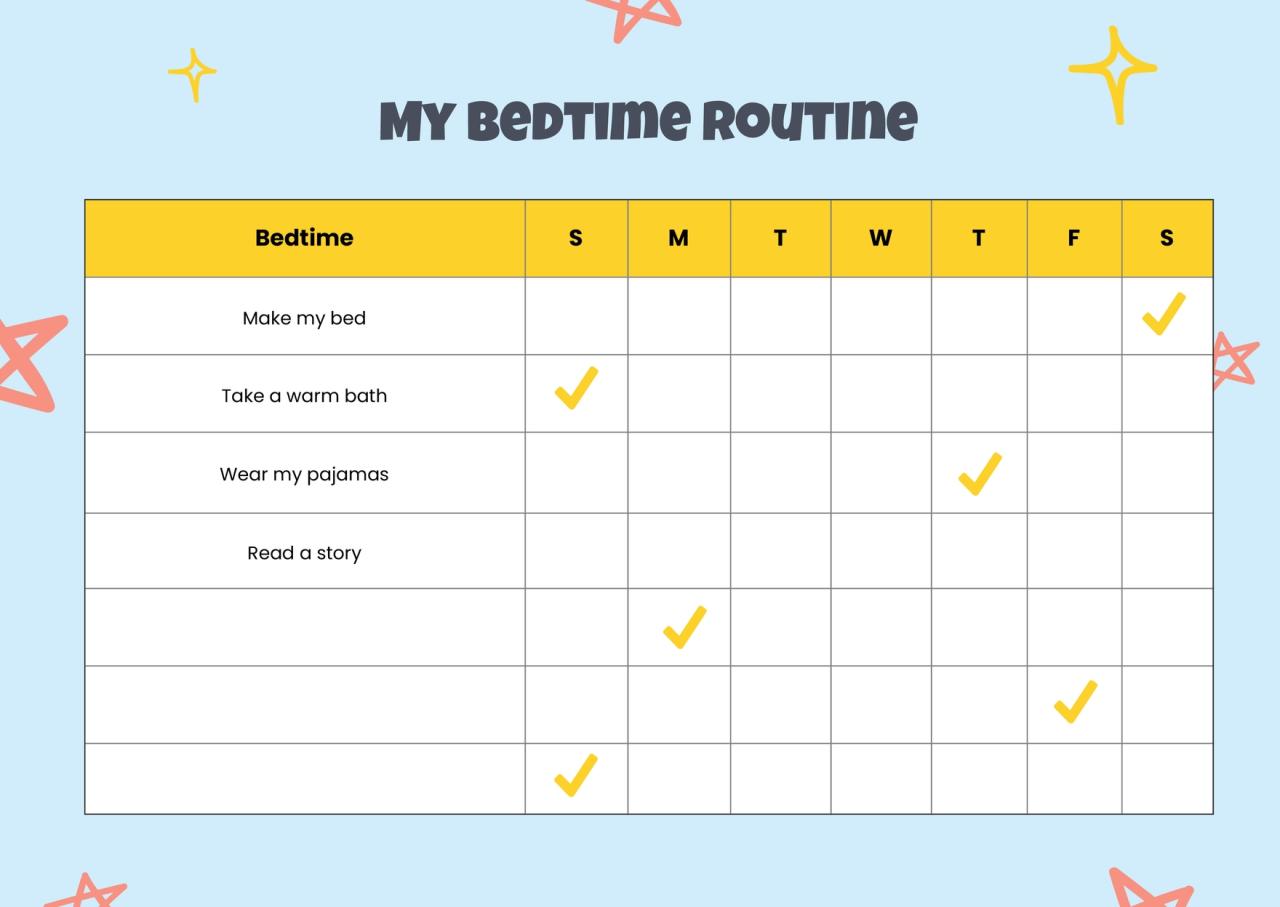
Enhancing your bedtime routine with advanced techniques can significantly improve sleep quality. These techniques delve deeper into relaxation and mental preparation, allowing for a more profound and restorative sleep experience. By incorporating these practices, individuals can better manage stress and anxiety, leading to a more consistent and peaceful transition to sleep.
Progressive Muscle Relaxation
Progressive muscle relaxation involves systematically tensing and releasing different muscle groups in the body. This technique helps to release physical tension, a common contributor to sleeplessness. By focusing on the sensations of tension and relaxation, individuals can become more aware of physical stress and learn to effectively release it. This awareness can be a valuable tool in managing stress and anxiety before bed.
Visualization Techniques
Visualization techniques can be powerful tools for sleep preparation. By focusing on peaceful and calming imagery, individuals can create a mental sanctuary that promotes relaxation. For instance, visualizing a serene beach scene, a quiet forest, or a tranquil meadow can induce a state of calm and reduce racing thoughts. This technique can be particularly effective for individuals struggling with racing thoughts or anxieties that keep them awake.
Nature Sounds and Calming Music
Nature sounds and calming music can create a soothing auditory environment that promotes relaxation. The rhythmic sounds of rain, waves, or birdsong can mimic the natural soundscapes that our bodies associate with rest and rejuvenation. Similarly, calming music with a slow tempo and gentle melodies can create a tranquil atmosphere that eases the mind and prepares the body for sleep.
Consider instrumental music or classical pieces for optimal results.
Breathing Exercises for Relaxation
Specific breathing exercises can be highly effective in promoting relaxation and reducing stress. Techniques like deep breathing exercises, box breathing, and alternate nostril breathing can help to slow the heart rate, calm the mind, and regulate the nervous system. These techniques can be particularly beneficial for individuals who experience anxiety or difficulty falling asleep due to racing thoughts.
Consistent practice can lead to a more profound sense of calm and readiness for sleep.
Summary Table of Advanced Techniques
| Technique | Potential Impact on Sleep |
|---|---|
| Progressive Muscle Relaxation | Reduces physical tension, promotes relaxation |
| Visualization Techniques | Creates a calming mental space, reduces racing thoughts |
| Nature Sounds/Calming Music | Creates a soothing auditory environment, promotes relaxation |
| Breathing Exercises | Slows heart rate, calms the mind, regulates nervous system |
Example Routine Structures

Establishing a consistent bedtime routine is crucial for promoting healthy sleep habits. A well-structured routine signals to the body and mind that it’s time to wind down, preparing for restful sleep. This section provides examples of tailored routines for different age groups and lifestyles, demonstrating how to adapt these routines to individual needs.
Children’s Bedtime Routines
A child’s bedtime routine should be age-appropriate and engaging, gradually introducing more independent activities as they mature. The goal is to create a relaxing and predictable transition from active play to restful sleep.
- Preschool (3-5 years): This age group benefits from a structured routine that incorporates familiar elements. A typical routine might include a bath, a story time with a parent or caregiver, and a quiet playtime activity like coloring or puzzles. These activities help children feel safe and secure. Finally, a good night kiss and a bedtime song can be included to establish a positive and comforting association with sleep.
- Elementary School (6-12 years): Children in elementary school are more capable of independent tasks. The routine can incorporate more autonomy, such as choosing a book to read or selecting a relaxing activity like drawing or listening to calming music. Maintaining consistent bedtimes and wake-up times remains essential. Parents can still participate in the routine, offering reassurance and support.
- Tweens (12-14 years): This is a period of significant transition. Tweens may desire more independence and control over their routines. Routines should accommodate this desire for autonomy while ensuring essential elements are maintained, such as a warm bath, meditation, or journaling. Communicating with teenagers and respecting their preferences is key to maintaining adherence to the routine. Ensure a healthy balance of screen time and other activities.
Teen Bedtime Routine
Teenagers often face unique challenges in establishing and maintaining a consistent bedtime routine due to social pressures, academic demands, and extracurricular activities. A well-structured routine can promote better sleep quality and overall well-being.
- Core Components: A typical teen routine might include a relaxing activity such as taking a warm bath, listening to calming music, or practicing a brief meditation session. A light snack (if needed) followed by a dedicated quiet reading time can also be beneficial. Ensuring adequate screen time limitations, particularly before bedtime, is also crucial. Consistent bedtimes and wake-up times are essential to regulate their circadian rhythm.
- Adapting to Schedules: Teenagers often have packed schedules. Flexibility is key to adapting the routine to fit their specific needs. Adjusting the timing of activities or reducing the duration of some tasks can make the routine more manageable. Encourage open communication and collaboration to find solutions that work for everyone.
Adult Bedtime Routine
Adults require a routine that prioritizes stress reduction and relaxation to promote healthy sleep patterns.
- Example Structure: A typical routine might include a relaxing bath or shower, followed by gentle stretching or light yoga. Reading a book, listening to calming music, or engaging in a mindfulness practice can be beneficial. A warm cup of herbal tea or a light snack can contribute to a sense of calm before sleep. Maintaining a consistent sleep schedule, even on weekends, is vital.
- Lifestyle Considerations: Adjusting routines for different lifestyles requires flexibility and creativity. For individuals with demanding jobs or busy schedules, shorter meditation sessions or alternative relaxation techniques may be more appropriate. Prioritizing quality sleep over quantity is important.
Routine Adaptation and Sample Table
Individual lifestyles and schedules require customized routines. Flexibility and creativity are key to creating a routine that fits individual needs.
| Age Group | Activity | Time Allocation (approx.) |
|---|---|---|
| Children (Preschool) | Bath | 15 minutes |
| Children (Preschool) | Story Time | 15 minutes |
| Children (Preschool) | Quiet Play | 10 minutes |
| Children (Preschool) | Bedtime Routine | 45 minutes |
| Teenagers | Relaxing Activity (e.g., reading) | 30 minutes |
| Teenagers | Meditation/Mindfulness | 10 minutes |
| Teenagers | Wind-Down | 60 minutes |
| Adults | Relaxing Activity | 20 minutes |
| Adults | Meditation/Mindfulness | 15 minutes |
| Adults | Reading/Calming Activity | 30 minutes |
Final Wrap-Up
In conclusion, creating a bedtime routine with meditation involves a multifaceted approach, encompassing routine structure, mindful practices, a calming environment, and strategies for addressing potential obstacles. By implementing the techniques and strategies Artikeld in this guide, you can cultivate a healthier sleep-wake cycle and enjoy the profound benefits of improved sleep quality and overall well-being. This personalized approach will help you design a routine that works best for you.