Finding tranquility before sleep is crucial for a restorative night’s rest. This guide delves into the power of breathing techniques to cultivate relaxation, enabling a smoother transition into a peaceful slumber. By understanding the physiological benefits of relaxation and mastering various breathing exercises, you can significantly enhance your sleep quality.
The methods explored in this comprehensive guide range from simple diaphragmatic breathing to more advanced techniques like the 4-7-8 method. We will also examine how to integrate these practices into a consistent pre-sleep routine, creating a calming environment conducive to deep relaxation and restful sleep.
Introduction to Relaxation Techniques Before Bed
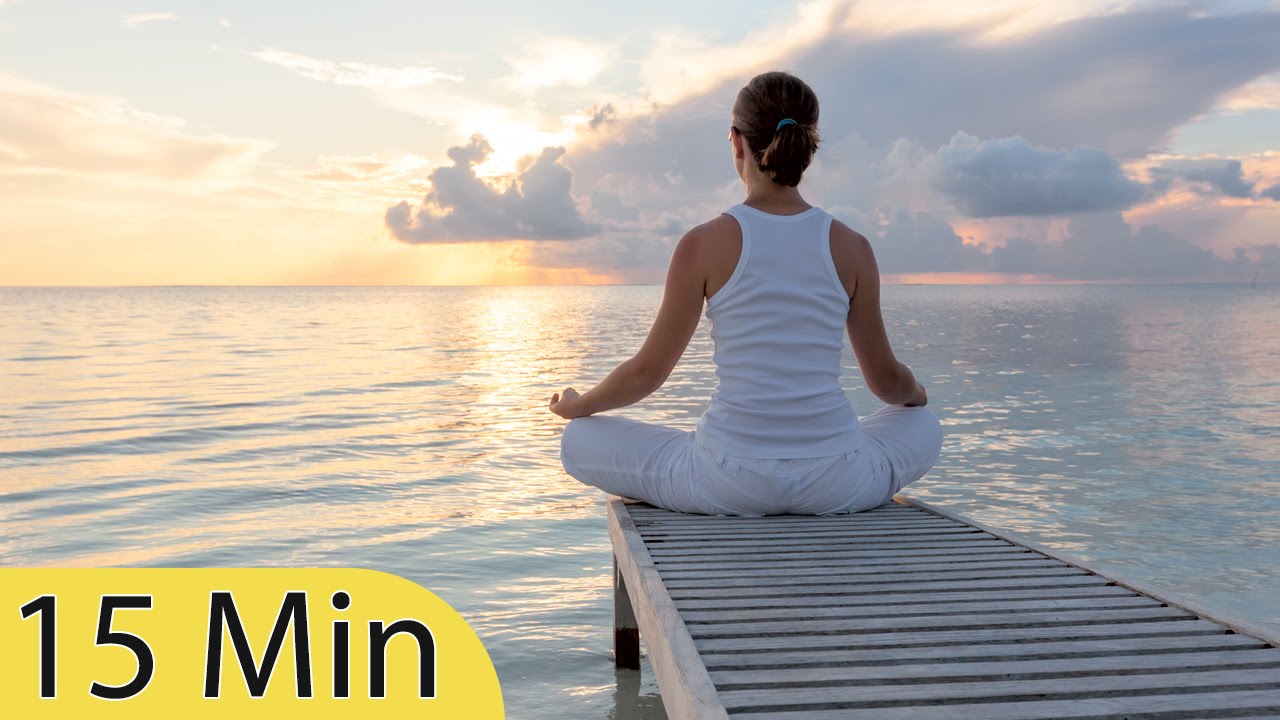
Prioritizing relaxation before bedtime is crucial for achieving restorative sleep. A calm and peaceful state of mind allows the body to transition smoothly into a sleep-conducive physiological state. This preparation is essential for both the quality and quantity of sleep, impacting overall well-being.Relaxation before sleep isn’t merely a luxury; it’s a necessity. The physiological benefits of relaxation are numerous, encompassing reduced stress hormones, lowered heart rate and blood pressure, and improved muscle tension.
These physiological changes facilitate a more restful sleep experience, resulting in better cognitive function, mood regulation, and overall health.
Physiological Benefits of Relaxation for Sleep Quality
Relaxation techniques before bed promote a favorable internal environment for sleep. By reducing stress and anxiety, relaxation techniques can decrease the production of cortisol, a hormone linked to stress. This decrease allows the body to naturally regulate its internal processes, including the sleep-wake cycle, preparing the body for a deeper, more restorative sleep. Moreover, relaxation lowers heart rate and blood pressure, allowing for a more peaceful transition into sleep.
This, in turn, contributes to a more restful and rejuvenating sleep experience.
Different Types of Relaxation Methods
Various relaxation techniques can be employed to induce a calming state before bedtime. These methods range from simple breathing exercises to more elaborate practices like mindfulness and progressive muscle relaxation. The choice of method often depends on individual preferences and the specific needs of the individual.
Role of Breathing Exercises in Promoting Relaxation
Breathing exercises play a pivotal role in promoting relaxation. Controlled and rhythmic breathing can calm the nervous system, reducing feelings of anxiety and stress. This process is supported by the physiological effects of controlled breathing, including slowing the heart rate, lowering blood pressure, and promoting a sense of calm. Consistent practice can lead to improved sleep quality and a more relaxed state of mind.
Relaxation Methods Table
| Relaxation Method | Description |
|---|---|
| Progressive Muscle Relaxation | This method involves systematically tensing and relaxing different muscle groups in the body. The focus on physical relaxation extends to a mental state of calm. |
| Mindfulness Meditation | Mindfulness involves focusing on the present moment without judgment. Practicing mindfulness can calm the mind, reduce racing thoughts, and promote a sense of peace. |
| Guided Imagery | Guided imagery involves creating a mental image of a peaceful or calming environment. This practice can distract from anxious thoughts and promote relaxation. |
| Deep Breathing Exercises | These exercises involve slow, deep breaths that increase oxygen intake and reduce stress hormones. This approach fosters a sense of calm and tranquility. |
| Yoga | Yoga combines physical postures, breathing techniques, and meditation. This practice can promote physical and mental relaxation, creating a peaceful state for better sleep. |
Understanding Breathing Techniques for Relaxation

Effective relaxation before sleep often hinges on mastering breathing techniques. These techniques, when integrated into a pre-sleep routine, can calm the nervous system, reduce stress, and promote a more restful night’s sleep. Learning and practicing these techniques can significantly improve sleep quality and overall well-being.
Diaphragmatic Breathing Explained
Diaphragmatic breathing, often referred to as abdominal breathing, is a powerful technique that engages the diaphragm, the primary muscle responsible for breathing. By focusing on this muscle, you can regulate your breath and encourage a more relaxed state. This process is crucial for calming the mind and body, preparing you for a peaceful night’s sleep.
Steps in Practicing Diaphragmatic Breathing
This technique involves consciously coordinating your breath with the movement of your diaphragm. The diaphragm is a large, dome-shaped muscle located below the lungs. When you inhale, the diaphragm contracts and moves downwards, creating space for the lungs to expand and fill with air. Conversely, when you exhale, the diaphragm relaxes and moves upwards, pushing the air out of the lungs.
Learning to consciously engage this process is key to relaxation.
Step-by-Step Guide to Diaphragmatic Breathing Before Bed
- Find a comfortable seated or lying position. Choose a quiet space free from distractions.
- Place one hand on your chest and the other on your abdomen.
- Inhale slowly and deeply through your nose, allowing your abdomen to rise as your diaphragm expands. Notice the hand on your abdomen moving outwards.
- Exhale slowly and completely through your mouth, feeling your abdomen fall as your diaphragm relaxes. Notice the hand on your abdomen moving inwards.
- Repeat this process for 5-10 minutes, focusing on the smooth, controlled movement of your breath and the rise and fall of your abdomen.
Comparison of Diaphragmatic Breathing with Other Techniques
Diaphragmatic breathing differs from other breathing techniques in its emphasis on the diaphragm’s role in inhalation and exhalation. While other techniques, such as box breathing, focus on specific patterns, diaphragmatic breathing prioritizes the natural, rhythmic movement of the diaphragm for relaxation. Box breathing, for example, emphasizes equal duration for inhalation, holding, exhalation, and holding phases, promoting a sense of calmness through controlled rhythm.
Understanding the differences in these techniques is crucial for selecting the method that best suits your needs.
Types of Breathing Exercises for Relaxation Before Sleep
Various breathing exercises can aid relaxation before sleep. These include:
- Box Breathing: Involves inhaling, holding, exhaling, and holding your breath for equal durations, creating a structured rhythm for calming the mind.
- Alternate Nostril Breathing (Nadi Shodhana): Involves gently blocking one nostril at a time while inhaling and exhaling through the other, promoting balance and focus.
- Circular Breathing: Involves a cyclical pattern of inhalation and exhalation, emphasizing the smooth transition between breaths for deep relaxation.
Integrating Mindful Breathing into a Pre-Sleep Routine
Incorporating mindful breathing into a pre-sleep routine can be achieved by allocating a specific time for practice, perhaps 15-30 minutes before bed. This routine should ideally include a quiet environment, comfortable posture, and focused attention on the breath. Consistent practice can lead to significant improvements in sleep quality and overall well-being.
Comparison of Breathing Techniques
| Breathing Technique | Effectiveness | Ease of Practice |
|---|---|---|
| Diaphragmatic Breathing | High – promotes deep relaxation and reduces stress | Medium – requires initial focus and awareness |
| Box Breathing | High – provides structured calmness | Low – requires consistent practice for proper timing |
| Alternate Nostril Breathing | Medium – promotes balance and focus | Medium – requires some practice to master nostril blockage |
| Circular Breathing | Medium – encourages smooth transitions | High – relatively easy to learn |
Practical Breathing Exercises for Relaxation

Prioritizing relaxation before sleep is crucial for a restorative night’s rest. Effective breathing techniques can significantly influence your physiological state, calming your mind and body and preparing you for a peaceful slumber. These exercises offer a powerful tool for managing stress and promoting overall well-being.
The 4-7-8 Breathing Technique
The 4-7-8 breathing technique, a powerful tool for relaxation, is a simple yet effective method for calming the nervous system. It involves specific inhalation and exhalation durations that induce a state of tranquility.
This technique can be particularly beneficial for individuals experiencing anxiety, stress, or difficulty falling asleep.
Benefits of the 4-7-8 Technique
This technique offers a range of benefits, including reduced stress and anxiety, improved sleep quality, and enhanced focus and concentration. It helps regulate the autonomic nervous system, promoting a sense of calm and well-being.
Step-by-Step Guide to the 4-7-8 Exercise
This method involves a specific sequence of inhalations and exhalations:
- Exhale completely through your mouth, making a “whoosh” sound.
- Close your mouth and inhale silently through your nose for a count of four.
- Hold your breath for a count of seven.
- Exhale completely through your mouth, making a “whoosh” sound for a count of eight.
- Repeat this cycle several times, until you feel a sense of calm.
Categorized Breathing Exercises
Various breathing exercises can be tailored to specific needs. Here are some examples, categorized by their intended effect:
Calming Exercises
These exercises focus on slowing the breath and promoting relaxation.
- Diaphragmatic Breathing: Focus on expanding your belly as you inhale, and contracting it as you exhale. This deepens the breath, calming the nervous system.
- Box Breathing: Inhale for a count of four, hold for four, exhale for four, and hold for four. This rhythmic pattern regulates the breath, reducing anxiety.
Energizing Exercises
These exercises focus on increasing energy levels and promoting alertness.
- Alternate Nostril Breathing (Nadi Shodhana): Inhale through one nostril, exhale through the other, and repeat. This exercise stimulates the parasympathetic nervous system, promoting calmness and reducing stress.
Breath Awareness in Relaxation
Focusing on the sensation of your breath is crucial for inducing relaxation. Mindful awareness of the breath can help anchor you in the present moment, reducing racing thoughts and anxieties. This awareness allows you to observe your breath without judgment, promoting a sense of calm.
Adapting Breathing Exercises
Breathing exercises can be adapted to individual needs and preferences. Consider factors like your current physical condition, mental state, and the desired outcome when selecting or modifying an exercise. If you have any underlying health conditions, consult with a healthcare professional before incorporating new breathing exercises into your routine.
Table of Breathing Exercises
| Exercise | Duration (approx.) | Benefits |
|---|---|---|
| Diaphragmatic Breathing | 5-10 minutes | Reduces stress, promotes relaxation, improves sleep quality. |
| Box Breathing | 5-10 minutes | Reduces anxiety, improves focus, enhances emotional regulation. |
| 4-7-8 Breathing | 5-10 minutes | Calms the nervous system, eases anxiety, improves sleep. |
| Alternate Nostril Breathing | 5-10 minutes | Promotes calmness, reduces stress, enhances focus. |
Creating a Relaxing Pre-Sleep Routine

A consistent pre-sleep routine is crucial for promoting relaxation and improving sleep quality. Establishing a calming ritual signals to your body that it’s time to wind down, preparing you for a restful night’s sleep. This routine should incorporate relaxation techniques, a calming environment, and a consistent sleep schedule to optimize your sleep experience.A well-structured pre-sleep routine can significantly improve your sleep quality and overall well-being.
By incorporating specific activities and mindfulness practices, you can effectively manage stress and prepare your body and mind for a peaceful night’s rest. This section will delve into the details of crafting such a routine.
Structuring Your Pre-Sleep Routine with Breathing Exercises
Incorporating breathing exercises into your pre-sleep routine can significantly enhance relaxation. A structured approach helps create a consistent and effective relaxation practice. Start by allocating a specific timeframe for your routine, ideally 30-60 minutes before bedtime. This allows ample time for relaxation and reduces the likelihood of feeling rushed.
- Sequence of Activities: Begin with a few minutes of gentle stretching, followed by a series of calming breathing exercises. This helps to ease muscle tension and prepare the body for rest. Then, incorporate relaxation techniques like progressive muscle relaxation or guided imagery. Finally, engage in a calming activity, such as reading or listening to calming music, to further promote relaxation.
- Consistency is Key: Adhering to a consistent schedule is paramount for optimizing the effectiveness of your pre-sleep routine. This consistency signals to your body that it’s time to prepare for sleep, thus promoting better sleep quality. A regular sleep-wake cycle, even on weekends, is vital to maintain a healthy sleep-wake rhythm.
Creating a Calming Environment
A calming environment is essential for effective pre-sleep relaxation. The bedroom should be conducive to relaxation and sleep. Dim the lights, reduce noise, and use calming colors to create a peaceful atmosphere.
- Darkness and Silence: A dark and quiet environment is crucial for promoting melatonin production, which is essential for regulating sleep. Consider using blackout curtains, earplugs, or a white noise machine to block out disruptive light and noise.
- Temperature Control: Maintaining a comfortable room temperature is important. A slightly cool room (around 65 degrees Fahrenheit) is often optimal for sleep.
- Comfort and Ergonomics: Ensure your bed and bedding are comfortable and supportive. A good mattress and pillows can greatly impact sleep quality.
Establishing a Consistent Sleep Schedule
A consistent sleep schedule is vital for regulating your body’s natural sleep-wake cycle. This regularity signals to your body when it’s time to sleep and wake up.
- Regular Bedtime and Wake-up Time: Aim for a consistent bedtime and wake-up time, even on weekends, to reinforce your body’s natural sleep-wake cycle. This consistency promotes better sleep quality and regularity.
- Adjusting Gradually: If you have a significantly irregular sleep schedule, gradually adjust your bedtime and wake-up time to achieve a more consistent routine. This prevents drastic changes that can disrupt your sleep.
The Role of Mindfulness in Pre-Sleep Relaxation
Mindfulness practices can significantly enhance pre-sleep relaxation. Mindfulness helps you focus on the present moment without judgment, reducing stress and anxiety. This can improve sleep quality.
- Mindful Breathing: Incorporate mindful breathing exercises into your routine. Focus on the sensation of each breath entering and leaving your body. This practice can calm the mind and body, promoting relaxation.
- Body Scan Meditation: A body scan meditation involves bringing awareness to different parts of your body, noticing any tension or discomfort. This process can help release physical tension and promote relaxation.
Calming Activities for a Pre-Sleep Routine
Integrating calming activities into your pre-sleep routine can enhance relaxation and promote better sleep.
Examples of calming activities include: reading a book, listening to calming music, taking a warm bath, practicing gentle yoga or stretching, journaling, or engaging in a hobby you find relaxing.
Addressing Common Challenges and Considerations

Incorporating relaxation techniques into a pre-sleep routine can be beneficial, but challenges may arise. Understanding potential obstacles and strategies for overcoming them is crucial for successful implementation. This section explores common hurdles and offers practical advice for tailoring breathing exercises to individual needs and circumstances.Addressing challenges head-on is key to maintaining a consistent relaxation practice before bed. Overcoming these obstacles can lead to improved sleep quality and overall well-being.
Recognizing factors that interfere with relaxation, and knowing how to modify techniques, can help you achieve the desired calming effect.
Potential Obstacles to Incorporating Breathing Exercises
Many individuals find it challenging to consistently incorporate breathing exercises into their routine. Time constraints, distractions, and a lack of awareness about the importance of relaxation are common obstacles. A lack of motivation or inconsistent practice can also hinder progress. Other factors, such as discomfort during the exercises, can lead to discouragement.
- Time Constraints: Fitting breathing exercises into a busy schedule can be difficult. Scheduling short, dedicated relaxation periods can help, even if it’s just 5-10 minutes before bed. Breaking down the exercises into shorter sessions throughout the day can also be beneficial.
- Distractions: External factors such as noise, light, or other responsibilities can disrupt focus during breathing exercises. Identifying and minimizing distractions, perhaps using noise-canceling headphones or creating a calming environment, can help maintain concentration.
- Lack of Awareness: Some individuals may not fully grasp the importance of relaxation before sleep, or the benefits of incorporating breathing exercises into their routine. Educating oneself about the physiological benefits of relaxation can increase motivation and commitment to the practice.
- Lack of Motivation/Inconsistent Practice: Maintaining consistent practice is essential for experiencing the full benefits of breathing exercises. Setting realistic goals, celebrating small victories, and incorporating relaxation into a routine can help to establish a sustainable practice. Remembering the positive impact on sleep and overall well-being can also increase motivation.
- Discomfort During Exercises: Some individuals may experience discomfort or unusual sensations during breathing exercises, leading to discouragement. Adjusting the technique, seeking guidance from a qualified instructor, or slowing down the pace can alleviate any discomfort. Experimenting with different types of breathing techniques may also help.
Factors Interfering with Relaxation Before Sleep
Several factors can disrupt relaxation before sleep, including stress, anxiety, and physical discomfort. These factors can interfere with the ability to calm the mind and body, making it difficult to fall asleep. Understanding these potential disruptions can help individuals develop strategies to mitigate their impact.
- Stress and Anxiety: Stress and anxiety are common causes of difficulty relaxing before bed. Mindfulness techniques, progressive muscle relaxation, or engaging in calming activities like reading or listening to calming music can help to manage these emotions.
- Physical Discomfort: Physical ailments such as pain, indigestion, or an uncomfortable sleeping environment can disrupt relaxation and sleep. Addressing the underlying physical issue or making adjustments to the sleep environment (such as using a comfortable pillow or adjusting the temperature) can be beneficial.
- Stimulants: Caffeine and nicotine intake close to bedtime can hinder relaxation. Avoiding these substances several hours before sleep can improve relaxation and sleep quality.
- Uncomfortable Sleeping Environment: A noisy, overly bright, or uncomfortable sleep environment can prevent relaxation and promote sleep disruption. Creating a dark, quiet, and cool environment can improve sleep quality.
Tailoring Breathing Exercises to Individual Needs
Breathing exercises should be tailored to individual needs and circumstances. Modifying techniques based on physical limitations or preferences can enhance the effectiveness and enjoyment of the exercises. Experimentation and self-awareness are key to identifying the most suitable approaches.
| Situation/Condition | Modification Advice |
|---|---|
| Physical Limitations | Adjust the depth and pace of breaths, ensuring comfort and avoiding strain. |
| Anxiety or Stress | Focus on slow, deep breaths, incorporating mindfulness and visualization techniques. |
| Chronic Pain | Use gentle, controlled breathing techniques, focusing on relaxation in specific areas experiencing pain. Consult with a healthcare professional for guidance specific to the condition. |
| Pregnancy | Adjust breathing techniques to accommodate the changing body. Deep abdominal breaths are often helpful. Consult with a healthcare professional. |
Consulting a Healthcare Professional
Persistent sleep issues can indicate underlying medical conditions. Consulting a healthcare professional is important for diagnosis and treatment. They can help determine if there are any underlying medical conditions contributing to sleep problems.
Illustrative Examples of Breathing Exercises
Learning to effectively utilize breathing techniques is crucial for achieving relaxation before bed. These exercises, combined with mindful practices, can significantly reduce stress and promote a peaceful transition into sleep. This section offers practical examples to help you integrate these techniques into your nightly routine.Progressive muscle relaxation, combined with controlled breathing, is a powerful method for unwinding before sleep.
This technique involves systematically tensing and releasing different muscle groups in the body, while simultaneously focusing on deep, rhythmic breaths. The process helps to release physical tension and calm the mind, creating a sense of deep relaxation.
Progressive Muscle Relaxation with Breathing
Progressive muscle relaxation involves systematically tensing and releasing different muscle groups. This is paired with controlled breathing to enhance the relaxation response. Begin by inhaling deeply and exhaling slowly. As you exhale, tense a specific muscle group, such as your hands, for a few seconds. Hold the tension, then release it slowly while exhaling deeply.
Continue this process with other muscle groups, like your arms, shoulders, chest, and legs. Focus on the sensations of tension and release, and on the rhythm of your breath. Each muscle group is tensed and released while focusing on a slow and controlled breathing pattern. This rhythmic pattern helps to deepen the relaxation process.
Guided Imagery Scripts for Relaxation
Guided imagery scripts are powerful tools for promoting relaxation before bed. They provide a structured mental pathway to a calming state, helping to quiet the mind and reduce racing thoughts. The scenarios described in these scripts are tailored to evoke feelings of peace and tranquility.
Guided imagery scripts are particularly effective when paired with deep breathing exercises. The visualization and the breathing act in concert to create a state of profound relaxation.
Here’s an example of a guided imagery script:Imagine yourself lying on a sun-drenched beach. The gentle sound of waves lapping against the shore is your only companion. Feel the warm sand beneath you. The sun’s warmth caresses your skin. Close your eyes and take a deep breath.
Visualize the soft, white sand, the clear turquoise water, and the bright blue sky. Feel the tranquility of the moment, and let your worries drift away with the receding tide.
Nature Sounds in Pre-Sleep Routine
Incorporating nature sounds into your pre-sleep routine can further enhance relaxation. The calming effect of natural sounds like rain, wind, or flowing water can help to soothe the mind and create an atmosphere conducive to sleep. The consistent and rhythmic nature of these sounds often mimics the natural rhythms of the body, further encouraging relaxation.
Examples of Guided Imagery Scenarios
| Scenario | Relaxation Properties |
|---|---|
| Peaceful Forest Walk | Evokes a sense of calm and serenity, promoting a sense of peace and quietude. |
| Floating on a Cloud | Promotes a sense of lightness and detachment from daily worries, fostering a feeling of weightlessness and peace. |
| Ocean Cruise at Sunset | Creates a tranquil and picturesque scene, encouraging feelings of calmness and wonder. |
| Mountaintop Retreat | Creates a sense of elevation and detachment from everyday stressors, allowing for a sense of clarity and calm. |
Calming Visualization Technique with Breathing
This visualization technique combines the power of imagery with controlled breathing. Imagine a tranquil place – a meadow bathed in sunlight, a serene forest, or a cozy cabin by a fireplace. Focus on the details of this scene – the colors, the sounds, the smells. Inhale deeply as you immerse yourself in this image, and exhale slowly as you release any tension.
Repeat this process several times, deepening your connection to the visualized scene and allowing your mind to settle.
Contrasting Visualization Techniques and Their Impact on Relaxation
| Visualization Technique | Impact on Relaxation |
|---|---|
| Nature Scenes | Promotes tranquility, grounding, and a sense of connection with the natural world. |
| Relaxing Interiors | Evokes a sense of comfort, safety, and security, fostering feelings of calm and peace. |
| Abstract Visualizations | Can help quiet the mind and promote a state of mental detachment, allowing for a more meditative experience. |
| Past Positive Memories | Evokes positive emotions, creating a sense of contentment and well-being. |
Final Summary
In conclusion, mastering the art of relaxation before bed through mindful breathing can lead to significant improvements in sleep quality. This guide has provided a structured approach to incorporating breathing exercises into your pre-sleep routine, allowing you to tailor these techniques to your individual needs and preferences. Remember that consistency is key, and a supportive environment can further enhance the effectiveness of these practices.
Prioritize your well-being and experience the restorative power of mindful breathing before bed.