Modern life often intertwines with technology, making it challenging to disconnect and achieve restful sleep. This guide delves into the intricate relationship between phone use and sleep patterns, offering practical strategies to minimize screen time before bed and cultivate healthy sleep habits. The impact of blue light on melatonin production, the influence of various phone activities, and different sleep routines are all examined in detail to provide a comprehensive understanding.
By understanding the correlation between phone usage and sleep, individuals can identify their own habits and patterns to effectively adjust their routines. This exploration provides actionable steps to improve sleep quality, emphasizing a gradual transition towards a phone-free bedtime routine. Ultimately, this approach promotes a healthier sleep-wake cycle and overall well-being.
Understanding Phone Use and Sleep Patterns
The pervasive use of smartphones has significantly altered modern lifestyles, impacting various aspects of our well-being, including sleep. This section delves into the correlation between phone usage before bed and sleep quality, exploring the mechanisms behind this relationship. Understanding these dynamics is crucial for establishing healthier sleep habits.Excessive phone use before sleep can disrupt the natural sleep-wake cycle, leading to poor sleep quality and potentially impacting overall health.
Factors such as the blue light emitted from screens, the engaging nature of various phone activities, and the potential for stress and anxiety all contribute to this disruption. This section details these factors and their impact on sleep.
Correlation Between Phone Use and Sleep Quality
The use of phones before bed is strongly linked to sleep quality. The blue light emitted from screens interferes with the body’s natural production of melatonin, a hormone crucial for regulating sleep. Delayed or suppressed melatonin production leads to difficulty falling asleep and staying asleep, impacting sleep duration and overall sleep quality.
Examples of Phone Usage Habits and Their Impact
Various phone activities can have different effects on sleep. Social media scrolling, for instance, often involves engaging content that can trigger feelings of excitement or anxiety, potentially delaying sleep onset. Gaming can also have a stimulating effect, keeping the mind active and hindering relaxation. Checking emails, especially if dealing with work-related issues, can induce stress and worry, making it challenging to unwind before bed.
Impact of Blue Light on Melatonin Production
Blue light, a component of the visible spectrum emitted from phone screens, has a significant impact on melatonin production. The body’s natural circadian rhythm, which dictates sleep-wake cycles, is sensitive to light exposure. Blue light effectively suppresses melatonin production, making it harder for the body to prepare for sleep. This disruption can lead to various sleep disturbances, including insomnia and fragmented sleep.
Comparison of Sleep Patterns
Individuals who extensively use phones before bed often exhibit different sleep patterns compared to those who limit their phone use. Individuals with limited phone use before sleep typically experience a smoother transition into sleep, with fewer disruptions and a greater likelihood of achieving deep, restorative sleep. In contrast, extensive phone use before bed can result in delayed sleep onset, reduced sleep duration, and decreased sleep quality, characterized by frequent awakenings and difficulty returning to sleep.
Categorization of Phone Activities and Their Estimated Impact on Sleep
| Phone Activity | Estimated Impact on Sleep Duration | Estimated Impact on Sleep Quality |
|---|---|---|
| Social media scrolling | Potential for delayed sleep onset, reduced sleep duration | Reduced sleep quality, increased likelihood of fragmented sleep |
| Gaming | Potential for delayed sleep onset, reduced sleep duration | Reduced sleep quality, increased likelihood of fragmented sleep |
| Email checking | Potential for delayed sleep onset, reduced sleep duration | Reduced sleep quality, increased likelihood of stress and anxiety |
| Watching videos | Potential for delayed sleep onset, reduced sleep duration | Reduced sleep quality, potential for fragmented sleep |
| Reading e-books | May have minimal impact, potentially delayed sleep onset in some cases | Potentially minimal impact, or reduced sleep quality if content is engaging or stimulating |
Note: The estimated impact on sleep is relative and can vary depending on individual factors, such as the intensity of the activity, the individual’s sensitivity to blue light, and their personal sleep habits.
Strategies for Reducing Phone Use Before Bed
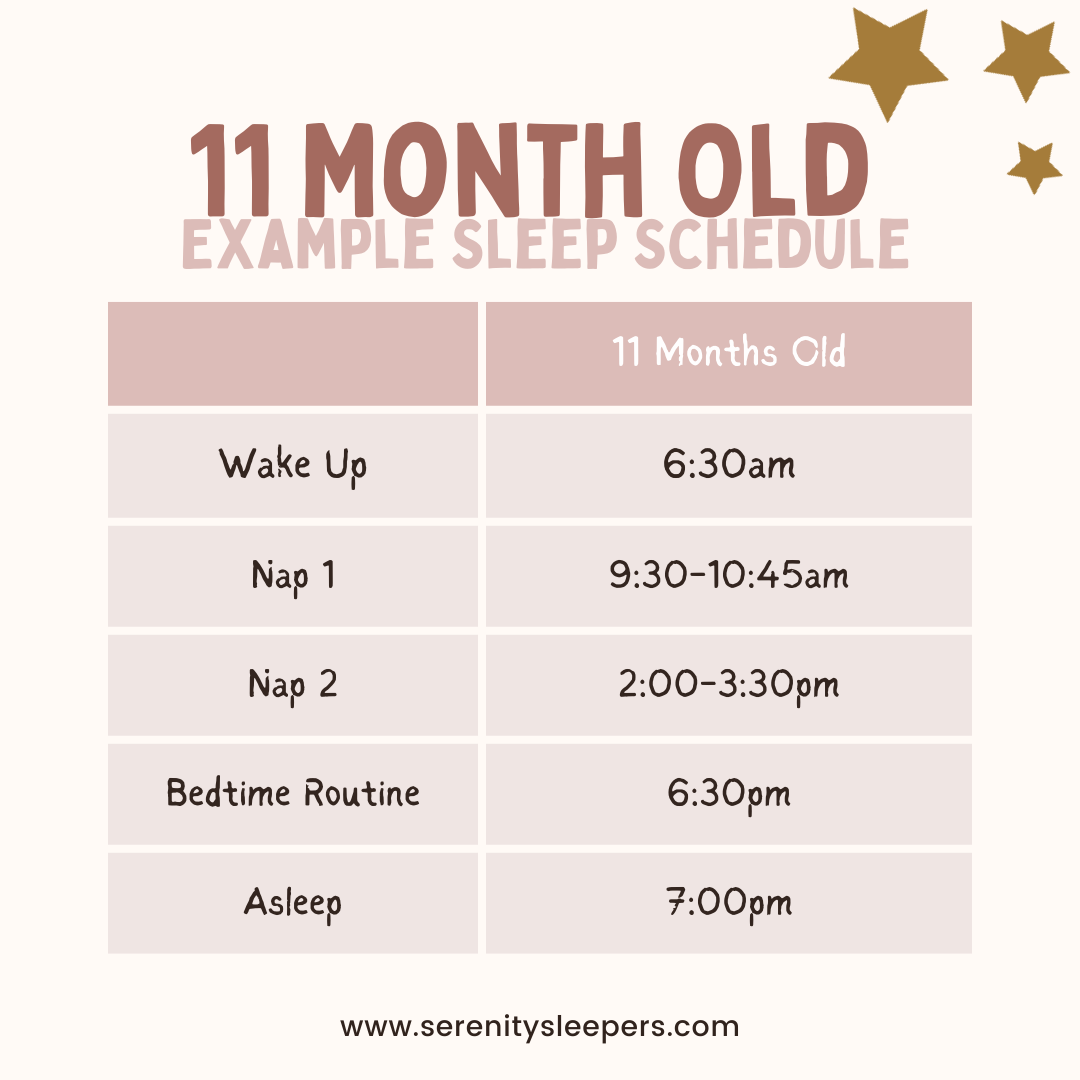
Minimizing phone use before bed is crucial for improving sleep quality. The blue light emitted from screens can interfere with the body’s natural sleep-wake cycle, making it harder to fall asleep and leading to less restorative sleep. Adopting effective strategies to manage phone use before bedtime can significantly enhance sleep health.
Practical Tips for Minimizing Phone Use
Implementing practical strategies can help reduce phone use in the hour leading up to bedtime. This involves mindful choices and establishing consistent routines. Setting specific times to put away phones, and consciously avoiding checking notifications, are essential steps. For example, designating a specific area where phones are kept away during the hour before bed can reinforce this practice.
Methods for Setting Phone Usage Limits
Various methods can help set phone usage limits, catering to different needs and preferences. Utilizing app timers built into smartphones can automatically restrict access to specific apps during designated periods. For instance, scheduling an app to turn off access to social media apps an hour before bedtime can be an effective strategy. Another method involves utilizing dedicated “phone-free” zones, such as bedrooms or designated areas of the home.
This creates a physical barrier to phone use during certain times.
Alternatives to Phone Use Before Bed
Several alternatives to phone use can promote relaxation and prepare the body for sleep. Engaging in calming activities such as reading a book, taking a warm bath, or listening to calming music can be beneficial. These activities help transition from a stimulating state to a relaxing one, conducive to sleep. Practicing relaxation techniques like deep breathing exercises or mindfulness meditation can further aid in this transition.
Utilizing Digital Well-being Apps
Many digital well-being apps provide tools for tracking phone usage and setting daily limits. These apps often offer features that monitor screen time, identify patterns of use, and provide insights into how to better manage phone usage. A typical feature might be to track time spent on different apps and set time limits for each. By utilizing these tools, users can gain a better understanding of their phone use habits and develop strategies to reduce usage before bed.
Step-by-Step Guide to a Phone-Free Bedtime Routine
This guide Artikels a structured approach to transitioning to a phone-free bedtime routine.
- Identify your current phone use patterns. Analyze how much time you spend on your phone before bed and note specific apps or activities that you engage in.
- Choose a specific time. Determine the precise hour before bed when you will stop using your phone. For example, an hour before your usual bedtime.
- Establish a designated “phone-free” zone. Designate a space in your home where you will keep your phone during the hour before bed. This zone could be a specific drawer, a charging station in another room, or a designated area of your home.
- Use app timers. Utilize built-in app timers or digital well-being apps to restrict access to specific apps during the designated time frame.
- Develop alternative activities. Prepare a list of activities to engage in during the phone-free hour, such as reading, taking a bath, listening to calming music, or practicing relaxation techniques.
- Consistency is key. Practice the new routine consistently for a week or more to develop a habit and improve sleep quality.
Alternative Activities to Promote Sleep

Cultivating a relaxing bedtime routine is crucial for achieving restful sleep. Effective sleep preparation involves engaging in activities that signal to your body it’s time to wind down. These activities, when incorporated into your daily schedule, can significantly improve your sleep quality and overall well-being.Shifting focus from stimulating phone use to calming activities before bed can dramatically impact sleep patterns.
By replacing screen time with mindful practices, you create a more conducive environment for your body to transition into a state of rest.
Calming Bedtime Routines
Establishing a consistent bedtime routine helps regulate your body’s natural sleep-wake cycle. This predictable schedule allows your body to anticipate sleep, making it easier to fall asleep and stay asleep throughout the night. Incorporating calming activities into your routine signals to your body that it’s time to relax and prepare for sleep.
- Reading a Book: Engaging in quiet reading, particularly fiction or poetry, can be a powerful tool for relaxation. The focus required for reading can help clear your mind of racing thoughts, promoting a sense of calm and tranquility. Reading a physical book, rather than an e-reader, can be particularly effective, as the tactile experience can further enhance relaxation.
- Listening to Calming Music or Nature Sounds: Soft, instrumental music or nature sounds, such as rainfall or ocean waves, can create a soothing atmosphere. The gentle melodies or sounds can mask distracting noises and promote a sense of peacefulness.
- Taking a Warm Bath or Shower: The warmth of a bath or shower can help relax your muscles and lower your body temperature, signaling to your body that it’s time to sleep. Adding essential oils, like lavender, can further enhance the relaxing effect.
- Practicing Gentle Stretching or Yoga: Light stretching or yoga poses can alleviate muscle tension and promote relaxation. These gentle movements can help release physical and mental stress accumulated throughout the day, preparing you for a restful night’s sleep.
Relaxation Techniques
Various relaxation techniques can effectively reduce stress and anxiety, promoting a more peaceful state of mind before bed. These techniques can be easily incorporated into your daily routine to help manage stress and improve sleep quality.
- Progressive Muscle Relaxation: This technique involves systematically tensing and relaxing different muscle groups in the body. By consciously releasing tension, you can reduce physical and mental stress, promoting relaxation and sleepiness.
- Mindfulness Meditation: Mindfulness meditation involves focusing on the present moment without judgment. This practice can help quiet racing thoughts and promote a sense of calm, allowing you to detach from stressful thoughts and anxieties.
- Deep Breathing Exercises: Deep breathing exercises can activate the parasympathetic nervous system, slowing your heart rate and promoting relaxation. Consciously focusing on your breath can help regulate your emotions and reduce stress.
Physical Activity and Sleep
Engaging in regular physical activity during the day can significantly contribute to better sleep. Physical activity can help regulate your sleep-wake cycle and improve sleep quality. However, it’s crucial to avoid intense exercise too close to bedtime, as this can have the opposite effect.
- Regular Exercise: Consistent physical activity, such as brisk walking, jogging, or swimming, can improve sleep quality. Exercise releases endorphins, which can have a mood-boosting effect, promoting relaxation and better sleep.
Comparison of Relaxation Techniques
| Relaxation Technique | Description | Effectiveness |
|---|---|---|
| Progressive Muscle Relaxation | Systematic tensing and relaxing of muscle groups | High, particularly for physical tension |
| Mindfulness Meditation | Focusing on the present moment without judgment | High, for managing stress and anxiety |
| Deep Breathing Exercises | Consciously focusing on deep breaths | Moderate to High, for immediate stress reduction |
Environmental Factors Affecting Sleep

Creating a conducive sleep environment is crucial for optimal sleep quality. A supportive environment minimizes distractions and promotes relaxation, allowing the body and mind to transition smoothly into a restful state. Consistent sleep patterns, coupled with a well-designed bedroom, significantly impact sleep success.Environmental factors profoundly influence our ability to sleep well. These factors, ranging from noise levels to room temperature, play a vital role in determining the quality and duration of sleep.
Understanding and addressing these factors can significantly improve sleep hygiene and lead to more restorative sleep.
Consistent Sleep Schedule
A regular sleep-wake cycle is essential for regulating the body’s natural sleep-wake rhythm, also known as the circadian rhythm. This internal clock dictates when we feel tired and when we feel alert. Maintaining a consistent sleep schedule, even on weekends, helps synchronize the body’s natural rhythms with the external world. This consistency strengthens the body’s ability to anticipate sleep, facilitating a smoother transition into and out of sleep.
A consistent sleep schedule promotes better sleep quality and duration, resulting in improved alertness and overall well-being.
Dark, Quiet Sleep Environment
A dark, quiet bedroom environment fosters relaxation and sleep onset. Exposure to light, particularly blue light emitted from electronic devices, can suppress melatonin production, a hormone crucial for regulating sleep. Similarly, excessive noise disrupts sleep, making it difficult to fall asleep and stay asleep. Minimizing light and noise before bed can significantly improve sleep quality. Using blackout curtains, earplugs, or white noise machines can create a calming atmosphere conducive to sleep.
Room Temperature and Comfort
Optimal room temperature is crucial for sleep. A slightly cool room, typically around 60-67°F (15.5-19°C), is often ideal for promoting deep sleep. Extreme temperatures can disrupt sleep, making it challenging to fall asleep and stay asleep. Maintaining a comfortable temperature, along with ensuring a comfortable mattress and bedding, enhances sleep quality. This combination of factors promotes a relaxed and comfortable environment conducive to restful sleep.
Comfortable Mattress and Bedding
A supportive and comfortable mattress is essential for promoting restful sleep. An appropriate mattress should provide adequate support for the spine and body, preventing discomfort and aches during the night. Similarly, comfortable bedding, including high-quality sheets and blankets, plays a role in regulating body temperature and promoting a relaxed and cozy sleep environment. A combination of a comfortable mattress and appropriate bedding significantly impacts sleep quality and comfort.
Creating a Sleep-Conducive Environment
Creating a dedicated sleep sanctuary is key to improving sleep quality. Consider strategies to minimize light and noise, and ensure the room is cool and comfortable. Using blackout curtains, earplugs, or a white noise machine can help. Making the room a relaxing retreat can significantly impact the sleep experience. A well-designed and conducive sleep environment sets the stage for a better night’s sleep.
This includes using calming colors, soft lighting, and comfortable textures.
Phone-Free Sleep Improvement Techniques
Embracing a phone-free sleep routine is a powerful step toward better rest. By actively minimizing phone use before bed, individuals can create a more conducive environment for restful sleep. This approach allows the body and mind to unwind naturally, leading to improved sleep quality and overall well-being.
Establishing a Regular Sleep Schedule
A consistent sleep schedule, including a regular bedtime and wake-up time, is crucial for regulating the body’s natural sleep-wake cycle, known as the circadian rhythm. This predictable pattern strengthens the body’s internal clock, making it easier to fall asleep and wake up refreshed. Maintaining a consistent sleep schedule, even on weekends, is vital for optimal sleep health. For example, a person who consistently goes to bed at 11 PM and wakes up at 7 AM will likely experience improved sleep quality compared to someone with inconsistent sleep patterns.
Avoiding Caffeine and Alcohol Close to Bedtime
Caffeine and alcohol can disrupt sleep patterns, making it challenging to fall asleep and stay asleep throughout the night. Consuming these substances close to bedtime can lead to fragmented sleep, reduced sleep quality, and daytime fatigue. Avoiding caffeine and alcohol several hours before sleep can significantly improve the quality of sleep.
Mindfulness Exercises for Better Sleep
Mindfulness practices, such as deep breathing exercises and meditation, can help calm the mind and reduce stress and anxiety. These practices promote relaxation and reduce racing thoughts that may interfere with sleep. Practicing mindfulness before bed can prepare the body for sleep and enhance sleep quality. For example, focusing on the sensation of each breath entering and leaving the body can promote a sense of calm and reduce anxious thoughts.
Managing Stress and Anxiety
Stress and anxiety are common factors that contribute to sleep problems. Identifying and managing stress-inducing factors, such as work pressures or personal challenges, is crucial for improving sleep quality. Stress management techniques, such as progressive muscle relaxation, yoga, or spending time in nature, can effectively reduce stress and anxiety levels, improving sleep. For instance, engaging in a 15-minute yoga session before bed can help calm the mind and promote relaxation, leading to a more restful sleep.
Addressing Specific Sleep Problems
Improving sleep quality is crucial for overall well-being. Many individuals experience sleep disturbances, and these problems can often be linked to lifestyle factors, including excessive phone use. Understanding the connection between phone use and sleep difficulties is the first step towards effective solutions.A significant correlation exists between the time spent engaging with electronic devices, particularly smartphones, before bedtime and the quality of sleep.
This is due to the blue light emitted from screens, which can interfere with the natural production of melatonin, a hormone essential for regulating sleep-wake cycles. Additionally, the stimulating nature of many phone activities, such as social media or engaging in mentally challenging tasks, can make it harder to fall asleep.
Common Sleep Problems and Phone Use
Many individuals experience sleep problems, and these issues can be intricately linked to phone use. The blue light emitted from screens interferes with the natural sleep-wake cycle, making it difficult to fall asleep and stay asleep. The stimulating content on phones, whether it’s social media or engaging in mentally demanding tasks, can also contribute to difficulty in falling asleep.
Potential Causes of Insomnia and Other Sleep Disorders
Insomnia, characterized by difficulty falling asleep or staying asleep, is often exacerbated by phone use. Other sleep disorders, such as sleep apnea and restless legs syndrome, may also be influenced by lifestyle factors like phone use. A combination of factors, including stress, diet, and environmental conditions, can contribute to these issues. Identifying and addressing these contributing factors can help to mitigate the impact on sleep quality.
Strategies for Dealing with Specific Sleep Problems, Including Insomnia
Effective strategies for addressing sleep problems, such as insomnia, often involve a multi-pronged approach. Minimizing phone use before bed is a fundamental strategy. Establishing a consistent sleep schedule, creating a relaxing bedtime routine, and ensuring a conducive sleep environment are also essential components. Seeking professional medical advice, especially for persistent sleep disorders, is recommended.
Checklist for Dealing with Sleep Problems
Implementing a systematic approach to address sleep problems is beneficial. Here’s a checklist of steps to consider:
- Assess Phone Use Patterns: Track your phone use before bed to identify potential correlations with sleep disturbances.
- Establish a Consistent Sleep Schedule: Go to bed and wake up at the same time each day, even on weekends, to regulate your body’s natural sleep-wake cycle.
- Create a Relaxing Bedtime Routine: Engage in calming activities, such as reading a book or taking a warm bath, to signal your body it’s time to sleep.
- Optimize Your Sleep Environment: Ensure your bedroom is dark, quiet, and cool to promote optimal sleep conditions.
- Limit Screen Time Before Bed: Avoid using electronic devices for at least an hour before bedtime to minimize the impact of blue light on sleep.
- Consult a Healthcare Professional: If sleep problems persist, consult a doctor or sleep specialist to rule out underlying medical conditions.
Healthy Sleep Hygiene Practices
Implementing healthy sleep hygiene practices can significantly improve sleep quality. A consistent sleep schedule, a relaxing bedtime routine, and a comfortable sleep environment are crucial. Maintaining a healthy diet, exercising regularly, and managing stress are also essential elements of good sleep hygiene. These practices are important for promoting overall well-being and reducing the likelihood of sleep disturbances.
- Regular Exercise: Regular physical activity can contribute to better sleep quality, but avoid strenuous exercise close to bedtime.
- Balanced Diet: A balanced diet rich in fruits, vegetables, and whole grains can promote better sleep.
- Stress Management Techniques: Practicing relaxation techniques, such as meditation or deep breathing exercises, can help manage stress, which can often contribute to sleep problems.
Long-Term Strategies for Sleep Improvement

Establishing a consistent sleep routine is crucial for long-term sleep health. A regular sleep schedule helps regulate your body’s natural sleep-wake cycle, improving sleep quality and duration over time. This consistency is key to achieving optimal sleep patterns and feeling refreshed each day.Maintaining a consistent sleep-wake cycle, coupled with healthy lifestyle choices, significantly enhances sleep quality and overall well-being.
This approach goes beyond short-term fixes and focuses on sustainable habits that promote long-term sleep improvement. Adopting these strategies can lead to a more restful and rejuvenating sleep experience over time.
Consistent Sleep Schedule
A consistent sleep schedule, including regular bedtime and wake-up times, even on weekends, helps regulate your body’s natural sleep-wake cycle, also known as the circadian rhythm. This rhythm is crucial for optimal sleep. A consistent sleep schedule allows your body to anticipate sleep and wake times, leading to better sleep quality and duration. For example, consistently going to bed and waking up at the same time, even on weekends, can strengthen the body’s natural sleep-wake cycle.
Lifestyle Changes for Long-Term Sleep Improvement
Adopting a holistic approach to lifestyle is vital for sustained sleep improvement. This includes incorporating healthy habits that support overall well-being and create a conducive environment for sleep.
- Regular Exercise: Engaging in regular physical activity is associated with better sleep quality. Exercise promotes physical and mental well-being, which can contribute to a more restful night’s sleep. However, avoid intense exercise close to bedtime, as this can sometimes have the opposite effect. Moderate-intensity exercise earlier in the day is often more beneficial.
- Stress Management Techniques: Chronic stress can significantly impact sleep quality. Practicing stress-reduction techniques, such as meditation, deep breathing exercises, or yoga, can promote relaxation and improve sleep. Finding healthy ways to manage stress is essential for long-term sleep improvement.
- Limit Exposure to Screen Time Before Bed: The blue light emitted from electronic devices can interfere with the production of melatonin, a hormone crucial for sleep regulation. Reducing screen time before bedtime can improve sleep onset and quality.
- Create a Relaxing Bedtime Routine: Establishing a relaxing bedtime routine can signal to your body that it’s time to wind down. This could include taking a warm bath, reading a book, or listening to calming music. A consistent routine helps prepare the body and mind for sleep.
Nutrition and Diet for Sleep Quality
Nutrition plays a significant role in sleep quality. The foods you consume can either promote or hinder your body’s ability to fall asleep and stay asleep. Proper nutrition provides the necessary nutrients for optimal physiological function, including sleep.
- Dietary Approaches for Optimal Sleep: Different dietary approaches can affect sleep quality. A balanced diet rich in fruits, vegetables, whole grains, and lean proteins is often recommended. A Mediterranean diet, characterized by high consumption of fruits, vegetables, and healthy fats, has been linked to improved sleep quality in some studies. Conversely, a diet high in processed foods, sugar, and caffeine can disrupt sleep patterns.
- Importance of Timing and Portion Sizes: The timing of meals and portion sizes can also affect sleep. Large meals close to bedtime can lead to digestive discomfort and disrupt sleep. Eating a light dinner several hours before bedtime can often improve sleep quality. This allows for proper digestion before sleep and prevents indigestion from interfering with sleep.
- Foods to Promote Sleep: Certain foods are known to contain compounds that promote relaxation and sleep. Examples include foods rich in magnesium, such as leafy greens and nuts, or foods containing tryptophan, which can help regulate sleep cycles. However, it’s important to consult with a healthcare professional before making significant dietary changes.
Regular Exercise and Sleep
Regular exercise is vital for better sleep. Physical activity can help regulate sleep-wake cycles and improve sleep quality. However, timing is key.
- Types of Exercise: A range of exercises, from cardio to strength training, can contribute to better sleep. The key is to find activities you enjoy and can sustain over time. Regular physical activity, especially during the day, can improve sleep quality.
- Exercise Timing: Avoid intense exercise too close to bedtime, as it can stimulate the body and make it harder to fall asleep. Aim for exercise earlier in the day for optimal sleep benefits.
Final Summary
In conclusion, this exploration of phone-free sleep improvement techniques highlights the significant role of mindful digital habits in achieving restful sleep. We’ve covered the detrimental effects of excessive screen time, practical strategies for reducing phone use before bed, alternative activities to promote relaxation, and the crucial role of environmental factors. By incorporating these techniques and long-term strategies, individuals can cultivate a consistent sleep schedule and achieve optimal sleep quality, ultimately leading to a healthier and more productive lifestyle.
This guide serves as a valuable resource for those seeking to prioritize sleep and improve their overall well-being.