Nightmares can disrupt sleep and impact daily life. This guide explores the powerful connection between meditation and nightmare reduction. We’ll delve into various meditation techniques, providing practical scripts and mindfulness exercises to help you conquer those unsettling dreams. Learn how to cultivate a sense of calm and control, transforming your sleep experience for the better.
This comprehensive approach explores not only the techniques themselves, but also the underlying reasons for nightmares, offering insights into emotional well-being and the creation of a relaxing bedtime routine. It’s a journey towards peaceful nights and a more positive sleep cycle.
Introduction to Nightmares and Meditation
Nightmares, vivid and unsettling dreams that occur during sleep, can significantly impact an individual’s sleep quality and overall well-being. They often involve feelings of fear, anxiety, and distress, leading to difficulties falling back asleep and potentially causing daytime fatigue and irritability. The impact of nightmares can extend beyond immediate sleep disruption, potentially affecting mood regulation and emotional stability over time.Stress is a known contributor to nightmares.
Elevated stress levels can increase the likelihood of experiencing nightmares and exacerbate their intensity. This is because stress hormones, such as cortisol, affect brain activity during sleep, potentially triggering vivid and disturbing dream sequences. Understanding the connection between stress and nightmares is crucial in developing effective strategies for managing these experiences.
The Role of Meditation in Stress Reduction
Meditation, a practice involving focused attention and mindfulness, is widely recognized for its ability to reduce stress and promote mental well-being. By cultivating a state of calm and awareness, meditation helps regulate the body’s stress response, decreasing the production of stress hormones. This process can lead to a more balanced and restorative sleep experience, potentially minimizing the frequency and intensity of nightmares.
Through consistent practice, meditation cultivates emotional regulation skills, which can be invaluable in coping with the anxiety and fear often associated with nightmares.
General Benefits of Meditation for Mental Well-being
Meditation offers a multitude of benefits beyond stress reduction. It enhances self-awareness by promoting mindful observation of thoughts and emotions. Regular meditation practice can foster a sense of calm and emotional stability, improving overall mental well-being. It also strengthens focus and concentration, improving cognitive function and potentially reducing the occurrence of intrusive thoughts that might contribute to nightmares.
Furthermore, meditation can cultivate compassion and empathy, fostering a more positive and balanced outlook on life.
Different Meditation Techniques
Various meditation techniques cater to different needs and preferences. Mindfulness meditation involves paying attention to the present moment without judgment, focusing on sensations, thoughts, and emotions as they arise. Loving-kindness meditation involves cultivating feelings of love, compassion, and kindness towards oneself and others. Guided meditation utilizes verbal instructions to guide the practitioner through a specific meditation experience, such as visualizing a peaceful scene or focusing on a particular mantra.
These techniques offer diverse approaches to achieving a state of calm and awareness, ultimately promoting mental well-being and potentially reducing the frequency of nightmares.
Types of Meditation for Nightmare Reduction
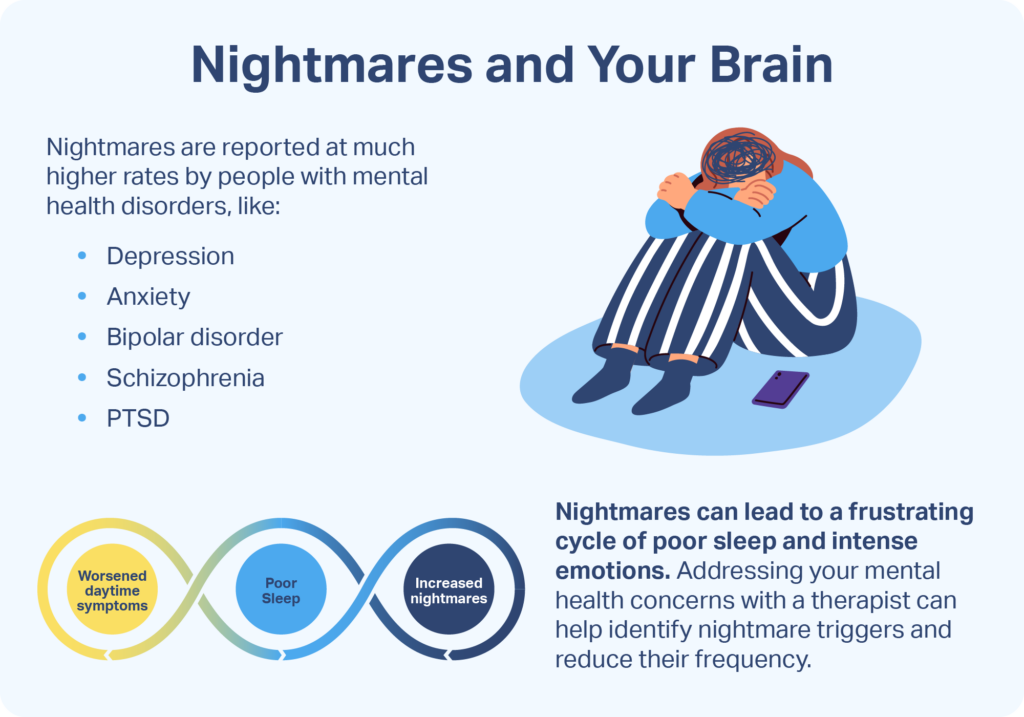
Various meditation techniques can be employed to potentially mitigate the occurrence and impact of nightmares. Understanding the diverse approaches and their potential effects on dream patterns can aid individuals in selecting a suitable method for their needs. This section explores several meditation types suitable for nightmare reduction, examining their potential benefits and contrasting their effectiveness.Different meditation practices engage various aspects of the mind and body, potentially influencing the subconscious processes involved in dreaming.
The goal is not to eliminate dreams entirely, but rather to cultivate a more balanced and positive internal state that might reduce the frequency and intensity of distressing dreams.
Mindfulness Meditation
Mindfulness meditation encourages present-moment awareness. By focusing on the sensations, thoughts, and emotions without judgment, individuals cultivate a sense of detachment from negative experiences, including nightmares. This detachment can help in recognizing and accepting the dream’s content without being overwhelmed by fear or anxiety. Regular practice can lead to a greater sense of control over emotional responses, which might, in turn, reduce the intensity and frequency of nightmares.
Loving-Kindness Meditation
Loving-kindness meditation, also known as metta meditation, cultivates feelings of compassion and loving-kindness towards oneself and others. By focusing on positive emotions, this practice can foster a sense of inner peace and well-being, which might positively impact dream patterns. A more positive emotional state could potentially reduce the likelihood of experiencing negative or frightening dreams.
Guided Imagery Meditation
Guided imagery meditation involves using vivid mental imagery to create a positive and calming experience. This technique can be highly effective for nightmare reduction by providing an alternative mental landscape. Through guided visualizations, individuals can create a safe and comforting dream environment, gradually replacing negative or frightening dream imagery with positive and uplifting ones. This conscious redirection can potentially alter dream patterns over time.
Table: Meditation Types and Potential Benefits for Nightmare Reduction
| Meditation Type | Potential Benefits | Description (brief) |
|---|---|---|
| Mindfulness Meditation | Increased awareness, emotional regulation, detachment from negative experiences | Focusing on the present moment without judgment. |
| Loving-Kindness Meditation | Cultivation of compassion, positive emotions, inner peace | Developing feelings of love and kindness towards oneself and others. |
| Guided Imagery Meditation | Creation of positive and calming dream environments, replacing negative imagery | Using vivid mental imagery to shape dreams. |
Guided Meditation Scripts for Nightmare Prevention
Guided meditation scripts offer a structured approach to calming the mind and promoting relaxation before sleep, potentially reducing the frequency and intensity of nightmares. These scripts provide a framework for focusing on positive thoughts and feelings, helping to create a more peaceful and restorative sleep environment. By incorporating specific techniques and visualizations, individuals can learn to cultivate a sense of control and safety before drifting off to sleep.
Calming Mind Before Sleep
This script focuses on gently guiding the mind towards a state of relaxation, preparing the body and mind for restful sleep. It emphasizes slowing down thoughts and breathing deeply, fostering a sense of peace and calm. This can be especially beneficial for individuals who experience racing thoughts or anxiety before bedtime.
Guided Meditation Script (Calming Mind):
Find a comfortable position, either sitting or lying down. Close your eyes gently. Take a few deep breaths, inhaling deeply through your nose and exhaling slowly through your mouth. Notice the sensation of your breath entering and leaving your body. Now, bring your attention to your body, noticing any areas of tension. Gently release those tensions with each exhale. Visualize a soft, warm light surrounding you, enveloping you in its comforting glow. Continue to focus on your breath, letting go of any thoughts or worries that arise. Feel the warmth and relaxation spreading through your body. Continue this for as long as you need. When you are ready, gently open your eyes.
Releasing Anxieties Related to Nightmares
This script aims to directly address anxieties associated with nightmares, helping individuals confront and release these fears. It utilizes positive affirmations and visualization techniques to foster a sense of control and safety.
Guided Meditation Script (Releasing Anxieties):
Begin by acknowledging any anxieties or fears related to nightmares. Allow yourself to feel these emotions without judgment. Visualize a safe space, a place where you feel secure and protected. This could be a natural setting, a familiar room, or any place that evokes a sense of comfort. Now, repeat positive affirmations, such as “I am safe,” “I am strong,” or “I can handle whatever comes my way.” Visualize yourself successfully navigating any nightmare scenarios in this safe space, calmly and confidently. Imagine yourself waking up feeling refreshed and empowered. Continue this visualization for several minutes. When you are ready, gently open your eyes.
Promoting Positive Affirmations and Visualizations
This script uses positive affirmations and vivid visualizations to cultivate positive feelings and beliefs about sleep. By repeatedly focusing on positive images and statements, individuals can create a more positive mental landscape that influences their dreams and sleep quality.
Guided Meditation Script (Positive Affirmations):
Begin by settling into a comfortable position. Close your eyes. Repeat affirmations like “I sleep soundly and peacefully,” “I wake up feeling refreshed and energized,” or “My dreams are filled with joy and positivity.” Visualize yourself drifting off to sleep, surrounded by a calming atmosphere. Picture yourself surrounded by a warm and comforting light. Focus on the feeling of relaxation and security as you fall asleep. Continue repeating the affirmations and visualizing these positive images. When you are ready, gently open your eyes.
Developing a Sense of Safety and Security
This script helps cultivate a strong sense of safety and security before sleep, which can help reduce feelings of vulnerability that might trigger nightmares. This script utilizes imagery of safe and secure places, promoting a sense of calm and control.
Guided Meditation Script (Safety and Security):
Find a comfortable position. Close your eyes. Imagine a safe and secure place, a place that brings you comfort and peace. This could be your childhood home, a favorite park, or any place you feel completely safe. Describe the details of this place—the sights, sounds, smells, and textures. Feel the security and calmness radiating from this space. Feel the warmth and safety enveloping you. Visualize yourself peacefully drifting off to sleep within this safe haven. Continue focusing on this image and feeling until you are ready to gently open your eyes.
Structuring the Script for Optimal Relaxation and Focus
The structure of a guided meditation script for nightmare prevention is crucial for achieving optimal relaxation and focus. Scripts should begin with a gentle introduction to create a calming atmosphere. The transition to visualizations and affirmations should be smooth and gradual. Clear instructions and repetition are important for helping individuals follow along and engage with the script effectively.
Finally, a gentle transition back to wakefulness is essential to ensure a smooth return to daily consciousness.
Mindfulness Practices During Nightmares

During a nightmare, the experience can feel overwhelming and terrifying. However, incorporating mindfulness techniques can help navigate these intense emotions and potentially reduce the fear and anxiety associated with the dream. Mindfulness during a nightmare involves a conscious effort to observe the dream’s elements without judgment, detaching from the fear, and cultivating a sense of presence within the dream experience.Mindfulness practices during nightmares involve a conscious shift in perspective.
Instead of getting caught up in the narrative and the associated fear, the individual cultivates an awareness of the sensations, thoughts, and emotions arising within the dream state. This detached observation allows a different relationship with the dream, moving from a victim to an observer.
Recognizing and Observing Nightmare Elements
Recognizing nightmare elements without judgment is a key aspect of mindfulness during a nightmare. This involves acknowledging the presence of frightening imagery, feelings, or situations without immediately reacting or becoming entangled in the narrative. Instead of letting the dream take over, the individual observes the dream as an external event. For example, if a character in the dream is pursuing you, acknowledge the feeling of being chased without getting swept away by the fear.
Simply notice the sensations in your body, the images, and the sounds. Focus on the details, such as the colors, shapes, and textures of the dream world.
Detaching from Fear and Anxiety
Detaching from the fear and anxiety associated with a nightmare is another crucial aspect of mindfulness. This involves acknowledging the fear and anxiety as sensations without identifying with them. Instead of letting the fear consume you, observe it as a separate entity, like a wave in the ocean. By not getting swept away by the fear, the individual can maintain a sense of composure and detachment, creating a space between the experience and the emotional reaction.
The goal is to observe the experience as a process rather than identifying with it.
Cultivating a Sense of Presence
Cultivating a sense of presence during a nightmare involves focusing on the present moment within the dream experience. This could involve focusing on the sensations of your body in the dream, the sounds, or the visuals. Focusing on these aspects can anchor the individual in the present moment, reducing the sense of being overwhelmed by the nightmare’s intensity.
For example, notice the texture of the fabric of a garment in the dream, or the taste of a food. By directing attention to these sensory details, the individual creates a sense of grounding within the dream.
Mindfulness Techniques for Nightmares
| Technique | Description | Example |
|---|---|---|
| Mindful Observation | Paying close attention to the sensations, thoughts, and emotions without judgment. | If you’re being chased, notice the pounding heart, the rapid breathing, and the feeling of fear, but don’t get caught up in the panic. |
| Sensory Awareness | Focusing on the sensory details of the dream, such as colors, sounds, and textures. | Notice the vivid red of the fire, the howling of the wind, or the rough texture of the stone floor. |
| Emotional Labeling | Naming the emotions that arise during the dream without getting lost in them. | “I’m feeling afraid,” or “I’m feeling anxious.” Acknowledging the emotion without letting it control you. |
| Body Scan | Bringing awareness to the physical sensations in the body. | Notice the tension in your muscles, the warmth or coolness of the air, or the feeling of your feet on the ground. |
Visualization and Affirmation Techniques
Harnessing the power of visualization and affirmations can significantly reduce the frequency and intensity of nightmares. These techniques provide a proactive approach to reframe negative thought patterns and cultivate a more positive sleep environment. By actively engaging in visualization and affirmation practices, individuals can create a mental shield against disturbing dream imagery.Positive visualization acts as a powerful countermeasure to negative dream imagery.
This involves actively replacing unsettling dream scenarios with comforting and reassuring ones. By consistently practicing these techniques, individuals can condition their minds to respond to potential nightmare triggers with calm and reassuring images, thereby mitigating the impact of these disturbing experiences.
Positive Visualization Techniques
Visualizing calming and protective scenarios is a key component in reducing nightmares. These scenarios can involve peaceful settings, such as a serene beach, a lush forest, or a cozy home. The key is to make these visualizations as vivid and detailed as possible, engaging all the senses. This sensory immersion strengthens the positive associations and reinforces the desired emotional response.
Furthermore, incorporating elements of personal security, such as a protective presence or a reassuring symbol, can enhance the feeling of safety and control. For example, imagine yourself surrounded by a warm, golden light that repels negativity.
Affirmation Techniques for Nightmare Reduction
Affirmations are positive statements designed to reframe negative thoughts about nightmares. By regularly repeating these affirmations, individuals can cultivate a more positive mindset, which can significantly reduce the likelihood of experiencing nightmares. These statements reinforce the desired outcome, helping to shift the focus from fear and anxiety to confidence and resilience. This shift in mindset strengthens the individual’s ability to navigate stressful or disturbing dream experiences.
Positive Affirmations for Sleep and Nightmare Reduction
This table lists a selection of affirmations categorized by their focus. Regularly repeating these affirmations can positively impact sleep quality and reduce the frequency of nightmares.
| Focus | Affirmation |
|---|---|
| Relaxation | I am calm and peaceful. I am relaxed and at ease. My body is calm and my mind is quiet. |
| Safety | I am safe in my bed. I am protected and secure. I am surrounded by love and support. |
| Empowerment | I am in control of my dreams. I am capable of navigating any dream experience. I am strong and resilient. I am ready for sleep and I can sleep well. |
| Confidence | I trust my ability to sleep peacefully and soundly. I am strong and capable. I am at peace with my dreams. |
| Acceptance | I accept my dreams, both the pleasant and the challenging. I am comfortable with whatever may arise. |
Creating a Relaxing Bedtime Routine
A consistent bedtime routine is crucial for promoting restful sleep and reducing the likelihood of nightmares. By establishing a predictable sequence of activities before bed, you can signal to your body and mind that it’s time to wind down, easing stress and anxiety that might contribute to sleep disturbances. This routine allows your body to naturally transition into a state of relaxation, making it easier to fall asleep and experience more restorative sleep.A well-structured bedtime routine can significantly reduce the frequency and intensity of nightmares.
By creating a calm and predictable environment, you can help your brain associate the routine with sleep, promoting a more peaceful and restful night’s sleep. A calming bedtime routine reduces stress and anxiety, which are known triggers for nightmares. Establishing a routine helps create a positive sleep association, making it easier to fall asleep and stay asleep.
Steps for a Comprehensive Bedtime Routine
A comprehensive bedtime routine includes a series of activities designed to gradually ease your body and mind into a relaxed state. These activities should be tailored to your individual needs and preferences, fostering a sense of calm and preparing you for a peaceful night’s sleep. It’s essential to choose activities that truly relax you, rather than those that might increase alertness or stimulation.
- Establishing a Regular Sleep Schedule: Maintaining a consistent sleep-wake cycle, even on weekends, helps regulate your body’s natural sleep-wake rhythm. This consistency reinforces your body’s internal clock, making it easier to fall asleep and wake up feeling refreshed. A regular sleep schedule can significantly impact the quality of your sleep and reduce the frequency of nightmares.
- Creating a Relaxing Environment: Your bedroom should be conducive to sleep. Ensure the room is dark, quiet, and cool. Consider using blackout curtains, earplugs, or a white noise machine to block out distractions. A comfortable temperature, ideally between 60 and 67 degrees Fahrenheit (15.5 to 19.4 degrees Celsius), is optimal for sleep.
- Mindful Relaxation Techniques: Incorporating meditation, deep breathing exercises, or progressive muscle relaxation into your routine can help calm your mind and body. These techniques can be practiced lying down in bed, or in a designated relaxation area. This will help you transition into a state of relaxation before sleep.
- Avoiding Stimulants Before Bed: Limit caffeine, alcohol, and nicotine intake in the hours leading up to bedtime. These substances can interfere with your sleep quality and increase the likelihood of experiencing nightmares.
- Engaging in Relaxing Activities: Choose activities that promote relaxation and reduce stress, such as reading a book, listening to calming music, taking a warm bath, or practicing gentle stretching. Avoid activities that are stimulating or engaging, such as working on a computer or watching action movies.
- A Consistent Bedtime Routine: Following the same steps each night helps your body and mind anticipate sleep, promoting a smoother transition. It creates a predictable pattern, which can be a powerful tool for reducing stress and anxiety, and can significantly decrease the frequency of nightmares.
Integrating Meditation into Your Routine
Meditation can be seamlessly integrated into a bedtime routine. It provides a structured opportunity to quiet the mind, reduce stress, and prepare for a peaceful night’s sleep. Consider incorporating meditation at the start or middle of your routine, or before any activity that can lead to calming.
- Choosing a Meditation Style: Select a meditation style that resonates with you. Mindfulness meditation, guided meditations, or body scan meditations are all excellent choices for relaxation before bed. Each type of meditation provides unique benefits in terms of calming the mind and body.
- Setting a Dedicated Meditation Time: Schedule a specific time for meditation, just like you would for any other important activity. This creates a consistent routine that helps your body and mind anticipate a period of relaxation.
- Keeping it Brief: Start with short meditation sessions (5-10 minutes) and gradually increase the duration as you become more comfortable. This approach allows you to build a habit and avoid feeling overwhelmed.
- Using Guided Meditations: Guided meditations can provide a structured and calming experience. There are many resources available, such as apps and online videos, to help you find guided meditations tailored to your needs.
Adjusting the Routine for Different Individuals
Individual needs and preferences should be considered when creating a bedtime routine. Flexibility is key to ensuring that the routine is enjoyable and effective for each person.
- Considering Age and Needs: Children may require different activities than adults. A bedtime story, a hug, or a special ritual may be helpful for younger individuals. Adjust the routine based on their age and development stage.
- Adapting to Personal Preferences: Experiment with different activities and find what truly relaxes you. If you enjoy listening to music, reading, or taking a bath, incorporate those activities into your routine. Tailor the routine to your personal preferences and preferences.
- Addressing Specific Concerns: If you have specific anxieties or concerns, address them within your routine. This could involve writing down your worries, talking to a loved one, or using calming visualization techniques.
Addressing Underlying Issues
Nightmares are often more than just disturbing dreams; they can be a manifestation of underlying emotional or psychological distress. Understanding the potential link between these issues and nightmares is crucial for developing a comprehensive approach to reducing their frequency and intensity. Effective strategies for addressing these concerns through meditation can significantly improve overall well-being and contribute to a more peaceful sleep experience.Unresolved emotional issues, such as past trauma, anxieties, or relationship conflicts, can manifest as recurring nightmares.
These deeply rooted emotions can create a subconscious pressure that surfaces during sleep, triggering disturbing dream sequences. Meditation, with its ability to foster emotional regulation and self-awareness, provides a valuable tool for addressing these underlying issues. By cultivating a sense of calm and acceptance, individuals can begin to process and release the emotional baggage that fuels these nightmares.
Potential Link Between Unresolved Emotional Issues and Nightmares
Recurring nightmares can be symptomatic of unresolved emotional trauma. This could include past experiences of abuse, loss, or significant life changes. The subconscious mind often struggles to process these events, leading to the manifestation of these emotions in the form of disturbing dreams. The intensity and frequency of nightmares can be indicators of the depth and complexity of the unresolved issues.
How Meditation Supports Emotional Healing
Meditation cultivates a state of focused awareness and emotional regulation. By quieting the mental chatter and promoting a sense of inner peace, meditation allows individuals to connect with and process their emotions in a healthy way. This process of introspection can facilitate the release of pent-up anxieties and stress, which are often at the root of recurring nightmares.
Regular meditation practice can help build resilience to stress and develop coping mechanisms for difficult emotions.
Techniques for Addressing Underlying Anxieties Through Meditation
Several meditation techniques can be employed to address underlying anxieties. Mindfulness meditation, focusing on the present moment, can help individuals observe anxious thoughts and feelings without judgment. Loving-kindness meditation, which involves cultivating feelings of compassion and goodwill towards oneself and others, can help counteract negative self-perception and promote emotional balance. Progressive muscle relaxation techniques, focusing on releasing physical tension, can alleviate the physical sensations associated with anxiety, promoting a sense of calm.
Journaling About Nightmares and Associated Emotions
Journaling about nightmares and the associated emotions can be a powerful tool for processing these experiences. Writing down the details of the dream, including the characters, setting, and emotions felt, can help identify recurring themes and patterns. Additionally, recording the emotions felt
- before*,
- during*, and
- after* the nightmare can provide valuable insights into the underlying anxieties or triggers. Reflecting on these entries can lead to a deeper understanding of the emotional roots of the nightmares.
Incorporating These Techniques into the Overall Approach
Integrating these techniques into an overall approach to nightmare reduction is crucial. By combining regular meditation practice with journaling, individuals can gain a holistic understanding of their nightmares and the underlying emotional factors. This approach can include creating a relaxing bedtime routine, incorporating visualization and affirmation techniques, and engaging in mindfulness practices throughout the day. A consistent and multifaceted strategy is often most effective in achieving long-term improvement.
Troubleshooting and Common Challenges

Embarking on a meditation journey for nightmare reduction can present various obstacles. Understanding these potential hurdles and having strategies to address them empowers individuals to navigate these challenges effectively and maintain a consistent practice. This section details common difficulties, misconceptions, and practical solutions for successful meditation integration.Successfully incorporating meditation into a routine for nightmare reduction requires patience, understanding, and a willingness to adjust techniques.
This section aims to equip individuals with the tools and insights necessary to overcome potential roadblocks and foster a positive and sustainable practice.
Potential Obstacles in Integrating Meditation
Difficulties in integrating meditation for nightmare reduction stem from various factors. These obstacles may include time constraints, distractions, lack of motivation, or a perceived inability to quiet the mind. Addressing these obstacles directly is crucial for achieving long-term success.
- Time Constraints: Finding dedicated time slots for meditation can be challenging, especially with busy schedules. Scheduling meditation as part of a daily routine, even if it’s just for 5-10 minutes, can help cultivate a habit.
- Distractions: External and internal distractions can disrupt the meditative state. Identifying and acknowledging these distractions is the first step towards minimizing their impact. Techniques such as mindful breathing or focusing on a mantra can help redirect attention during distractions.
- Lack of Motivation: Maintaining consistent motivation throughout the journey can be challenging. Remembering the benefits of meditation for nightmare reduction, such as improved sleep quality and reduced anxiety, can reignite motivation.
- Perceived Inability to Quiet the Mind: A racing mind can feel overwhelming. Recognizing that a wandering mind is a natural aspect of meditation and gently redirecting attention back to the focus, whether it’s breath or a mantra, is key. Practice is essential.
Solutions for Dealing with Distractions and Difficulties
Strategies for managing distractions and difficulties are pivotal to sustaining a consistent meditation practice. These solutions emphasize flexibility, patience, and self-compassion.
- Creating a Dedicated Space: Establishing a quiet and comfortable space dedicated to meditation can minimize distractions and signal to the mind that it’s time to relax. Even a corner of a room can suffice.
- Mindful Breathing Techniques: Mindful breathing exercises, such as focusing on the sensation of the breath entering and leaving the body, can help anchor the mind and gently redirect wandering thoughts.
- Setting Realistic Goals: Starting with shorter meditation sessions and gradually increasing the duration is more sustainable than setting unrealistic expectations. Consistency is more important than length initially.
- Practicing Self-Compassion: Acknowledging that moments of distraction or difficulty are normal during meditation is essential. Avoiding self-criticism and treating oneself with kindness can foster a more positive and sustainable practice.
Adjusting Meditation Techniques to Individual Needs
Adapting meditation techniques to personal needs and preferences is crucial for maximizing effectiveness and ensuring a comfortable experience. This approach fosters engagement and helps individuals develop a practice that aligns with their specific needs and goals.
- Experimentation with Different Types of Meditation: Exploring various meditation techniques, such as loving-kindness meditation, walking meditation, or body scan meditation, can help discover the method that resonates most effectively with individual preferences and needs.
- Integrating Sensory Inputs: Incorporating sensory awareness, such as focusing on the feeling of the body in contact with the floor or the gentle warmth of the room, can enhance grounding and stability during meditation.
- Using Visualizations and Affirmations: Visualization and affirmations can be incorporated into meditation to create a more positive and empowering experience, which can help reduce anxiety and foster a sense of calm.
- Seeking Guidance: Consulting with a meditation instructor or therapist can provide tailored guidance and support, ensuring that the chosen techniques align with individual needs and goals. Group settings can also offer mutual support.
Common Misconceptions About Meditation and Nightmares
Understanding common misconceptions surrounding meditation and nightmares can dispel anxieties and facilitate a clearer understanding of the process. Addressing these misconceptions can lead to more effective and personalized strategies for nightmare reduction.
- Meditation Doesn’t Eliminate Nightmares Immediately: It’s important to acknowledge that meditation for nightmare reduction is a process that requires consistent practice and patience. Results may not be immediate.
- Meditation Isn’t a Cure-All: Meditation can be a valuable tool for managing nightmares but might not address underlying psychological issues contributing to the nightmares. Addressing underlying causes may be necessary in conjunction with meditation.
- Meditation Requires an Empty Mind: A wandering mind is a natural aspect of meditation. The goal is to acknowledge these thoughts without judgment and gently redirect focus back to the chosen point of attention, such as the breath.
- Meditation Must Be Done in a Specific Posture: While specific postures are often recommended for their benefits, meditation can be practiced in various comfortable positions, such as sitting, lying down, or walking.
Practical Tips for Overcoming Obstacles
Practical strategies for overcoming obstacles in meditation practice can significantly enhance the likelihood of success. Consistent effort and proactive problem-solving are key to establishing a positive and sustainable practice.
- Establish a Regular Routine: Scheduling a specific time for meditation, even if it’s just 5-10 minutes, can help build consistency and integrate it into daily life.
- Finding a Supportive Community: Joining a meditation group or connecting with others who share similar goals can provide encouragement and support during challenging times.
- Seeking Professional Guidance: Consulting with a therapist or meditation instructor can provide tailored guidance and support, ensuring that techniques are aligned with individual needs and goals.
- Celebrating Progress: Acknowledging and appreciating progress, no matter how small, can reinforce positive motivation and encourage continued practice.
Final Conclusion
In conclusion, this guide provides a roadmap to effectively manage nightmares through meditation. By combining different meditation types, guided scripts, mindfulness practices, and positive visualizations, you can cultivate a more restful and peaceful sleep experience. Remember, consistency and self-compassion are key to success. Embrace the power of meditation to transform your dreams from frightening to comforting.